
Circle of Transmission: The Living Loom
A Little Louis-Charles-Edouard, Viscount of Lapasse Sampler: Selections from ‘De La Conservation de la Vie’ (1860) – Part 1
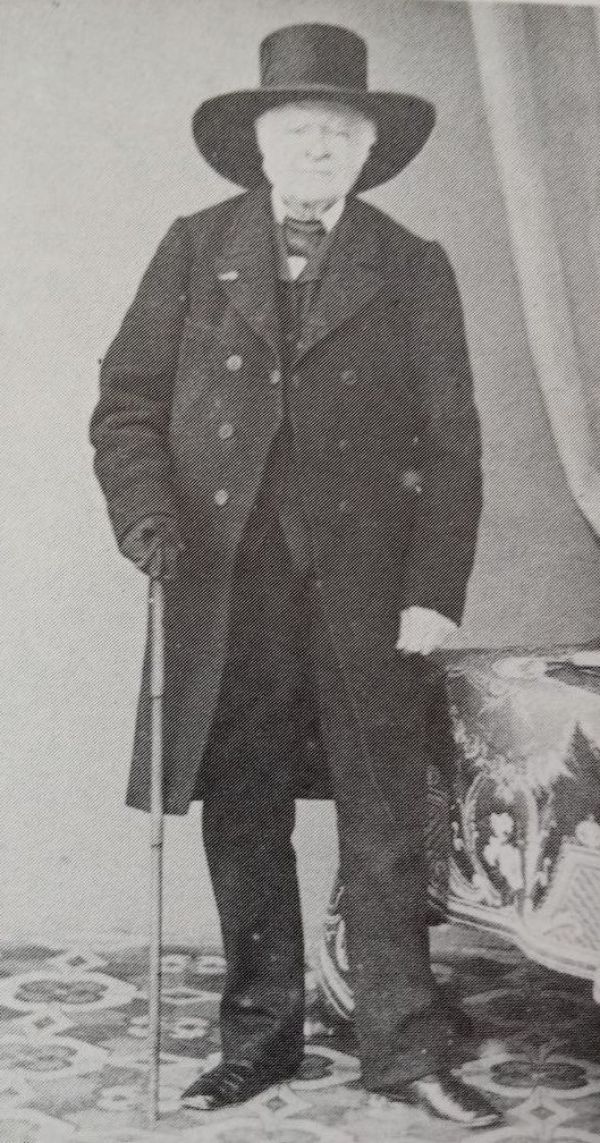
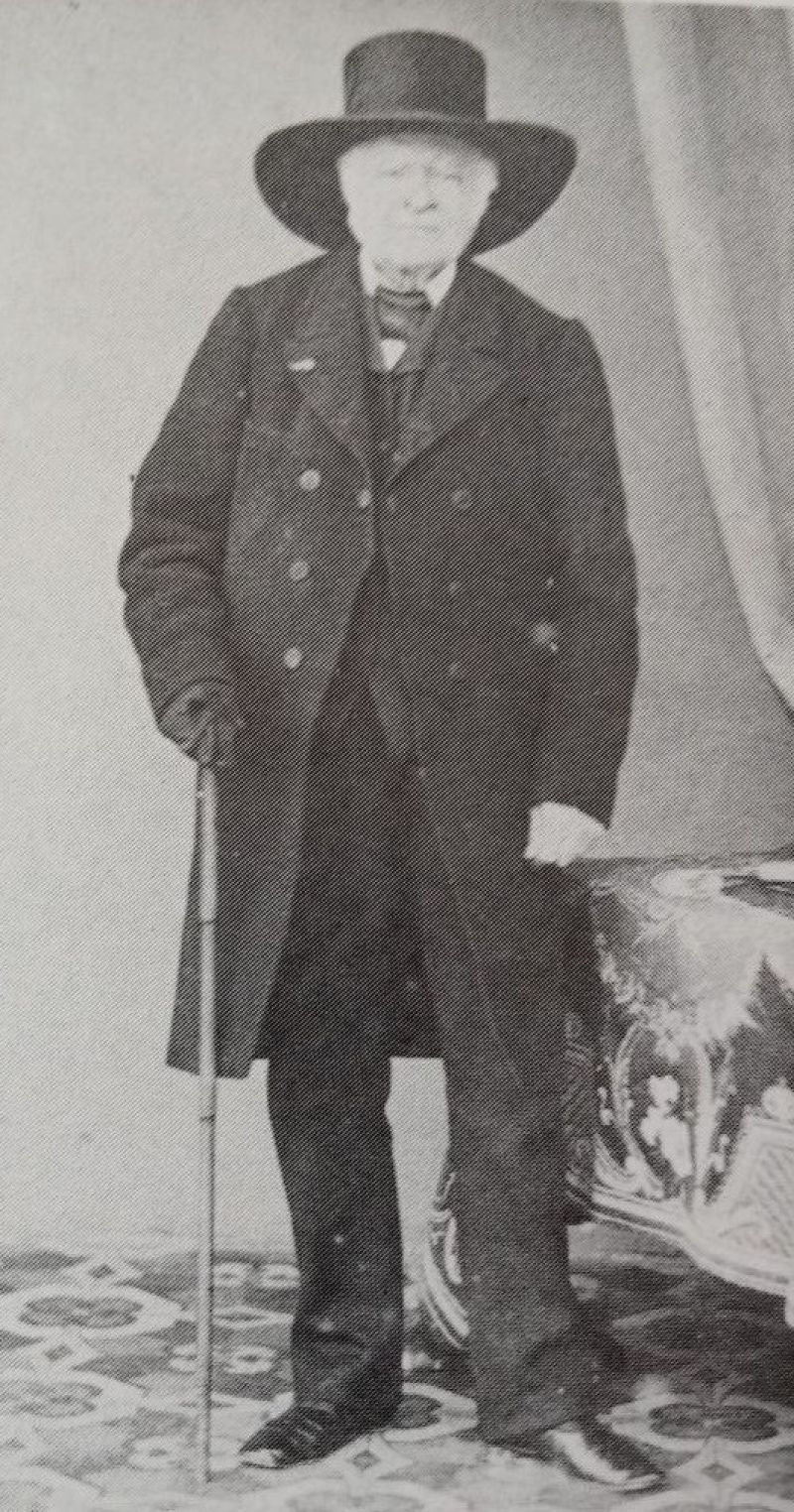
Louis-Charles-Edouard, Viscount de Lapasse.
From the Grenier de Gardenal Archives &
the Gerard Galtier Collection.
*
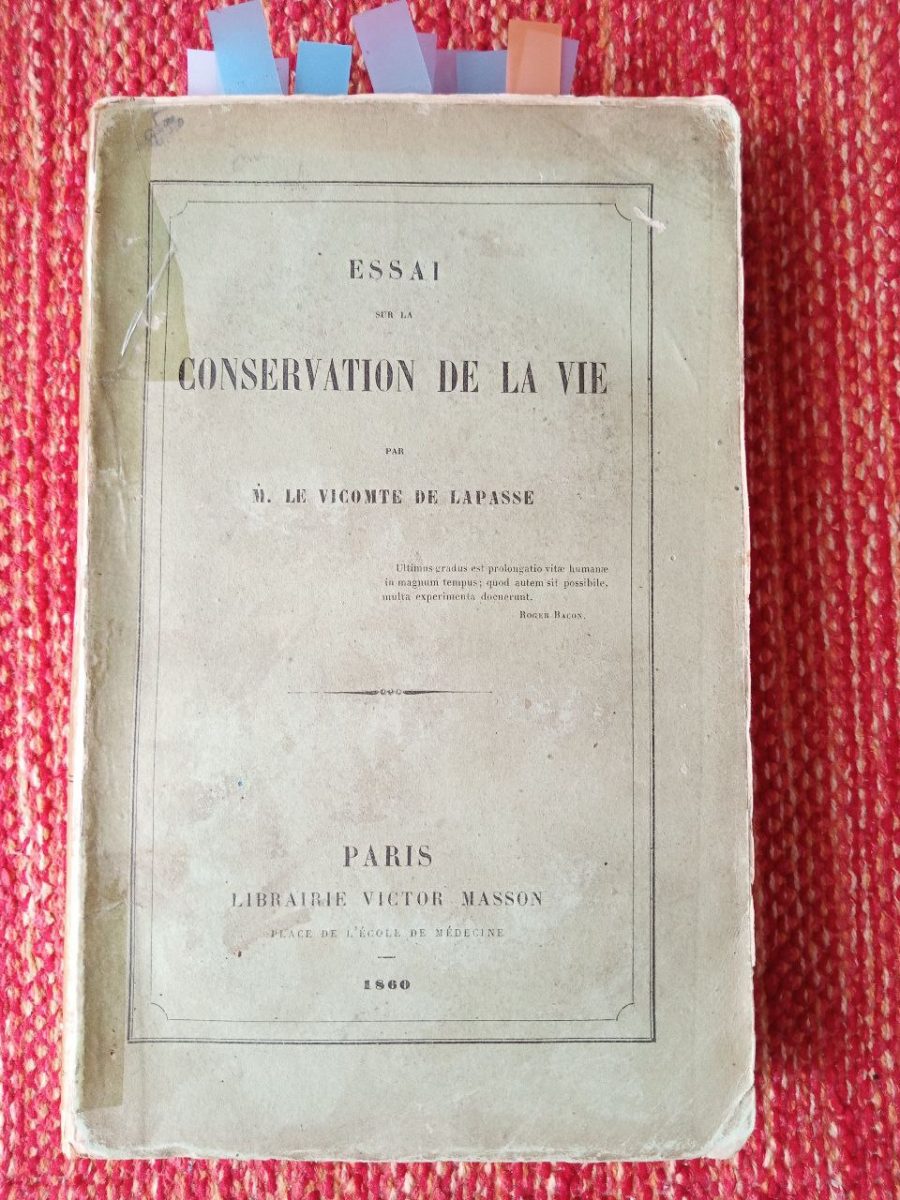
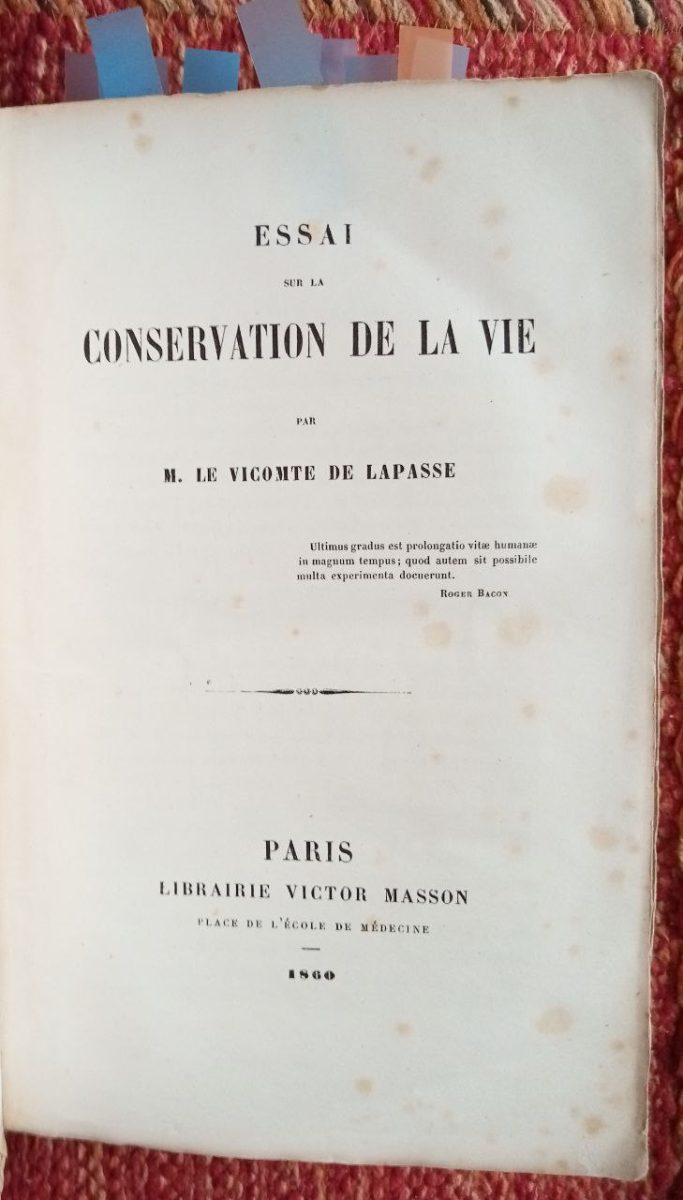
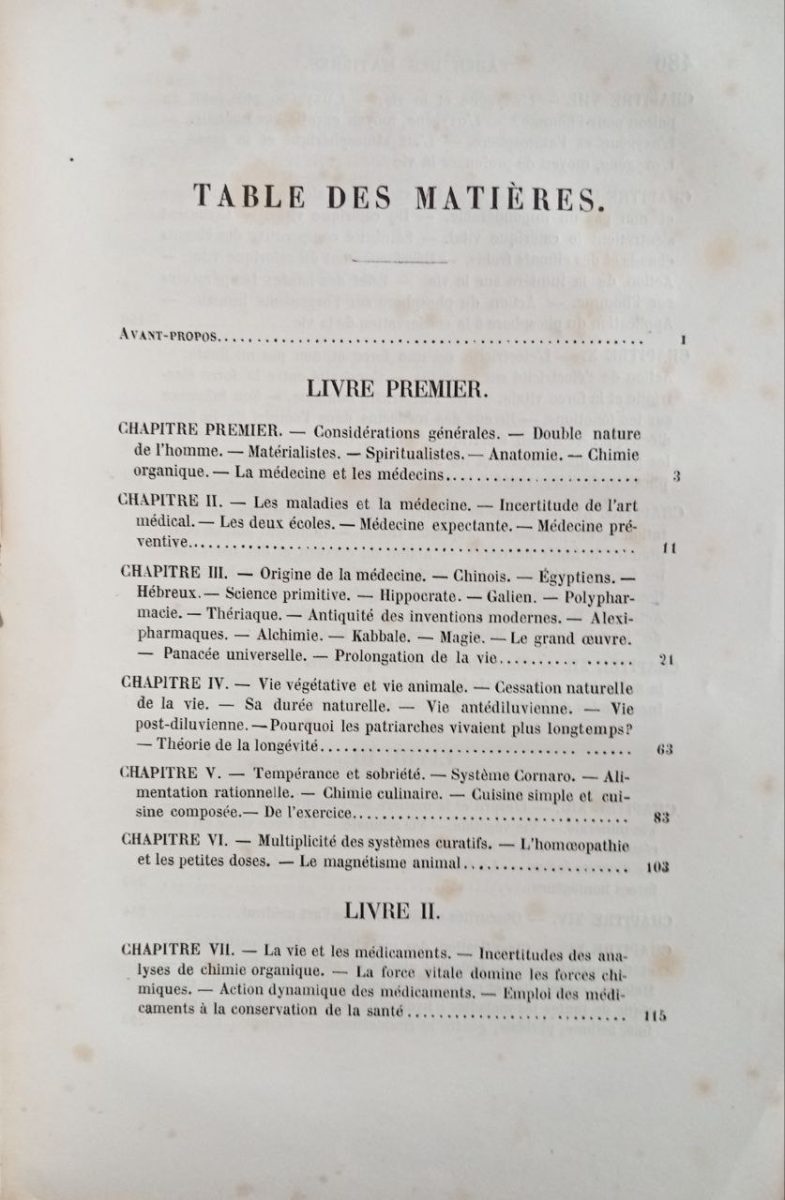
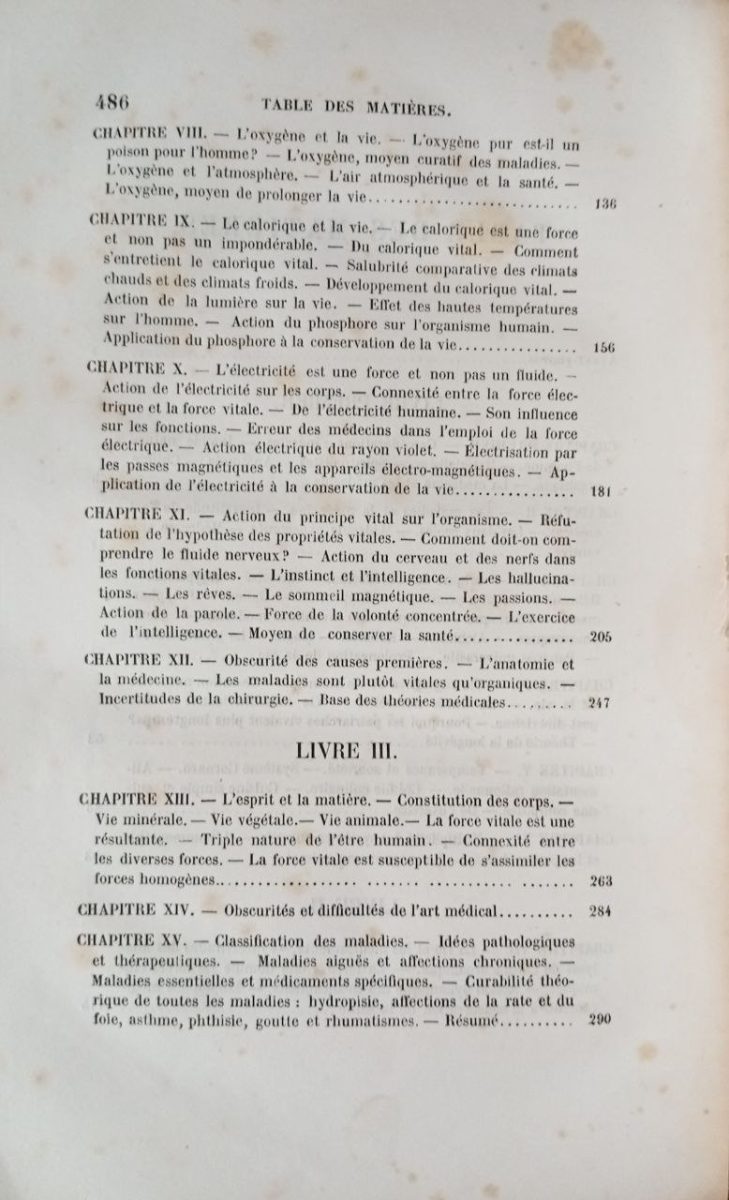
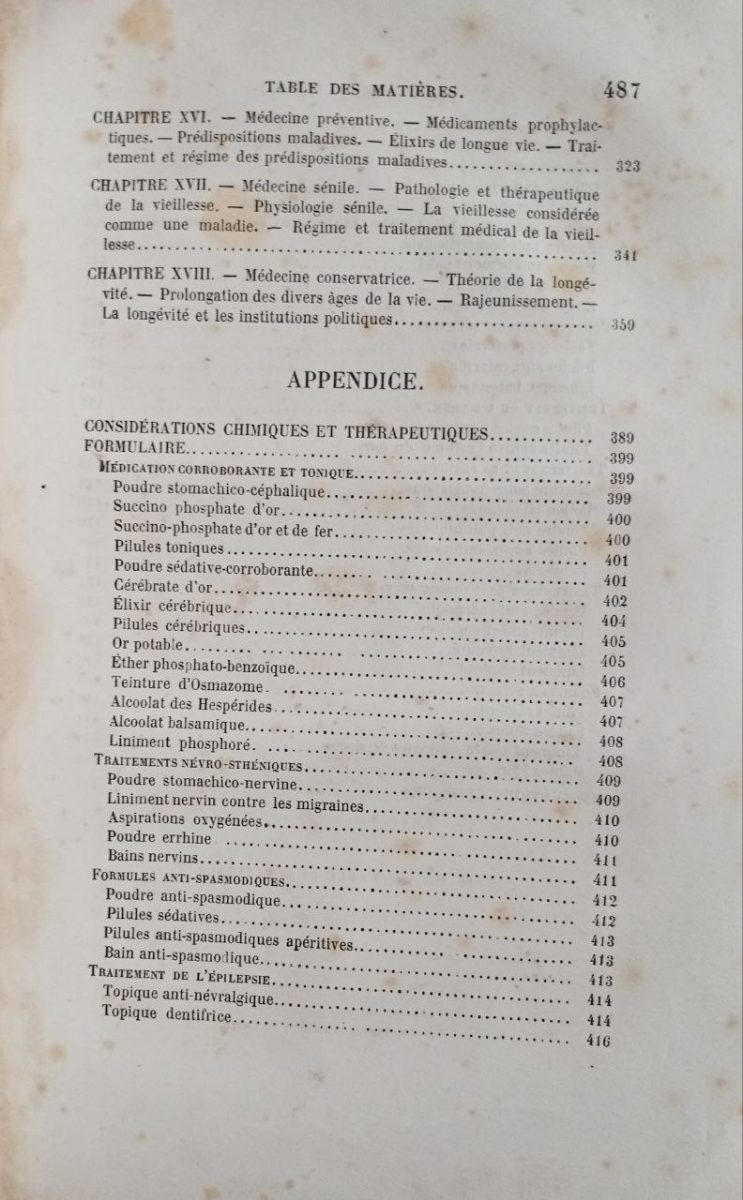
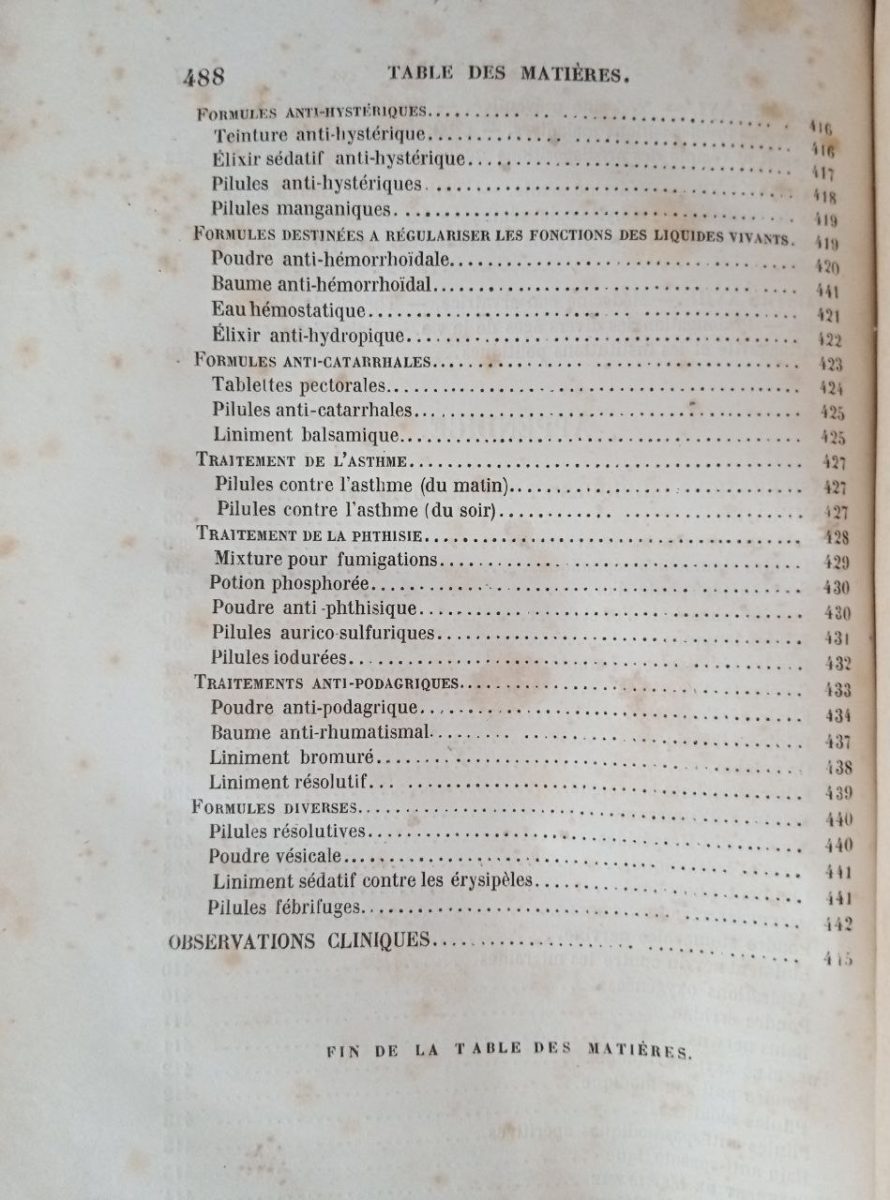
Today’s sharing from the Blue House of Via-HYGEIA is part 1 of a planned series devoted to the memory of Louis-Charles-Edouard, Viscount de Lapasse (1792-1867), based upon selections from his main treatise, the ‘De la Conservation de la Vie‘, published in 1860 by Librairie Victor Masson in Paris.
Besides a much needed contextual introduction, part 1 offers the Viscount’s intimate voice with the Foreword to his treatise, in which he reveals much of himself and of his personal philosophy. The other parts to be published later will share the fascinating historico-philoso-theorical chapters & the experimental hermetic medicine chapters as well.
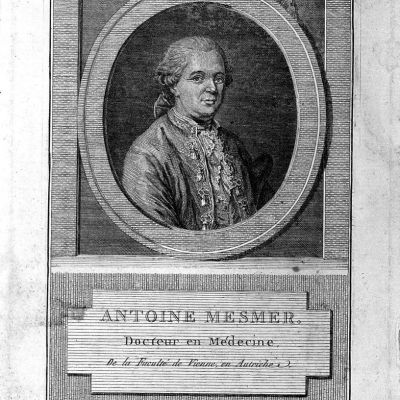
As you will discover, there is much in common between characters, such as Mesmer, Puységur, Deleuze and here Viscount de Lapasse, who all tirelessly and peacefully labored against established ideas & dogmas.
**
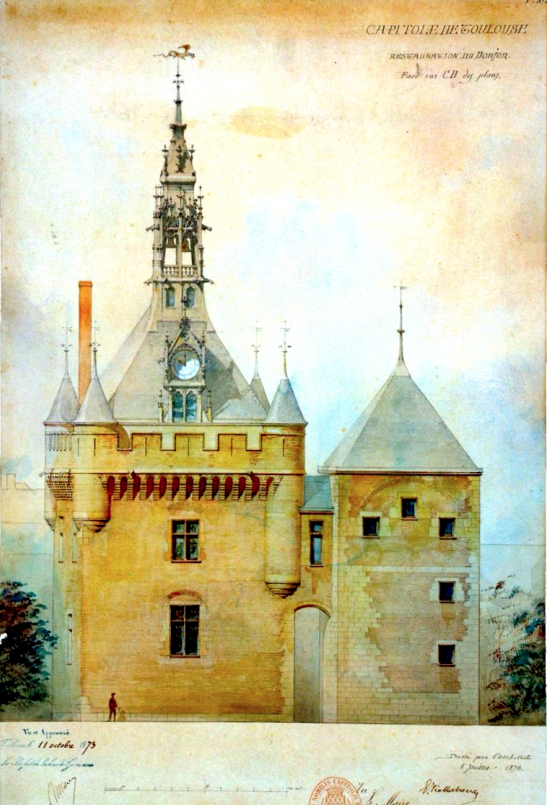
A Contextual introduction
in 3 parts:
*
Introduction Part 1
Louis-Charles-Édouard, Viscount de Lapasse (1792–1867), was a French aristocrat who had consecutive lives, each appearing providential, serving his country as a soldier, as a diplomat, and later as a doctor eager to bridge different co-existing worlds that rarely mix, such as the official science of his day and ancient esoteric traditions linked with healthcare.
Born in Toulouse into an old Spanish noble family, he first pursued law but later served as a cavalry officer and experienced war & battle. He left the army, in a major career shift, and became a diplomat. His various missions took him all around Europe, staying in London, Hanover and Bern, where is wife, Blanche de Lagarde, died in childbirth. He moved on, grieving, later to Naples and Palermo.
These travels exposed him to ancient cultures, local folklores and ambient spiritual traditions. He was in charge, for a while of excavations in Pompeii. Not far away, Salermo, famous for its ancient School of Medicine and its health principles, left a long lasting influence throughout his later medical practice. In Sicily’s Palermo, he is said to have been in contact with an ancient Hermetic current, while visiting local monasteries and noble families, whose libraries, generously opened to him, were real treasure troves of ancient esoteric treatises & manuscripts.
Eventually quitting diplomacy, after a stay in Paris where he spent time in laboratories conducting experiments on potions, balms and powders, he returned to his native Toulouse, where from the 1840’s he devoted himself solely to medicine. Practicing without charge, he became renowned as the ‘good doctor of the poor‘, or the ‘good doctor of Toulouse‘, treating epilepsy, tuberculosis, rheumatism, and other ailments from his own home, when he wasn’t all day out tirelessly visiting patients. His efforts reflected both an innate benevolence and a belief that healthcare and medicine should be accessible to all.
Alongside his medical research and apostolate he tirelessly published, in newspapers & professional journals, articles dealing with hygiene, therapeutics, philosophy, politics, agriculture, and poetry. The Viscount de Lapasse eventually presided for a time over the ‘Société Archéologique du Midi‘, and was nominated, for a term, ‘Mainteneur des Jeux Floraux‘, the municipal official in charge of the organization of the ‘Jeux Floraux’ -being a poetic academy founded at Toulouse in 1323 to revive and perpetuate the lyric poetry of the troubadours. He is mainly remembered as a devoted doctor, a practical healer and a beloved popular local figure.
*
Introduction Part 2
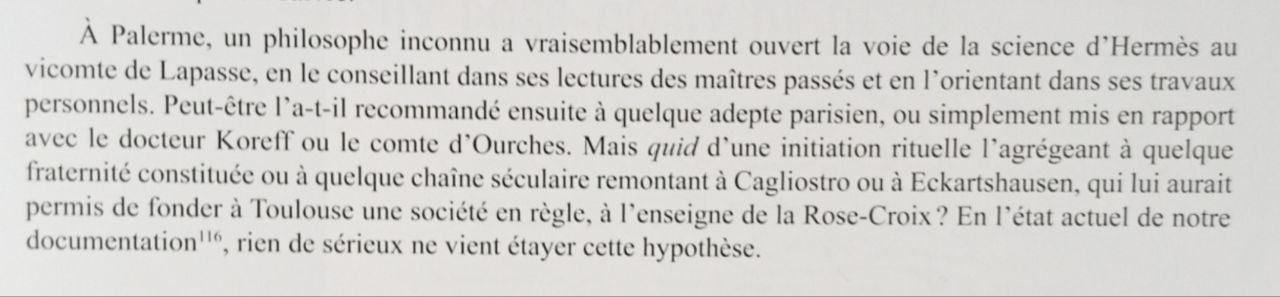
Now, this is the verifiable biography. Viscount de Lapasse is a particular ring belonging to a much wider chain of woven legends involving secret orders and hermetic lineages, making him the founder of a rosicrucian order, ‘L’Ordre de la Rose +Croix de Toulouse’, from which many modern rosicrucian orders anxiously claim their legitimacy. In the latest scholarly research on this subject and coinciding with the re-edition of his ‘Les Sars de la Rose+Croix‘ (Editions de la Tarente, 2022), Serge Caillet says page 71:
‘In Palermo, an unknown philosopher, most certainly opened de Lapasse in the understanding of the science of Hermes, advising him in his readings of the masters of the past, and in guiding him in his personal research. Perhaps did he also recommended him to some Parisian adept, or simply connecting him with doctor Koreff, or the Count d’Ourches. But, ‘quid‘ of a ritual initiation granted by some fraternities, or by some ancient lineage leading way back to Cagliostro, or to Eckartshausen, which would have enabled him to found in Toulouse a proper initiatic society, with a specific rosicrucian patronage? In the actual status of our documentation, nothing serious has come to vindicate this hypothesis’.
*
Introduction Part 3
But (or should we say, nevertheless?), the Viscount de Lapasse was a devoted Christian, a well travelled and learned individual, who had read a lot and was aware of the core tenets of the esoteric Tradition, let it be hermetic or rosicrucian. Do we not have in the Gospel, in Mark 16: 15-18, this injunction made by Jesus?
‘15. Go into all the world and preach the gospel to all creation. 16. Whoever believes and is baptized will be saved, but whoever does not believe will be condemned. 17. And these signs will accompany those who believe: In my name they will drive out demons; they will speak in new tongues; 18. they will pick up snakes with their hands; and when they drink deadly poison, it will not hurt them at all; they will place their hands on sick people, and they will get well’.
We can quote more: in the Gospel: Luke 4:40, Luke 13:13, Matthew 9:18 – Mark 5:23 – Luke 8:54, Mark 6:5, Mark 7:32–35. In the Act of the Apostle: Acts 9:17–18, Acts 28:8, Acts 8:17–18. In the Apostolic Instruction: James 5:14–15, 1 Corinthians 12:9, 28–30. Etc. So, it is easy to understand where the Viscount de Lapasse drew his inspiration.
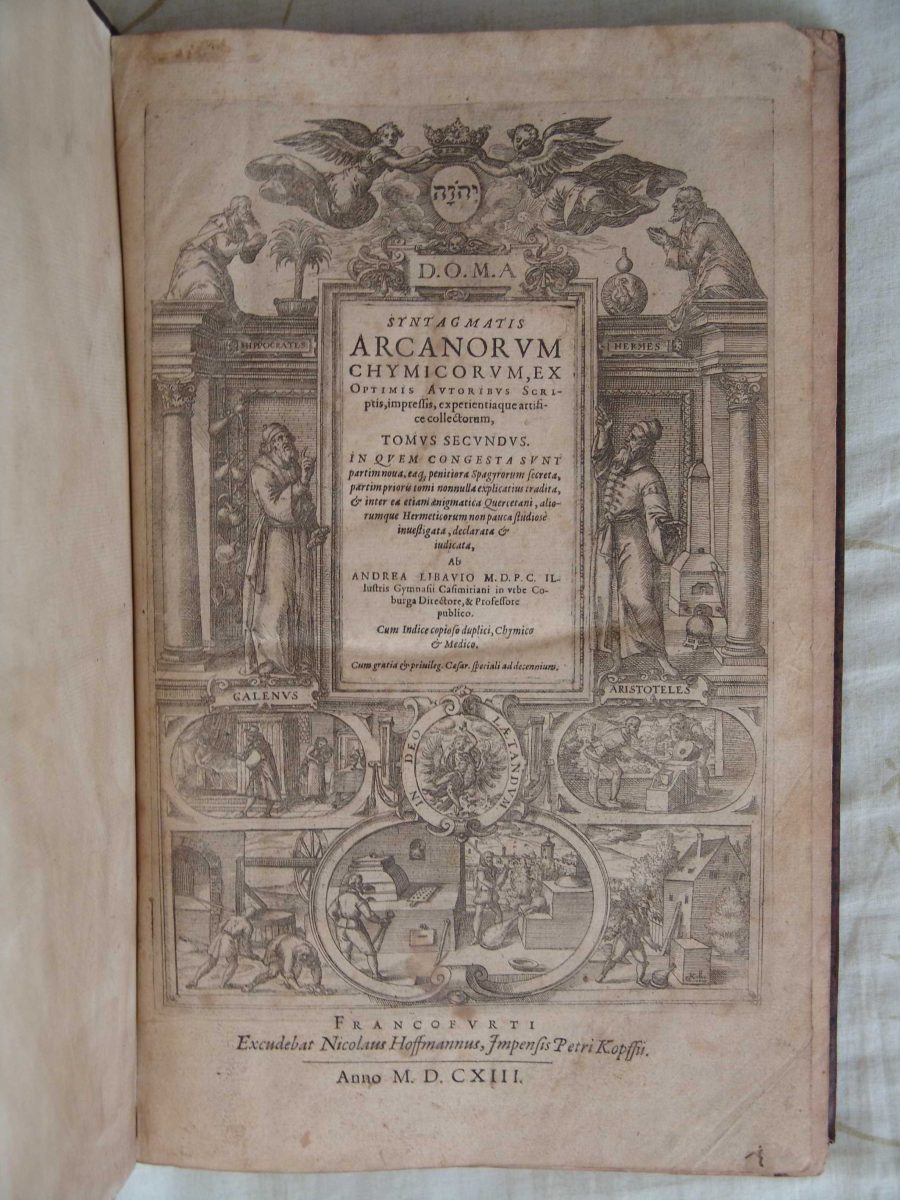
Because, the Viscount was very much aware of the hermetic and the specifically rosicrucian literature, he must have been familiar with the rosicrucian manifestos, the ‘Fama Fraternitatis‘ & The ‘Confessio‘. In which, alongside with their detailed universal reformation views, we learn about the duties of the members of this invisible brotherhood:
1. The duty to heal the sick (without reward), 2. The duty to seek and preserve divine, natural, and philosophical knowledge, 3. The duty to reform the ‘Arts & Sciences’, 4. The duty to act in secrecy and anonymity, 5. The duty of spiritual Transformation (the alchemical journey), 6. The duty to serve as a ‘hidden college‘.
We can see from that list, is that the Viscount’s life does check with all 6 requisites the elusive brotherhood has bound its members with. If we understand those prerogatives, they can only mean to live a life of devotion & service. The Viscount was someone like that: A Proper Human Being.
To conclude, Luke 6:43-45 tells us: ‘43. For a good tree does not bear bad fruit, nor does a bad tree bear good fruit. 44. For every tree is known by its own fruit. For men do not gather figs from thorns, nor do they gather grapes from a bramble bush. 45. A good man out of the good treasure of his heart brings forth good; and an evil man out of the evil of his heart brings forth evil. For out of the abundance of the heart his mouth speaks‘. And Matthew 11:15: ‘Who has ears, let him hear…‘
*
*
*
Selections from
‘De La Conservation de la Vie’ (1860):
Part 1- The Foreword
This book received, a few years ago, the beginning of a public acknowledgment. The author convinced, by long meditations and by countless experiences, of the possibility to prevent, or attenuate most of the infirmities of age and to prolong human life way beyond the term usually assigned to it, had summed up his theories in a manuscript published into only a few hundred copies in 1845. This booklet was intended for faculties and academies, the main European libraries, for a great number of scientists and doctors, finally for all those who could appreciate its proposed theory, and to submit its fate to the severe control of scientific criticism and experience.
Some of the leading figures in science received this first try with a benevolent indulgence; zeal and the conscience of the labor given helped as excuses in front of the blatant imperfections of the work and the author was duly encouraged to complete his research. It was in deed difficult to help him otherwise than with advice and criticism. The path in which he had entered, and in which it would have been better for him to find like-minded companions to journey with, was arduous, and paved with trials diametrically opposed to the methods used by modern science.
Nowadays, we proceed mainly through an analytical manner; we make experiments, and upon these experiments we build theories. But the aim the author was seeking to reach cannot be approached, but through synthesis. One had to create these syntheses through induction and leaning upon the law of analogies. The experience, though indispensable, could only serve in the studies of such nature to demonstrate the exactitude or the falsity of theories. Finally, in order to know what is real in the hopes of the adepts who longed after the elixir of long life and the universal panacea, one had to dive deep into this old medicine, in what it had most mysterious and bizarre. Such a study is arduous, as I said earlier, and ungrateful, as it exposed myself to the danger of discredit & ridicule, and any success may not lead to these crystalized positive results-which are perhaps nowadays too much in fashion.
The author therefore has pursued his studies, without other help than a firm conviction and an inextinguishable perseverance. He travelled throughout Europe seeking, in the dust of libraries, the most forgotten books, the most obscure manuscripts, in order to try to penetrate their meaning. Fortunately, the more he was progressing in this laborious path, the more he was supported by the hope to achieve how to demonstrate these useful truths; the clouds scattered, the horizon grew bigger in front of him: He was foreseeing a part of the secret of life.
This life, which is a force, is homogeneous to the forces of the same nature which preside and rule over terrestrial matters, and of which our Intelligence can, upon a certain limit, direct the action; consequently, Man can assimilate these forces, and hence repairing the losses of his vitality, and be able to prolongate his existence here on Earth, until the term that was assigned to him by the Sovereign Master of the Worlds; a term possibly more remote than what we usually imagine.
This having been duly established, all that remained was to indicate means of application; a work of patience in which the theories of the alchemists could be put into good use, thanks to the simpler and prompt processes of modern laboratories. Even though the elixirs, balms & powders promoted by this theory would not possess all the desired efficiency, the author only needed to demonstrate their possibility and to open the road for further research; whether it would have been him or someone else, to reach success, mattered less. But, arrived at this period of his labors, he saw rising in front of him an huge problem.
The proposed theory aimed to foster, as a consequence, the prolongation of life by restoring health and by preventing old age’s infirmities; but if this theory could only be applied to a person who is perfectly healthy, the benefit would be, so to say, illusory. And finally, all the doctors were authorized to strongly object to these healing remedies advised as prevention against infirmities of old age. These infirmities are true diseases; the therapeutical means that do prevent them or even make them disappear, must be specifics that can cure all ailments of a same nature at every stages of life, or they are but illusion.
The dilemma here delineated directly led to the question of incurable diseases; this question was loyally accepted in its full length. The problem to solve needs to be presented in this manner: are there truly any diseases for which scientific principles allow us to definitively state that they are incurable? And what if the theory demonstrate that all the diseases can be healed, how does the medical art handle this, in order to allocate a specific medication to each essential disease?
From there resulted a new level of research & labor that lasted ten full years. Having reached the age when rest becomes a need, the person who writes these lines had to handle in turn with his sixty-years old fingers, the scalpel used for dissections, the bandages for dressings, and the mortar used in pharmacy; schoolboy with white hair, he came to sit on the benches of schools; and in the hospitals, he asked the secret of healing to the painful gathering of human infirmities.
Finally, these agonizing studies were granted with their reward; praises be to the divine Master, who said: ‘Seek and you will find‘ (Matthew 7, 7) and to God who duly blessed these labors!
A great number of sick people, plagued with terrible illnesses ‘deemed incurable‘, were healed; others noticeably relieved; and clinical experiences, followed many long years, have demonstrated the specificity of the proposed treatments for the healing of most of these diseases, blindly cursed by the death warrant of official science.
All of these formulas, experience has demonstrated the efficiency, are today gathered and made available, published without any objections or reservations; all of them are backed with a plethora of clinical observations.
The task is up to the doctors now to criticize the theory, but especially to apply these treatments. The efficiency of a medicine is only truly acquired by science, when it has been tried by a great number of doctors, in various localities, and during long years of trials. The publication of this book has- as its main aim– to reach upon this result.
The reader will find in it, Cagliostro’s elixirs and many other longevity remedies, and a few new means to produce the mysterious magnetic somnambulistic phenomenon. But he will essentially find the clear & obvious demonstration of the connectivity of the forces that rule the movement of the things composing our world, with the force that preside to the diverse reported phenomenon of the terrestrial existence of the King of this globe. (A Via-Hygeia note: de Lapasse may here allude to Jesus and to his healings).
In placing oneself in this optic, proper medicine is only, but a chapter in the science of life; and this science not only embrace the study of forces that allow the remote individuals to live, but also it must extend to the human aggregations. Humanity in its movements, in appearance un-orderly, is submitted to laws, like the volcanos, the vastness of the seas, the plants blossoming and fructifying with punctual regularity, and these countless animal races that share the sparkles of the great torch of life. We ought to study these laws, whether we want to cure mankind or rule nations; and the more we will deepen our understanding of these laws, the more we will discover mysterious connections between the causes that preside to the movement of terrestrial things.
Great and small phenomenon, are always the result of a force. They are forces of expansion that have lifted the gigantic peaks of our mountains, when their hard granite pierced the softest crust of the layers that have opened to let them free. Yet, the majestic summits now are collapsing under the action of chemical forces that, gradually, pulverize the stone and throw it rolling as sand towards remote plains. Hurricanes are produced, we nowadays know, by an electrical force. It is also moving forces that unleash the terrible human storms we call revolutions; it is the totality of the same forces, combining their actions in a beneficial harmony, that provide the elements a great people is composed of and which do lead to constitute regular governments.
Perhaps, one day, the old diplomat, who is now presenting himself with this book to the main public, will try to generalize these relationships between forces in dealing with a new subject: The physiology of nations. But, in the present volume, we deal with Man as an individual, with his life, his health and about the means to recover the former with the later. Here, again, it is the study of forces. A great scientist from Montpellier has said:
‘We make us live, as what makes us die, are forces. A morbid cause is always the result of a force: it is a force, a breath that creates us, maintain us & kills us.’ (A Via-Hygeia note: the famous Spanish physician, homeopath and epidemiologist Benigno Risueño de Amador (1802-1849) wrote ‘Monography upon imperceptible agents‘ while posted in Montpellier in 1831).
But, human intelligence also possesses a force called will; and when this will become collective, it augments its power. And this is how, each of us, through the help of one’s intelligent will, is able to contribute to the good steering of the forces that preside to the vitality of the community. A thought will stay infertile as long as it is restrained to the realm of the person who has conceived it. It can only receive useful applications after it has become the thought of a great number of people.
So, this is why this book-especially intended to doctors-is also recommended to the serious attention of all the people of intelligence & study. The interest lies in its very subject: to know whether or not it is possible to prolong human life in developing the energy of bodily functions and maintaining their balance, which constitute health.
The importance of the problem, the novelty of some of the question that it tackles, will perhaps allow the imperfections of this work to be forgotten. In such matters, it is not about erudition, but to present to the general public useful ideas that can be put into practical application. In the hope to be read by others than professional scientists, the author has endeavored to be clear and to express his ideas directly and without ambiguity.
To conclude, some ideas and a few systems generally adopted by science are under attack in the pages of this book. It goes without saying that controversies are not of a personal nature for the great scientists that have defended these doctrines. The author is honored by the friendship of some of these luminaries, and has nothing but admiration & respect for them.
In the following pages, the author has developed certain ideas about the Soul in order to delineate his subject; he believes that they are rather orthodox, but, if, against his will, some expressions happen to be not in line with the Catholic Doctrine, he will disavow them immediately.
Toulouse, December 1859.
*
Source
*
*
*
*
*
Coming Soon
A Little Louis-Charles-Edouard, Viscount of Lapasse Sampler:
Selections from ‘De La Conservation de la Vie‘ (1860) – Part 2 –
‘The Triple Constitution of the Human Being‘ (Chapter XIII).
***
Related Articles

Leave a Reply