
Circle of Transmission: The Living Loom
A Little Étienne Perrot Sampler: Part 4- The Key to Alchemical Symbolism

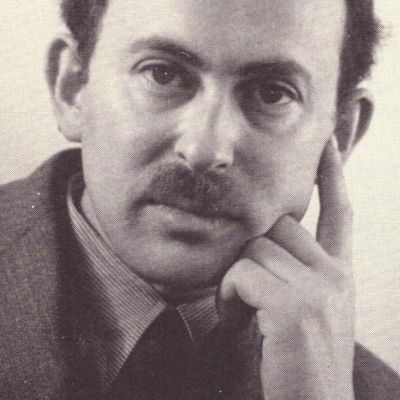
Étienne Perrot, picture page 84 of the special edition
of ‘Le Monde Inconnu’, dedicated to Alchemy.
October 20, 1978 issue.
*
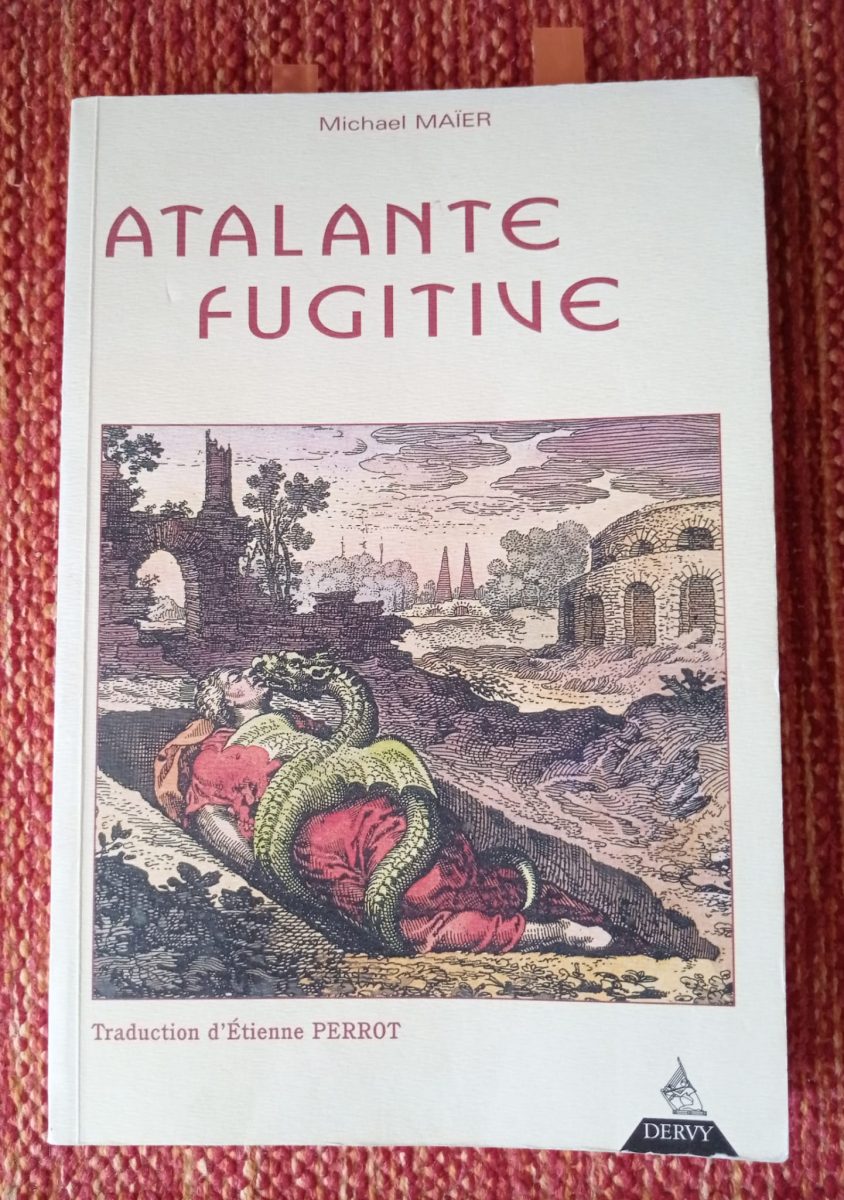
Today’s sharing from the Blue House of Via-HYGEIA-is Part 4 of our sampler series dedicated to the memory of Étienne Perrot-the French Jungian psychologist and influential dream interpreter: ‘The Key to Alchemical Symbolism‘, excerpted from the foreword to his French translation of Michael Maier’s ‘Atalanta Fugiens‘ published in 1969 by Editions Librairie de Médicis and here in the second edition issued by Editions Dervy in 1997. From page 19 to 23. A Via-HYGEIA English translation from the original French.
**
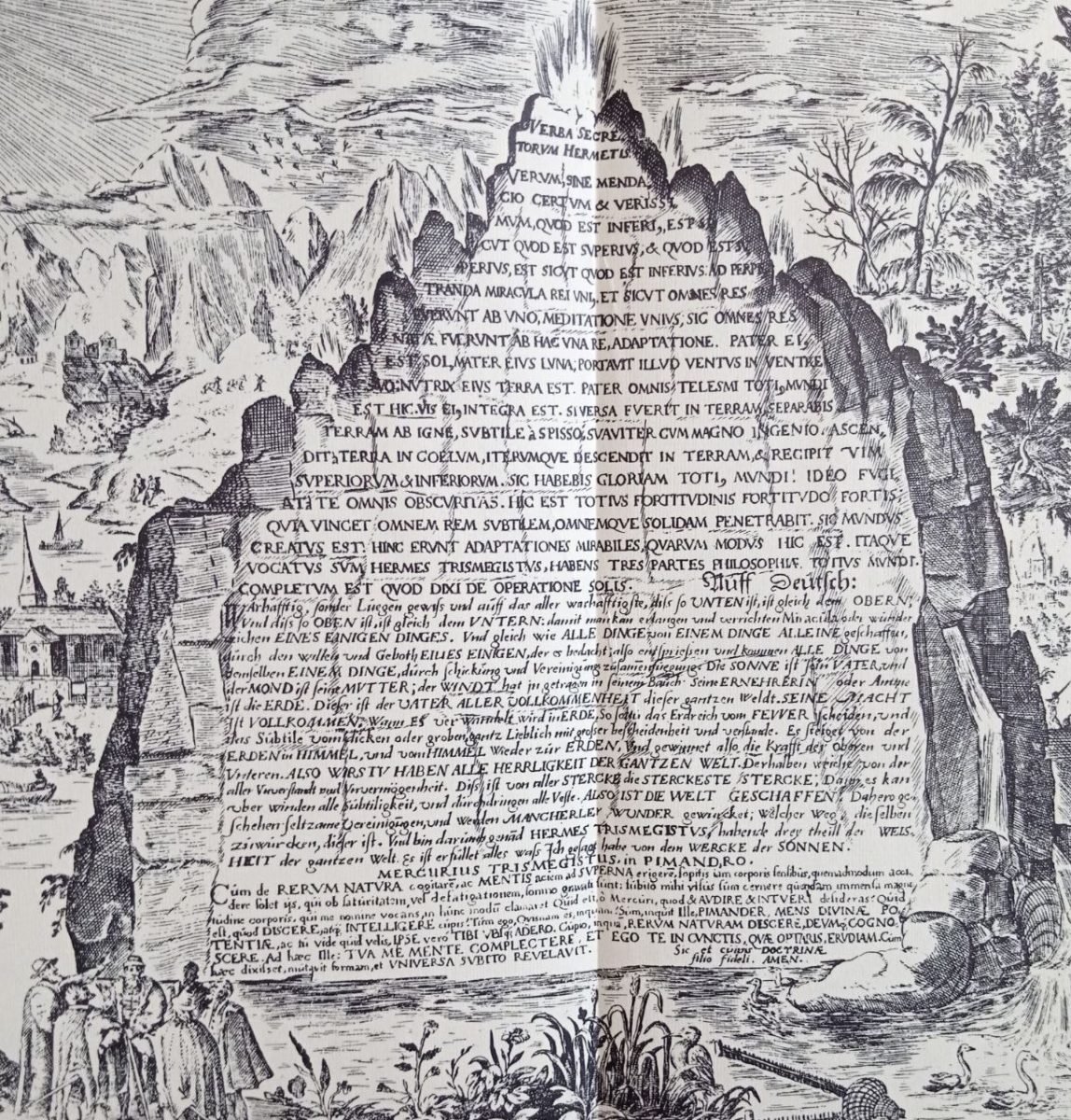
The Key to Alchemical
Symbolism
While true poets are practicing alchemy without knowing they are, it is a fellow countryman of Paracelsus, a physician, who is credited for restoring the Mother of the wise to its rightful place in society. One of the leading scholars of our time, Carl Gustav Jung had the truly great intuition that there was embedded within alchemical manuscripts a mysterious art, for us to seek its KEY.
This very key was to be found it close to him, in him, exactly as the books have promised. It was given to him through his patients who, corroborating his own experiences, brought him a load of visions and enigmas-very similar to the ones the alchemical authors were fond of.
He felt in him, and in others, that this succession of images was not unfolding randomly and incoherently, but behaved according to an order known to itself, closer to the spiral than to the straight line, leaning towards those effects nature follows obscurely and obstinately, in every order; a production as much appeasing than free, and bearing the mark of certitude and necessity that characterizes in our own eyes, a diamond or a flower.
The Great Work, such as we could recognize it, under the amplifications and masks of all sorts, was revealing many similar features found in the mysterious process Jung was following with his visitors. (See ‘Psychology and Alchemy‘, 1952). Is that something to be surprised about? Because Alchemy is eager to express the laws ruling all levels of the harmonious nature, was it then not logical to put to a trial this reading framework by applying first to the very being who is, preeminently, the enigma & wonder of the universe? The human person.
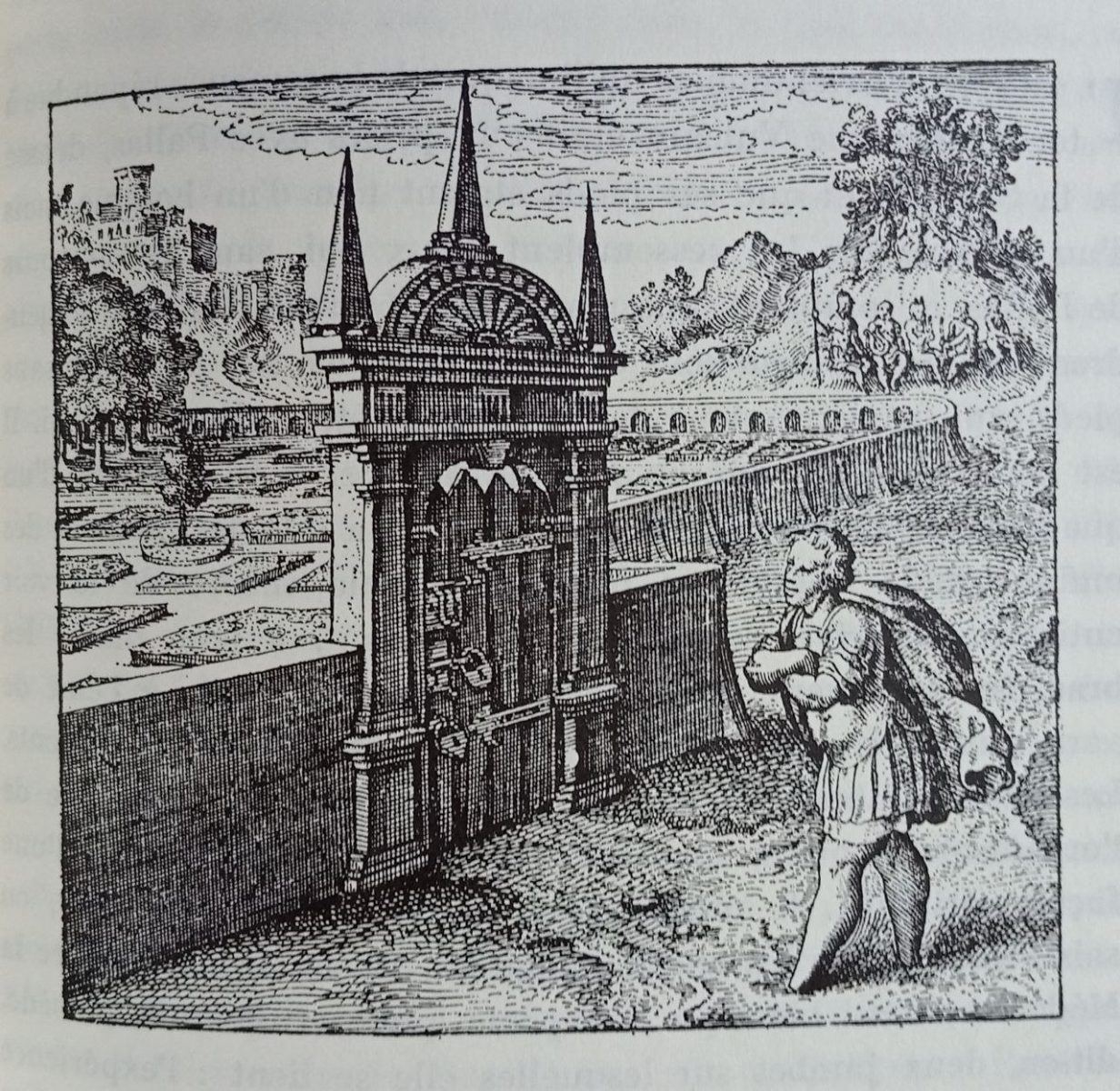
Even though the door of the garden of the wise has strong locks, which have always made access difficult, the confusion and the obscurity is so great, in the times we are now living in, that we do not even suspect its very existence. A succession of events were needed, scattered among a few years, guiding Jung towards the ‘Perduta Strada‘, the disregarded road of the alchemical kingdom, over-runed by thorns and weeds.
Dreams have played a leading role in this endeavor. Alike a Socrates hushed by a dream to study music, our doctor-philosopher has started as early as 1925 to feel engaged by nocturnal voices, as he would later understand, whom have invited him to study the mystery of alchemy. This modern knight of the Holy Graal wasn’t engaging in his first adventure. Obediently, not without any reservations though, he accepted to provide another stick for him to be beaten with by all those slandering his work, and to engage into a new endeavor he struggled to understand the interest. First, he started to gather all the books dealing with the golden Art and to examine them in the manner of someone deciphering an unknown language that does not exist yet in the available lexicons.
Yet, it is in the contact with his patients, alongside psychosis and neurosis, that Jung had acquired without being aware of it his first empirical notions of hermeticism. And later, with a quiet confidence, he could relate to these very principles of the old Masters the symptoms and unfolded analytic material in the therapy of his patients. It is quite normal that some have voiced their skepticism and aversion at the view of the sources in which the former friend of Doctor Freud thought to identify the pristine waters of Knowledge. Without doubt, those self-proclaimed gatekeepers, enshrouded in their dignity, credentials & virtuous indignation, are not having any of it, and certainly not the promiscuity with the disabled and the sinners; but, by doing so, they ought to know that they were reducing their chances to ‘meet with the Stone‘. (See Luc, V,32 and Luc XVIII, 9-14).
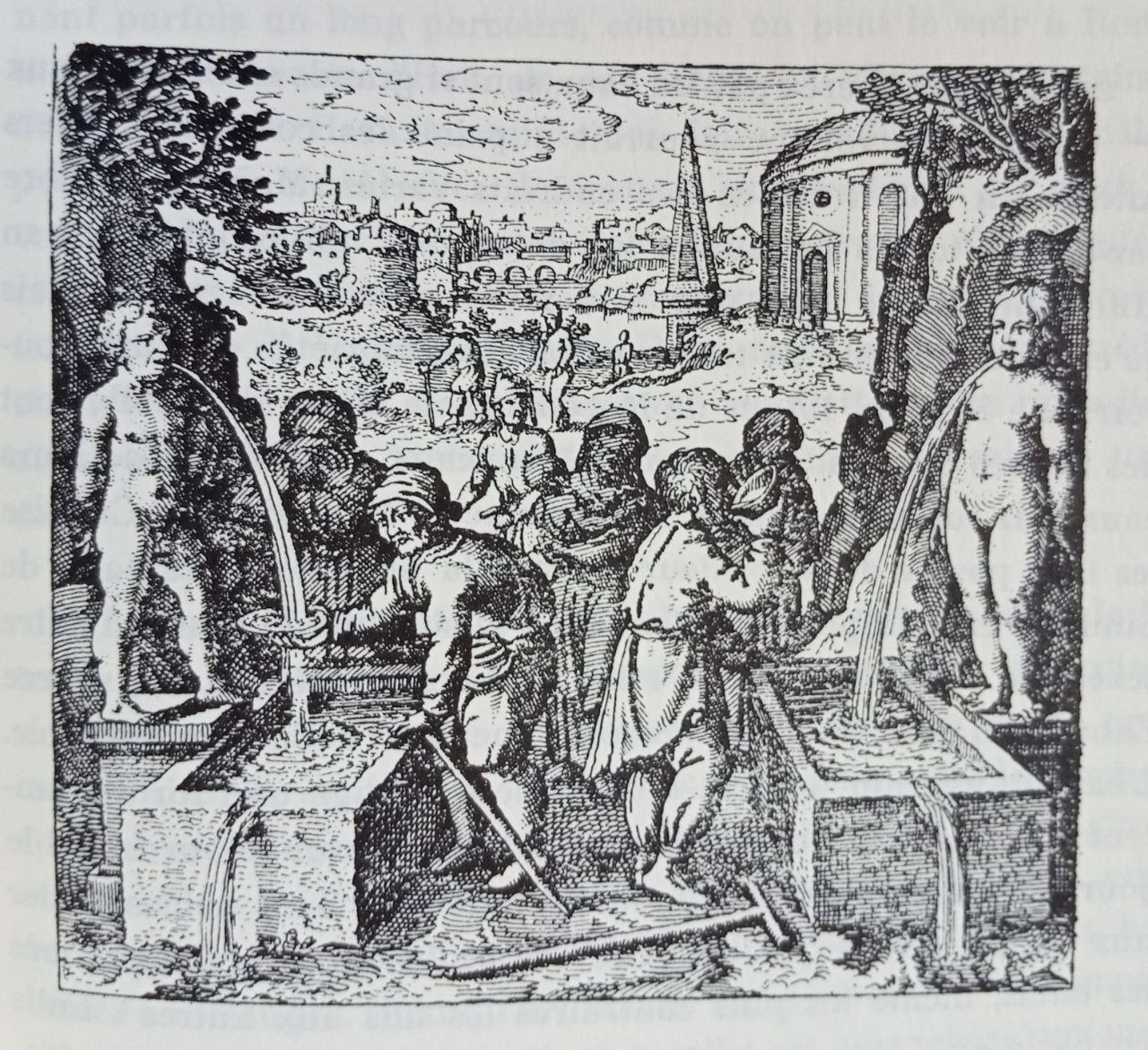
The choir of the philosophers is here to testify: the hermetic jewel is also the most vile thing in the world and the deposits where to find them are everywhere: ‘In piles of manure, latrines and sewers‘. (see Discourse XLIII). Finally, we all ought to remember that Wisdom is like an ‘insane Mother‘ whose image of the Gorgon, Pallas Athene adorns her chaste chest.
Frederic Nietzsche, the herald of the coming good. who was one of the witnesses alongside Jung’s journey, was more true to truth than the above mentioned delicate howling owls. His ‘Zarathoustra‘ had barely discovered the secret of joy and the total intoxication of living, he already could feel and accept decline, and relinquish the miraculous summer to expose himself to the nakedness of winter. He had felt, despite the limits of his vocabulary, that the creature to be born was less super-human (Uebermensch) than Primordial (Urmensch), the focal point where gather ‘what is above‘ & ‘what is below‘. This is why our Hero during his climatic moment proclaimed that we ought not to despise ‘the bottom of the world‘ (corresponding to the shadow of the sun), and accept mud for what it is, in order to find the sources.
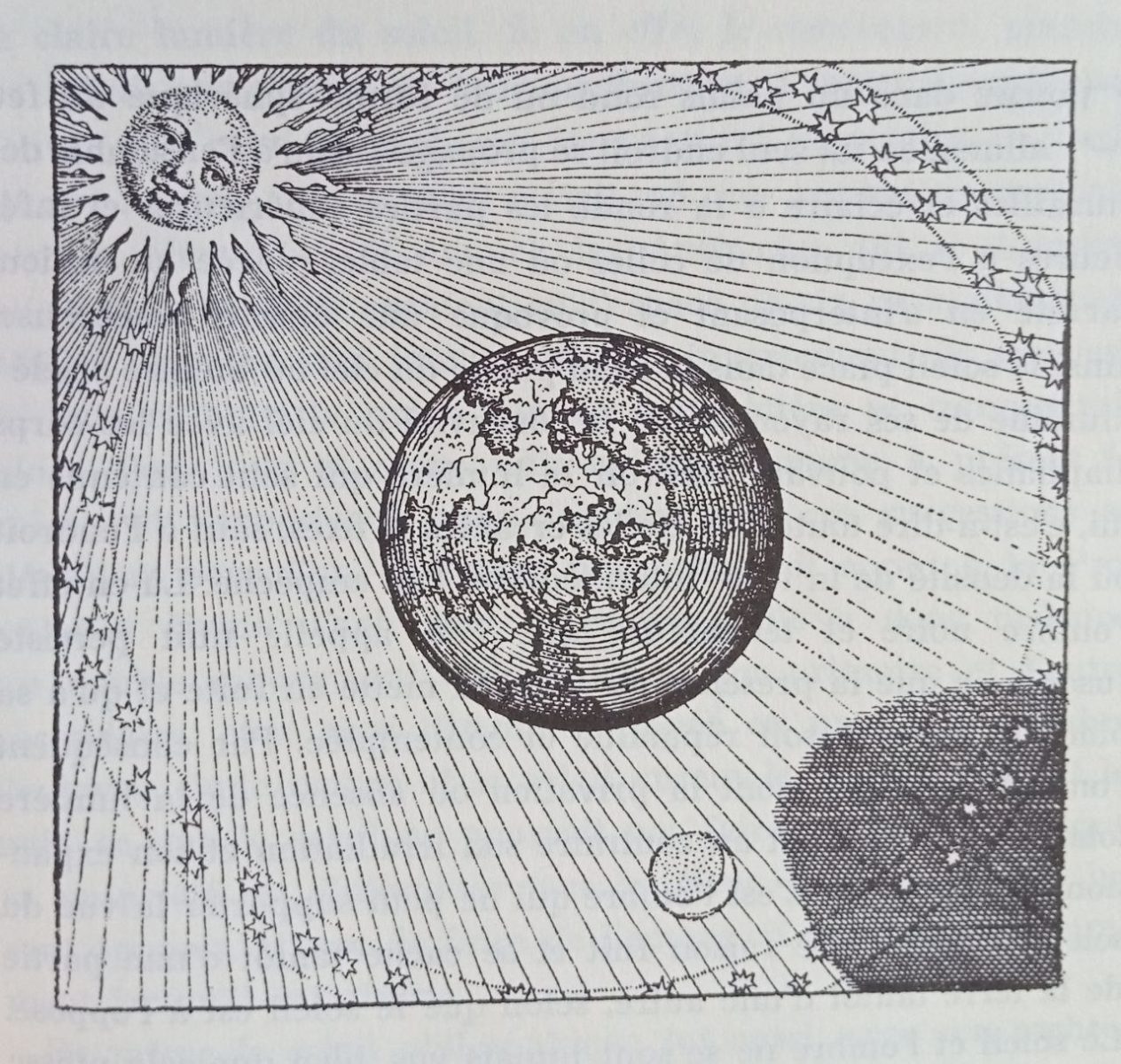
One of our ancient philosophers would have said ‘that having seen the color red too early, he understood that he had to go back from his steps, or rather follow the movement of the wheel and bend himself under the yoke of the color black‘.
The disease that soon will have our herald of the Primordial Man, the insane who will soon sign ‘Dionysus-the-crucified‘, came to demonstrate how much Frederic Nietzsche was an authentic adventurer of the soul. We ought to salute here the elder, greater in his fall than during his exaltation. His visible failure is, and we know this, a veil bent in front of his secret triumph, because-even though her embrace is lethal, Eternity never fails her audacious lovers: ‘Because I love you, O Eternity!‘ (‘Zarathustra‘, ‘The seven seals’, or the ‘Song of yes & amen‘).
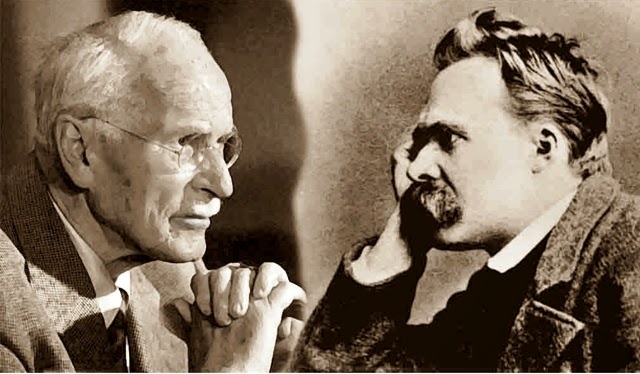
When the books gathered by Jung from his solitary journey will be published in the French Language (A Via-Hygeia note: Let’s remember this text was written in 1965), we will be able to measure the value of the tool the Western Man has been gifted with, for him to claim his legitimate inheritance. Nevertheless, besides all of the admiration we have for the brilliant master of Küsnacht, it is also our duty to remind everybody that no book written outside of the Temple-even written in the pronaos or narthex-would dispense us of the direct contact with the mentioned old books, written by the ancient philosophers for the ‘Children of the Teaching‘, or ‘Filiis doctrinae‘.
What we have said about the hermetic language helps to understand this: each symbol translated in a certain way the whole universe. To explain, is to limit it and to impoverish it. We can go even further: left too long exposed in the daylight, it fades away alike the fish dying outside its element. Here, a quotation from Wolfgang von Goethe is timely: ‘To know in daylight is child play, the mysteries are at home in the darkness‘. (‘Faust‘, second part, verses 5030-5031).
The most relevant commentary of a parable or of an image can only prepare us to the only vivifying operation: the contemplation without discursive mediators of the act in which Being offers itself and opens to the magic of these voices. The thickest shadowy areas, by the abdication they impose to our clear reason, place us in communication, in a particularly narrow manner, with Darkness-in which Light has its home. The French Philosopher, Pascal, knew this very well when he was justifying the obscurities encountered while reading the Scriptures: ‘Asia does not have the monopoly of the Koan!’
The alchemical vocabulary constitute the only adequate language for who seeks the Stone, the Powder & the Elixir.
*
Source
Coming soon:
A Little Etienne Perrot Sampler-Part 5:
‘Clarification upon the Alchemical Path‘ (1964)
***


Related Articles

Leave a Reply