
A Rosary of Roses
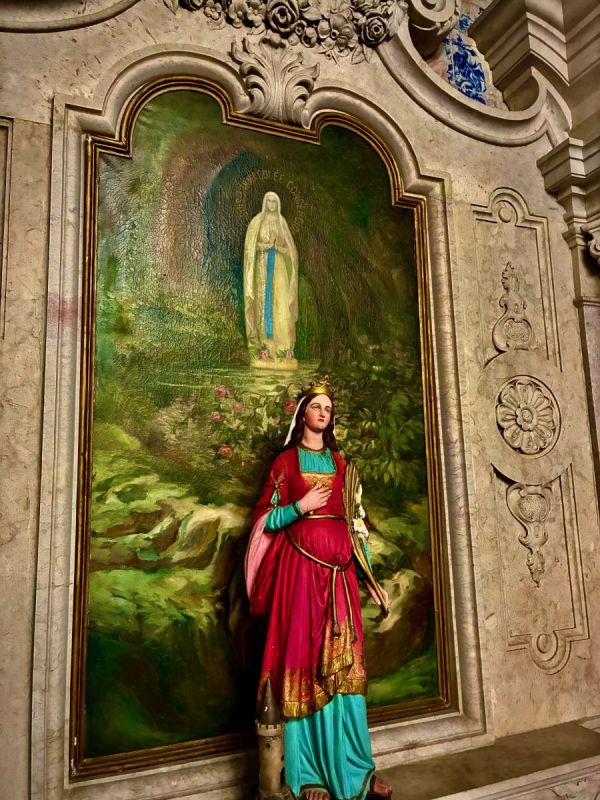
Introduction
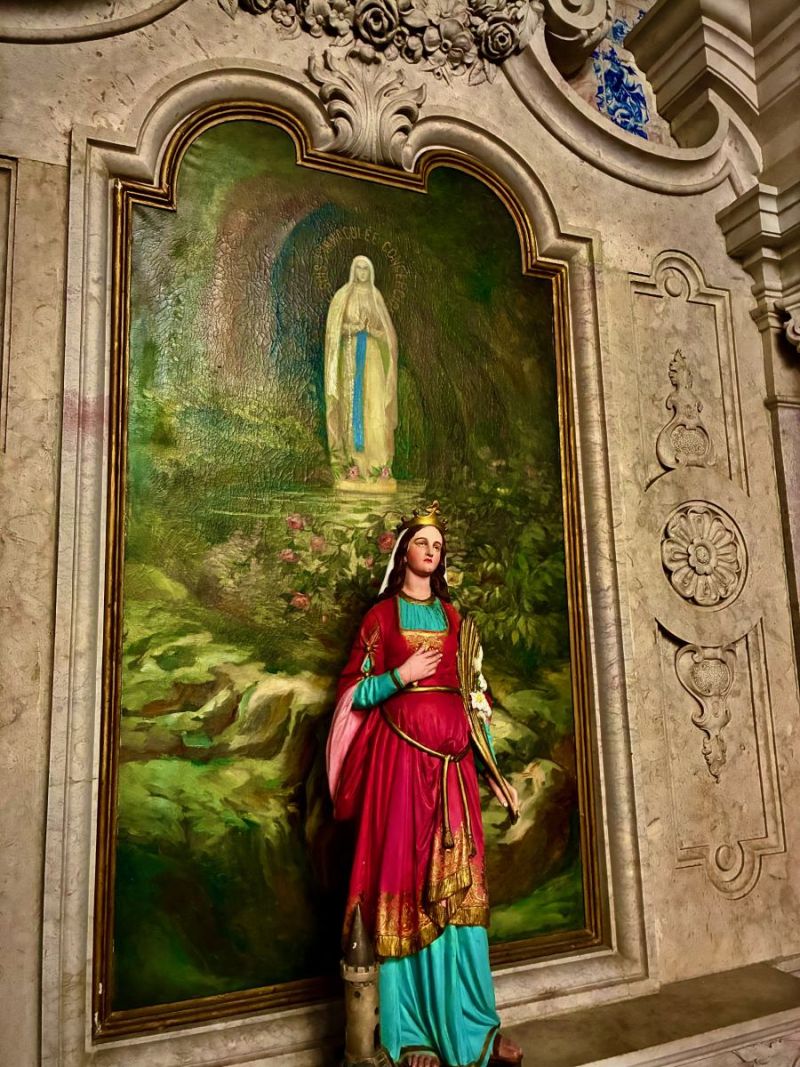
We were at the start of our pilgrimage walk in Portugal, from Fátima to Nazaré. I was wandering through the church and the sanctuary grounds at Fátima, contemplating, and at times meditating. When I decided to enter the main church there, I was met with this image: Mary kneeling in her white robe; to her left Jesus with his cross, to her right an old man whose identity I did not know, and above them a dove radiating beams of light.
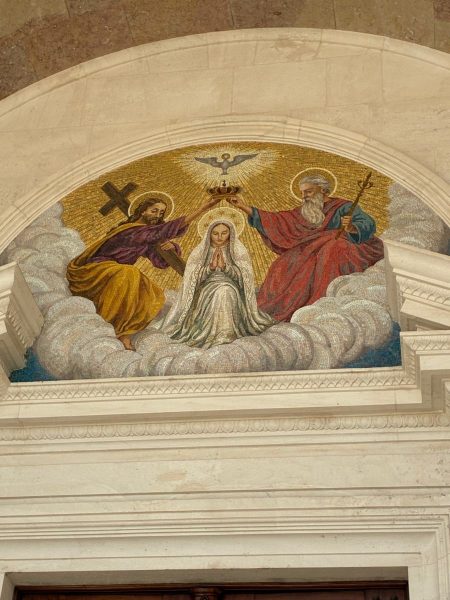
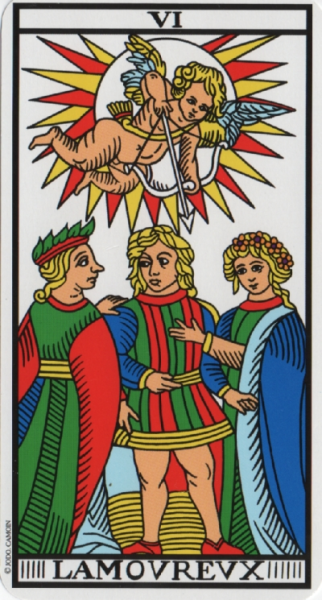
I don’t know who that old man is; I am not familiar with Christian doctrine. Whatever secret the Lover card holds, I saw it here too.
I felt there was a message here about the workings of the heart. Inside there were many depictions of Mary, and beneath them scenes from the life of Jesus at times, of Mary at others. I spent time with each of them, one by one, and I saw a story. A story that sometimes moves forward and sometimes back; that sometimes enters its subject from an unexpected place, as if opening a book in the middle; a story that feels close yet surprises. Because I quote the Bible below, you might think I have some religious knowledge; but what drew me in were the stained-glass windows you see below. Through them I conversed with myself. Afterwards I researched the figures beneath them, and interestingly I was able to make a connection between the two.
In a way, Mary and Jesus showed me two faces of the heart: one receptive, open, listening, compassionate; the other noble in feeling, generous in spirit, merciful. In one, roses bloom; into the other, thorns pierce; yet both burn with a smokeless flame:
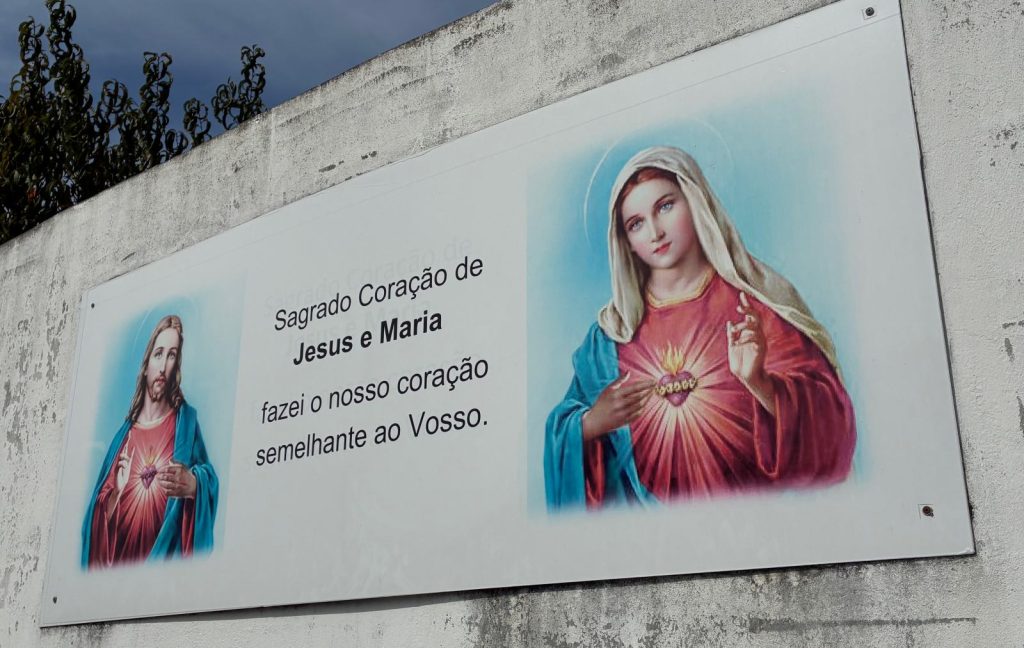
While telling the story I saw in the stained glass, I noticed I had been influenced by the distinctions the Sufi master al-Hakim al-Tirmidhi made about the heart: sadr (the outer surface), qalb (the center), fu’ad (the inner heart), lubb (the core). I did not follow his distinctions to the letter; in my own way I told it as a triad: the Heart (kalp), the Feeling Heart (yürek) and the Aware Heart (gönül), which in time ripens into a Heart-Mind. In speaking of the Heart, I also feel close to Nicholas and Helena Roerich, who describe it as a cosmic magnet.
While we are on the subject, I would like to share my view on esotericism and on interpreting symbols. Esotericism is not the sharing and explaining of symbols known only to a closed circle and thought to encode secret knowledge. That would be occultism at best. Symbols may of course carry certain knowledge through the traces left by the masters who created them; but I believe that symbols are essentially interactive maps that set our whole being in motion, our emotions, feelings and intuitions included. Put more poetically, the interpretation of symbols is the sprouting of the principles, secrets and images we meet in life within our inner garden, a process Jung came to call individuation. How to grow this flower, which experiences to feed it with, figuring out what the symbols mean for the heart: every individual is free and able to discover this in their own way over the course of life’s journey. The guides who show us the way, the teachers who share knowledge, the trainers who show us the how, and the masters who unite all of these in their being and lead by example are important; but the teacher, guide, trainer and master within us is more important. Let us listen to its voice.
I heard the story from my inner voice. I cannot say it is true; I cannot say it is false. I share it as it came to me.
One more realization came to me at the very end, and I want to share it too. The word pain appears often throughout this piece. I use it broadly, for the way all our sensations and feelings register in the nervous system. If the ache of separation is a pain, so is joy. My capacity to bear joy is as great as my capacity to bear separation. Bearing covers not only what we call negative, but also what we call positive.
1. My Heart Is Open to All Colors
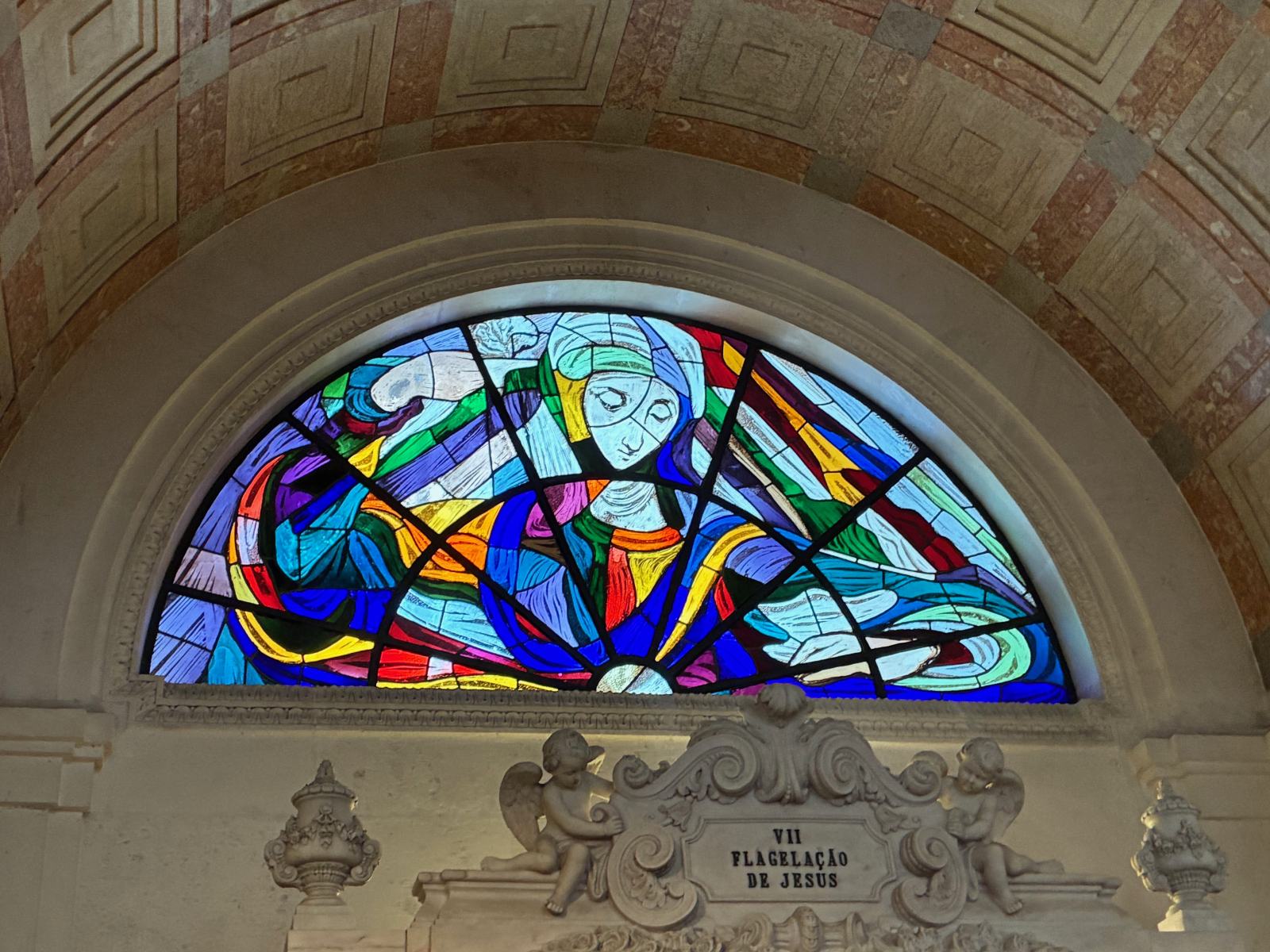
My Heart is open to all colors. On its calm surface I watch the glimmers shining within me, the vibrating emotions and the feelings that add depth, and I awaken to them. Though none of them is me, they rise within my self; lifting their heads out of the sea of my soul, they want to be seen, like statues made of water. I host them all and keep an equal distance from each. I listen sincerely to every guest I receive with courtesy, but I take none of them personally, for the patterns formed by the guests awakening in the sea of my soul have no end.
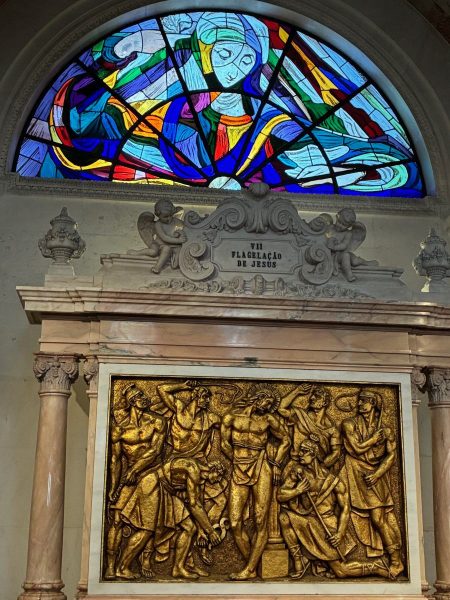
All these strange emotions hurt my Feeling Heart just like the lashes struck upon Jesus. The heat of the glimmers burns it; the emotions shake it the way waves shake a lone ship. The animal within me, not knowing how to be vulnerable, grows afraid as the pain deepens. When it is cold in the rain, it wants a warm place to shelter; in the turmoil, solid ground to stand steady on; before the unknown, familiarity. When it cannot find what it seeks, it wants to close itself off. Even when nothing outside shakes my Feeling Heart, at times it shakes itself and creates its own troubles. The tradition says: “…by His wounds we are healed” (1 Peter 2:24). Thus my Feeling Heart matures and its ore turns white-hot. To the extent that my Feeling Heart can bear pain, my Heart is open; it brings forth my Heart’s true light.
2. The Heart Absorbs the Feeling Heart
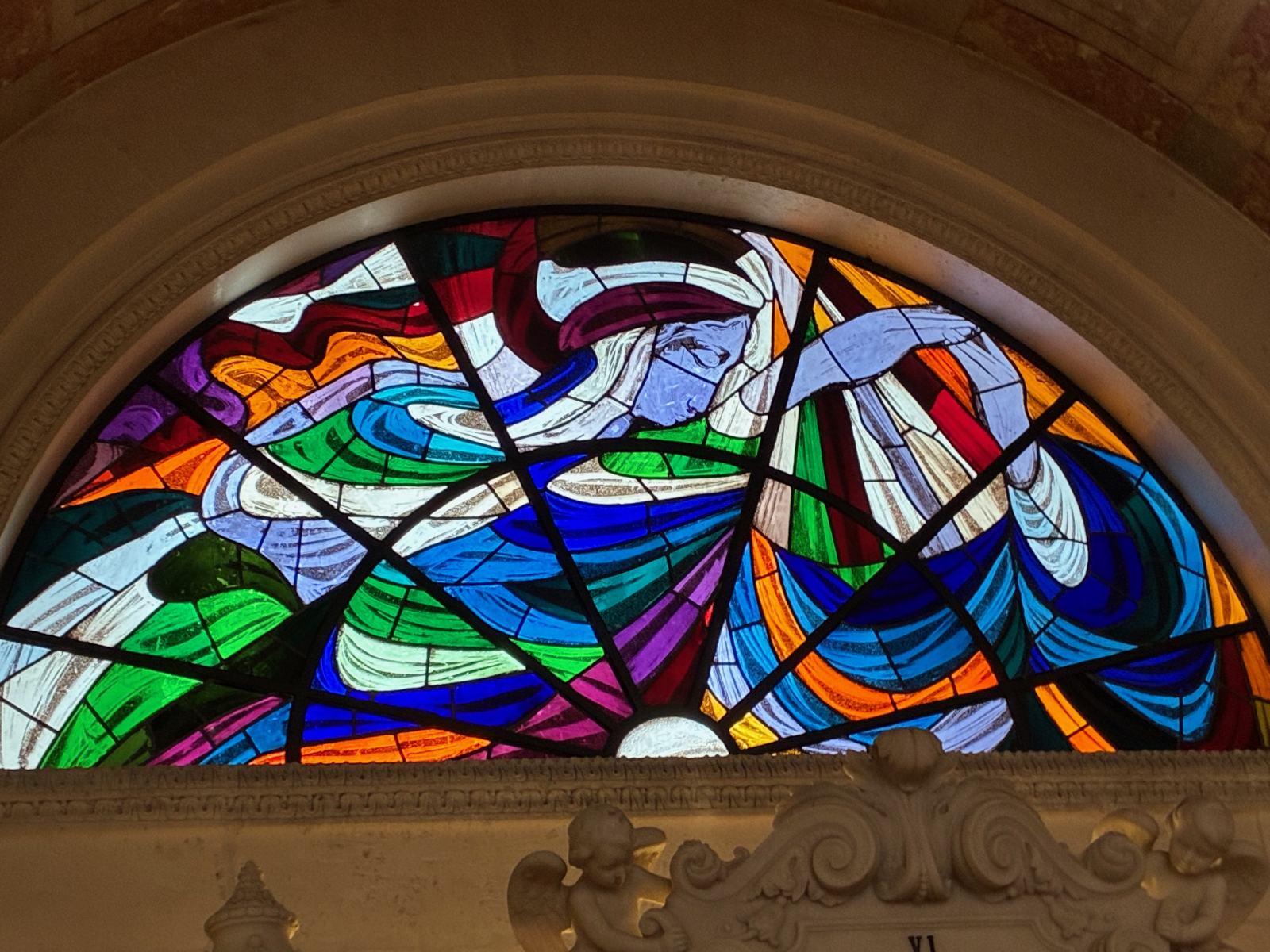
Every vibration that awakens in my Heart is like a river that nourishes my soul, and those rivers feed the sea of my Heart. Just as bees gather the essence of all kinds of flowers and make honey, my Heart is nourished by each river’s murmur, its sparkle, its flow in its own rhythm, and absorbs them in its depths. Waters meet waters; salty, sweet, mossy, all merge in the Heart without losing their identity. The Heart is purified by the unity it distills from the diversity it has experienced through the Feeling Heart. As it absorbs, it becomes active, and as it works, the radiance it holds begins to spread gently. The wavelength of its radiance is lilac.
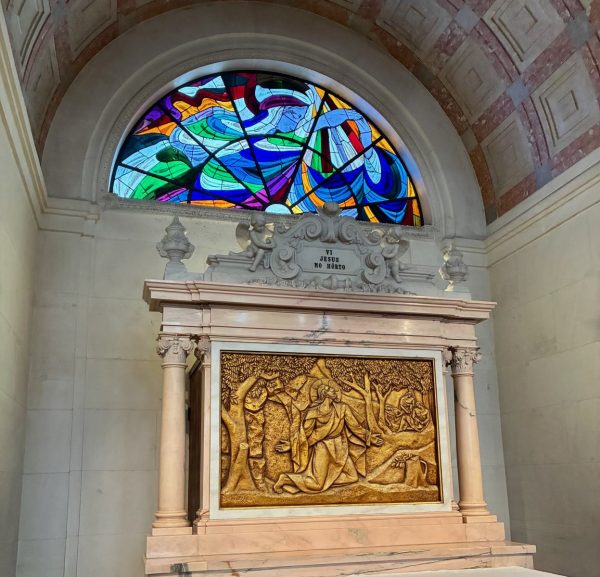
The Feeling Heart that feels its pain sinks into prayer. When Jesus goes with his companions to the garden of Gethsemane, he feels the sorrow in his Feeling Heart and prays to the Heart: “…if it is possible, let this cup [of pain and death] be taken away from me. Yet not what I want, but what you want.” (Matthew 26:39). As he prays, Jesus turns at one point and sees that the companions who came with him have fallen asleep. The body that houses the Feeling Heart struggles to bear this pain: “…the spirit is willing, but the body is weak” (Matthew 26:41). In this way the Feeling Heart sinks into prayer twice more, to taste its pain and embrace it, and each time it turns to look, it finds the bodies asleep, unable to bear the pain. Being hurt is hard for the Feeling Heart and the body.
The Heart’s radiance is a smokeless, never-ending flame. It blazes upon an olive tree. Its radiance is represented thus: “…kindled from a tree, an olive tree that belongs neither to the east nor to the west. The oil of this tree is so clear it would almost give light even if no fire touched it. Light upon light…” (Qur’an 24:35). Gethsemane comes from the Hebrew Gat Shemanim, the press where oil is drawn from olives. As the Heart feels the pain of the Feeling Heart, the olive is crushed, and the cup full of pain slowly fills with olive oil. The Heart is moved by the labor of the Feeling Heart, and the Aware Heart is born.
3. The Aware Heart Is Born
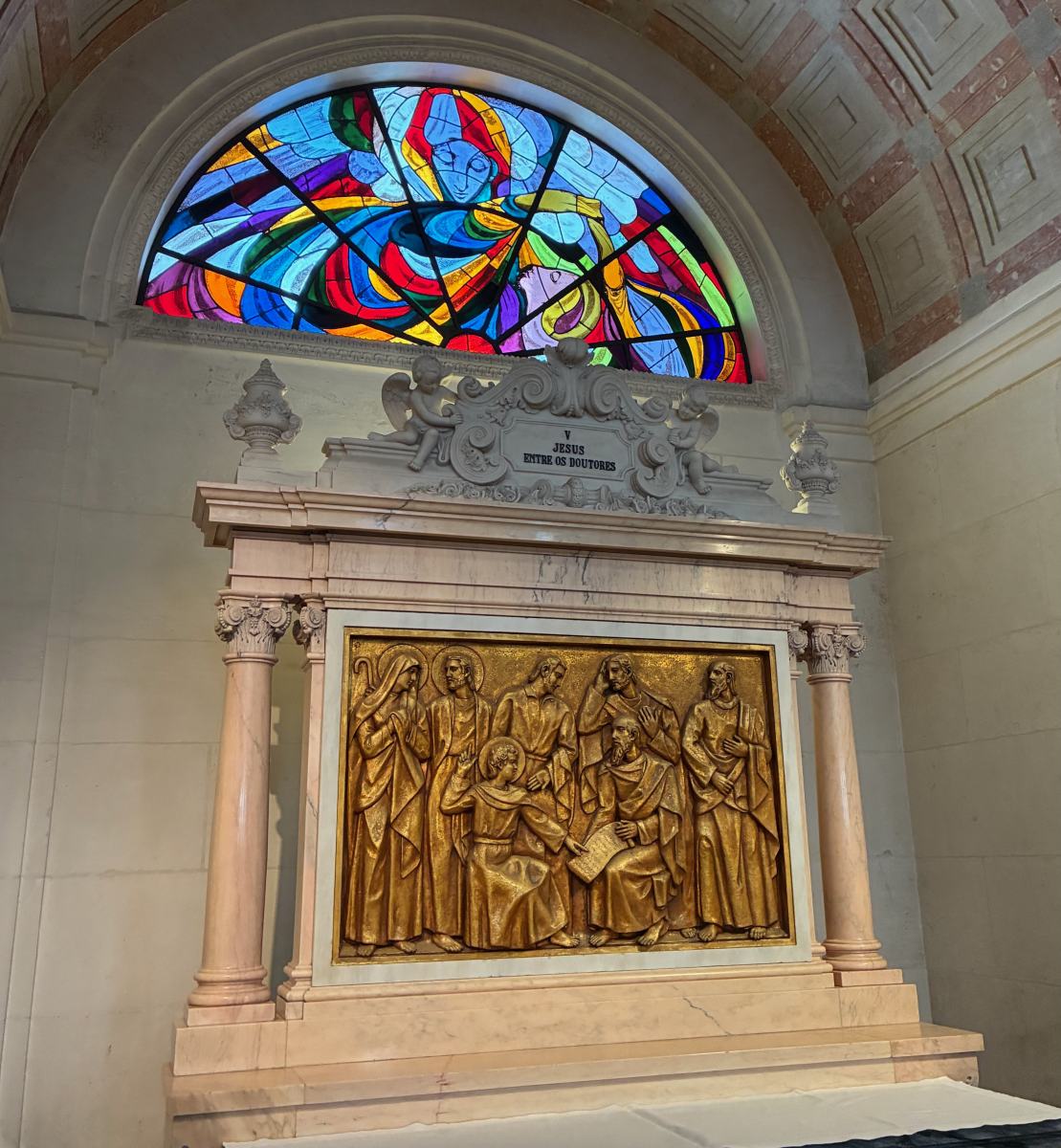
The Aware Heart comes to life from the Heart, through the experience the Feeling Heart gains by feeling. With its own labor, the Feeling Heart will nurse and raise the Aware Heart with the olive oil it draws from the Heart’s olives. The Aware Heart is pure, and in its purity it is receptive. This receptivity makes it the center of wisdom. At twelve, Jesus conversed with the sages of his time and astonished them with his depth. So it is with the Aware Heart: to the extent that it can feel, the Feeling Heart, kneaded by the Heart’s white-hot glow, catches fire. The Feeling Heart aflame is the Aware Heart’s wakefulness, and the Aware Heart opens its eye.
4. The Aware Heart Sinks into Contemplation
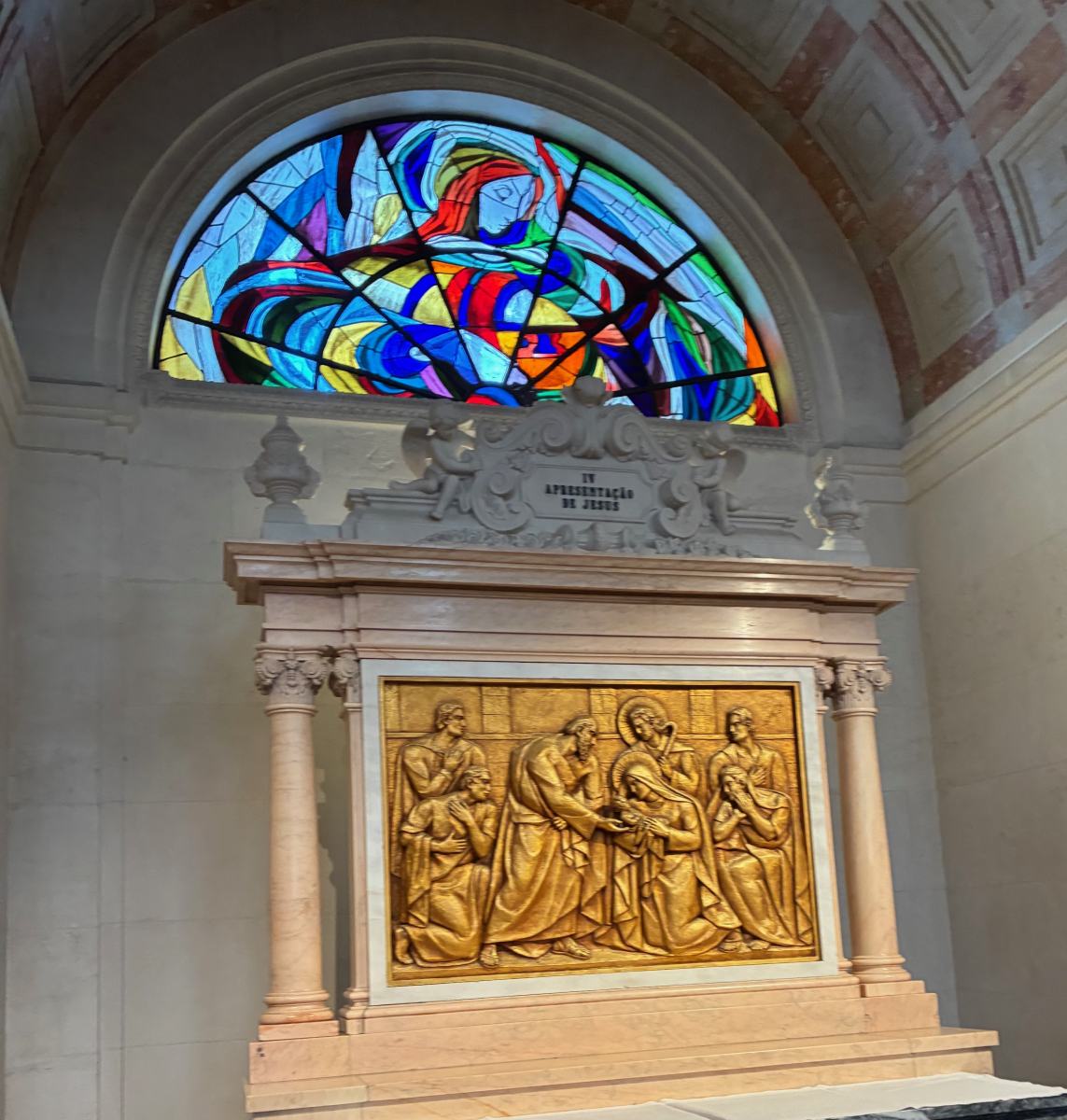
IV. The Presentation in the Temple
The opened eye of the Aware Heart sinks into contemplation. It lies between the Heart and the Feeling Heart, between the eternal and the transient, and at the threshold it is in touch with both. It longs to touch the world through the body. Everything that could happen there, all those potentials, draw it in. In this place where feeling and emotion meet, a river flows toward the world that draws it, as the moon draws the water. From the river, imagination is born. The Aware Heart spends its infancy on the bank of this river; it wishes, it feels, it savors, but above all it becomes absorbed in watching itself. As it comes to know itself, its sight opens; it is wise like an elder and joyful like a child. When Joseph and Mary take Jesus, forty days old, to the temple in Jerusalem, the aged Simeon, who has been waiting attentively, recognizes him. Just as death and life are two faces of one whole, wrapped around each other, when Simeon holds the infant Jesus in his arms he tastes not only vitality and joy in his Feeling Heart but also the pain and anguish of loss. He says to Mary: “…a sword will pierce your heart” (Luke 2:35).
5. Design
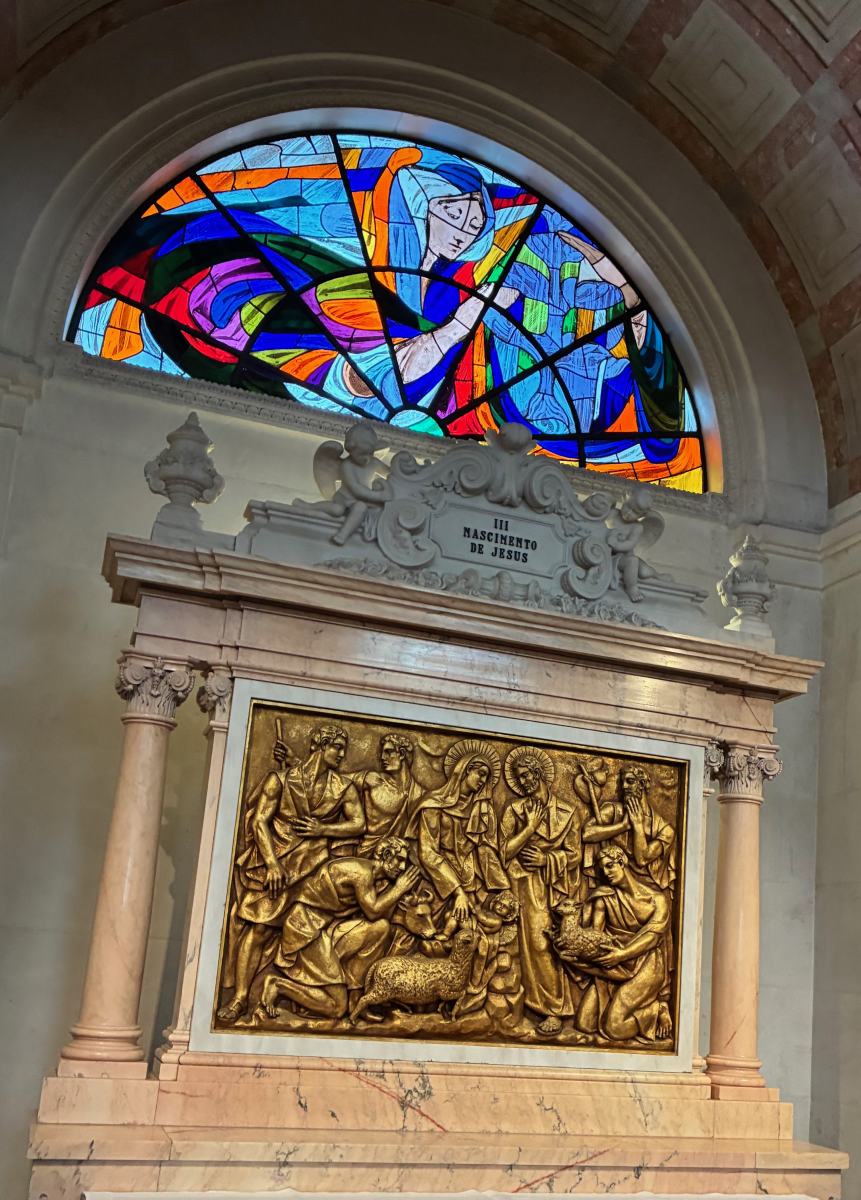
My Heart and my Feeling Heart have united; the color of my Aware Heart has become the color of my skin. Just as the awareness I gave birth to came about both of itself and through my own effort, the Aware Heart is now designing the freshness it will bring into life. The radiance it designs is lilac, like the radiance born when the Heart and the Feeling Heart join hands. The Aware Heart designed its flower with obedience, restraint and poverty: it listened to its own nature and set out from the experience it had absorbed; it set limits for itself through its experience and did not fall into excess; it brought all the layers of its soul into this play and went into action with the joy of play. The joy of play lightened it and kept its vitality from being crushed under the weight of perfection.
Before the birth of Jesus took shape in time, it was announced thus: “the virgin will conceive and give birth to a son; they will call him Immanuel [that is, ‘God with us’].” (Matthew 1:23). The seed of the Aware Heart’s flower, too, when it grows and flourishes in the world, will bring hope, love and faith. It will bring us joy and give our Feeling Hearts room to breathe, but it will not weigh on us with the shadow of unattainable ideals. Jesus was born at the winter solstice, when darkness stops spreading and light begins to spread.
6. The Lover and Action
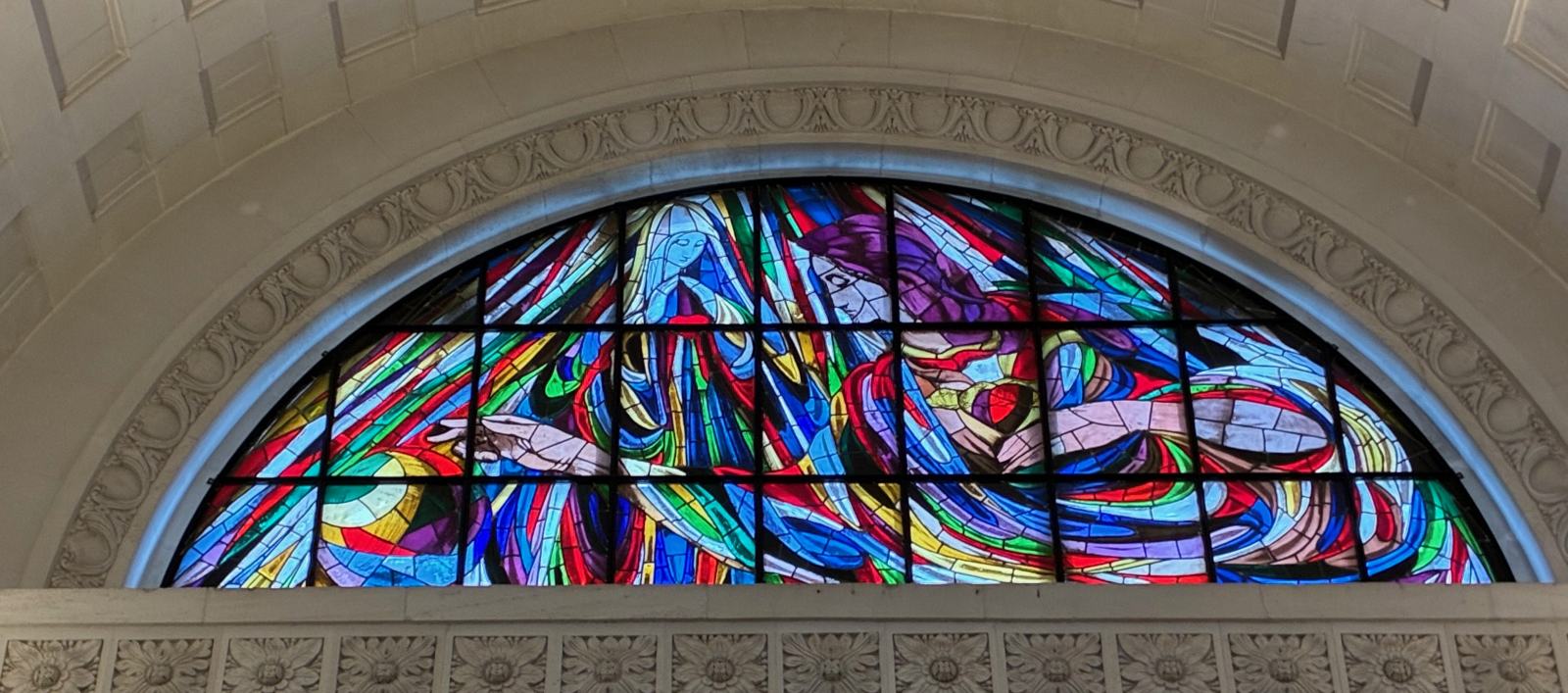
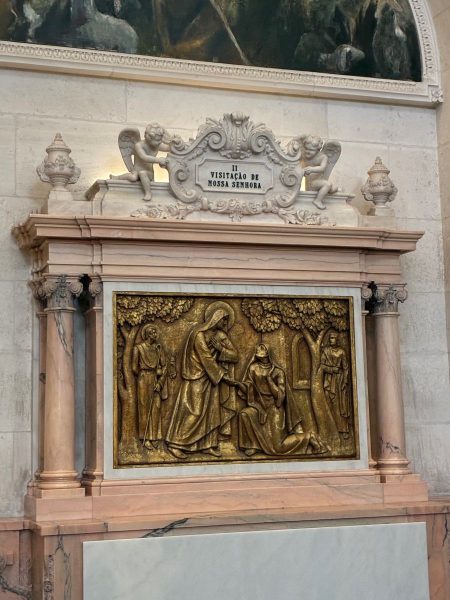
Now the time has come to put the Aware Heart’s design into action. The first step into action may be consciousness passing from unawareness to awareness, the soul gaining a motivation through an impulse or a drive. Seen this way, perhaps physical action is the carrying out of an action born in the whole of the mind. Action within action. My Heart, in the background, is wrapped in blues; in its purity it walks hand in hand with my Feeling Heart, at one with my Aware Heart. My Aware Heart was a child and has grown; now it has turned its design into a seed and will sow it into the world.
Perhaps the way an action unfolds in time is the secret of the Lover. Even though events happen one after another, an action can unfold out of sequence. John the Baptist, Jesus and Mary knew one another before they met in history, but their meeting and what they lived through took place on a different plane. While Elizabeth is pregnant with John the Baptist, Mother Mary comes to visit her in her blue robe and touches her. John, in Elizabeth’s womb, recognizes Mary by her touch, and his joy can be felt. In some depictions, red and black peonies bloom at this touch; yes, virtues will blossom in the world, but the Feeling Heart will face deep sorrows and mature through them.
John the Baptist will wash Jesus in the River Jordan and, just like water, link the past to the future. In nature, the water cycle gives rise to different events and forms, yet through all these cycles the total mass of water does not change. By this property, water is continuity and eternity. At this very moment the Heart shines in its earthly form and descends upon Jesus as a dove. In the consciousness that watches him, that is, in the Aware Heart, it sees itself and says: “You are my beloved Son, I love you.” (Luke 3:22)
I interpret this as “do what you love.” The teacher within me knows intuitively where to turn, and guides my actions. This is in fact one of the twelve human senses: being in the flow (predilection).
7. Integration
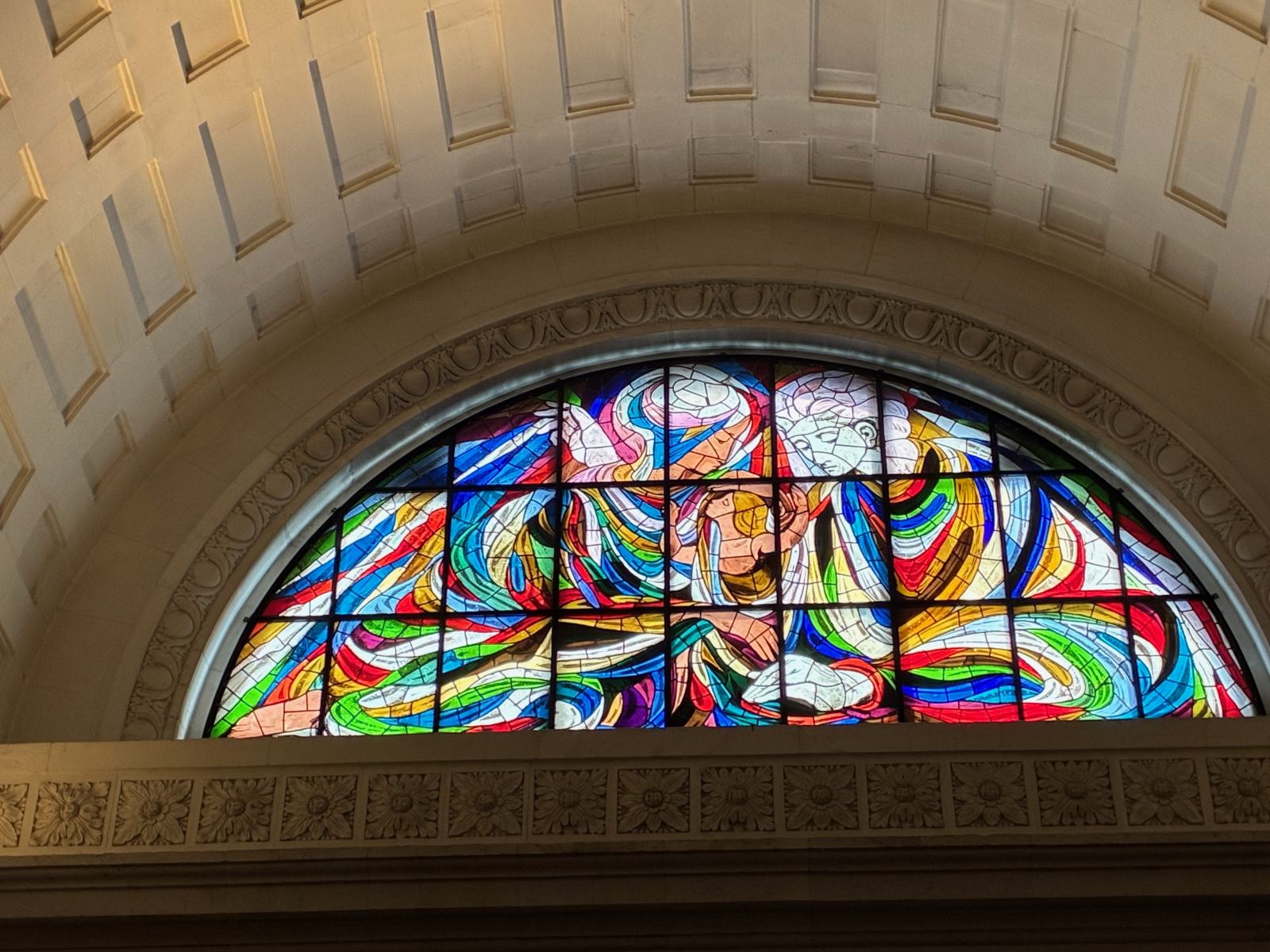
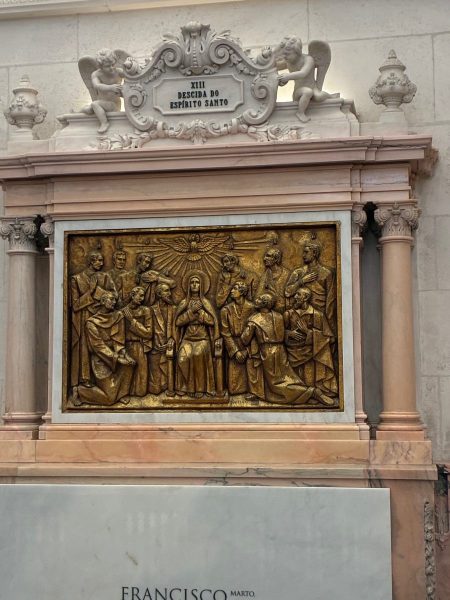
When the Aware Heart was able to reconcile the divisions within it, my masculine and feminine parts embraced each other. It blended their colors and shaped the image it had designed out of earth. My Heart recognized itself anew in the Aware Heart and loved itself. This is how compassion and understanding took flesh. Jesus rose with love, and love embraced those around him too. Mercy warmed everyone’s Feeling Heart, and all Hearts, like a tribe sitting around a smokeless fire, realized they beat as one:
“When the day of Pentecost came, everyone was gathered together. Suddenly a sound like the blowing of a mighty wind came from heaven and filled the whole house where they were sitting. They saw what seemed to be tongues of fire dividing and coming to rest on each of them. All of them were filled with the Holy Spirit and began to speak in other tongues as the Spirit gave them speech.” (Acts 2:1–4)
In Avatar: The Last Airbender (2005–2008), after the dance with the dragons, these words are spoken: “…their fire was magnificent, I saw so many different colors, colors I couldn’t have imagined.” The Heart’s smokeless flame is just “…like the sun, but inside us”. It may seem devastating; but when everyone steers their life by their own unique fire, the light speaks for itself and warm relationships form. What is heavy becomes light.
8. The Awakening of Wisdom
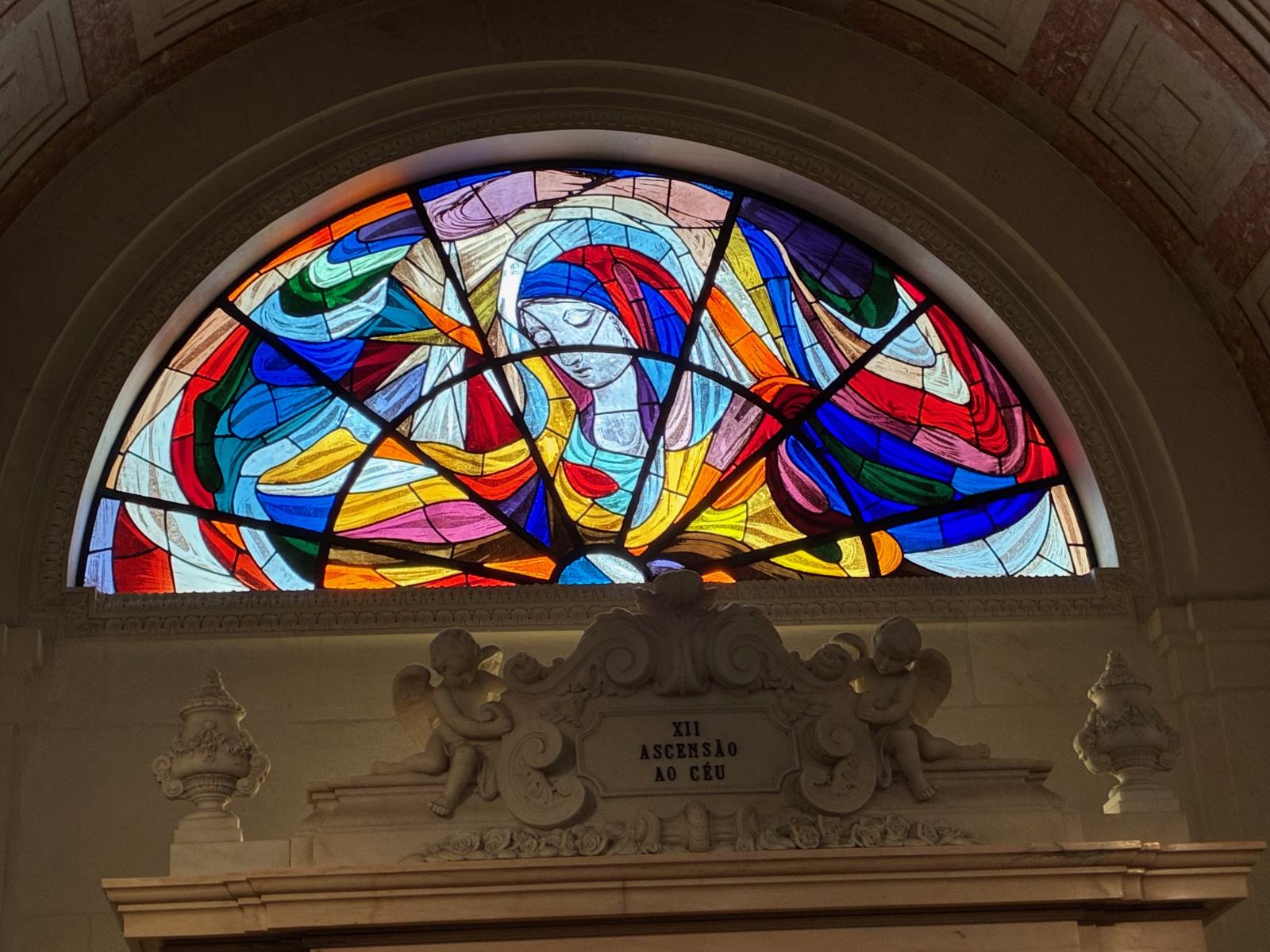
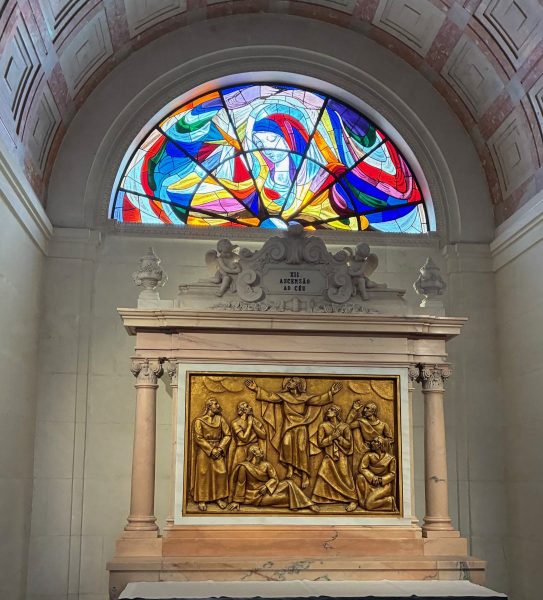
My Feeling Heart is certain now. Stretching, bending, being crushed no longer tire it. Or perhaps it no longer tires of being tired. Even as it burns, it stays cool inside. Within the flow and cycle of life it blooms when its time comes, fades when its time comes, is reborn when its time comes. My Aware Heart, now a Heart-Mind, contemplates its movement within itself, senses in it a seven-pointed star, and imagines it. The vibration of this seven-pointed star is the trace of an undivided awareness that unites both mind and Feeling Heart. It is here that Jesus rises toward heaven, toward the stars.
9. Hope, Love, Faith
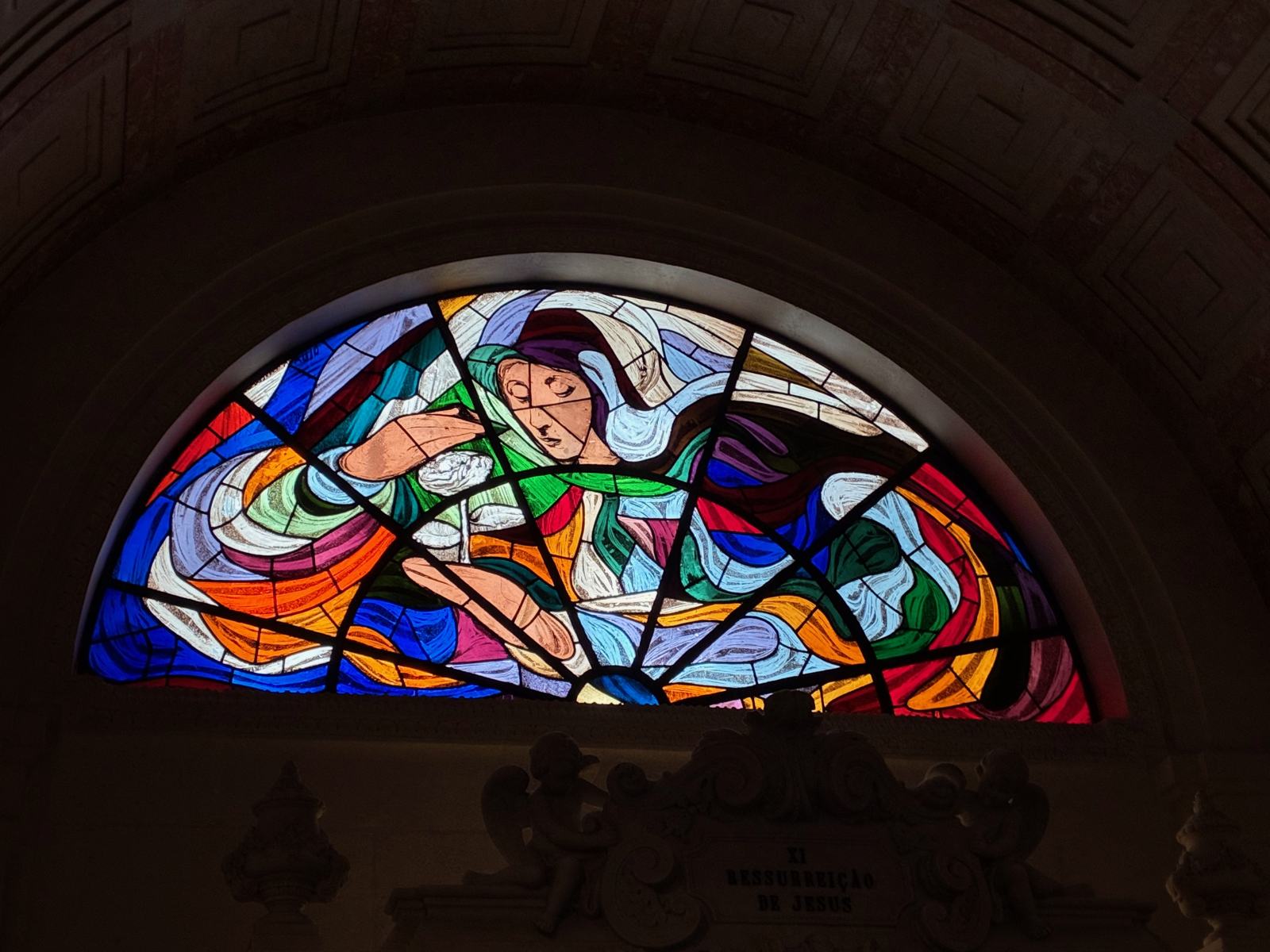
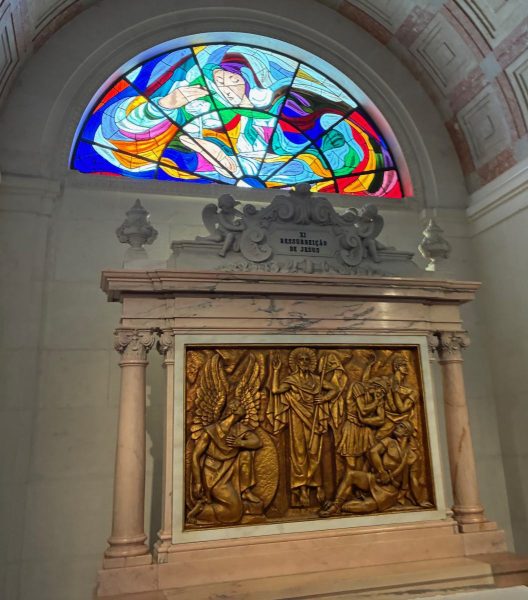
Feeling Heart, Heart, Heart-Mind; hope, love, faith. The Heart designed its own flower with love, and from it the Heart-Mind grew. From the Heart-Mind that had experienced the pain of the Feeling Heart, hope was born; and from the Heart-Mind that came to know itself through this experience and found peace, faith was born. From the midst of these three grew a rose, white and radiant as a pearl. Its name is eternity. Eternity became not an unknown on the horizon, but a priceless crystal flower growing in the world. Never cut off from the work and pain of the days; with peace in its soul, knowing, understanding and feeling what the moment calls for, yet able to look at it impartially, like a star in the sky; knowing that beauty is born of transience: eternity’s other name is Human.
A hymn says: “Bûy aldık bir gülden çiçekçesine.” Like a flower, we caught the scent of that rose. Marsilio Ficino writes about scents in his Three Books on Life:
“Therefore where the spirit is found either meager or prone to escape, of which the signs are pusillanimity or great weakness of body arising even from a small cause, allure it with odors… Thus make for yourself that balance which nature did not make. And as often as you fear dispersion of the spirit, bring to bear the hotter, sharper, and very subtle things…”
Jesus rose, everywhere smelled of roses, and Jesus, catching the scent of the rose, rose.
10. My Hands Are My Sanctuary
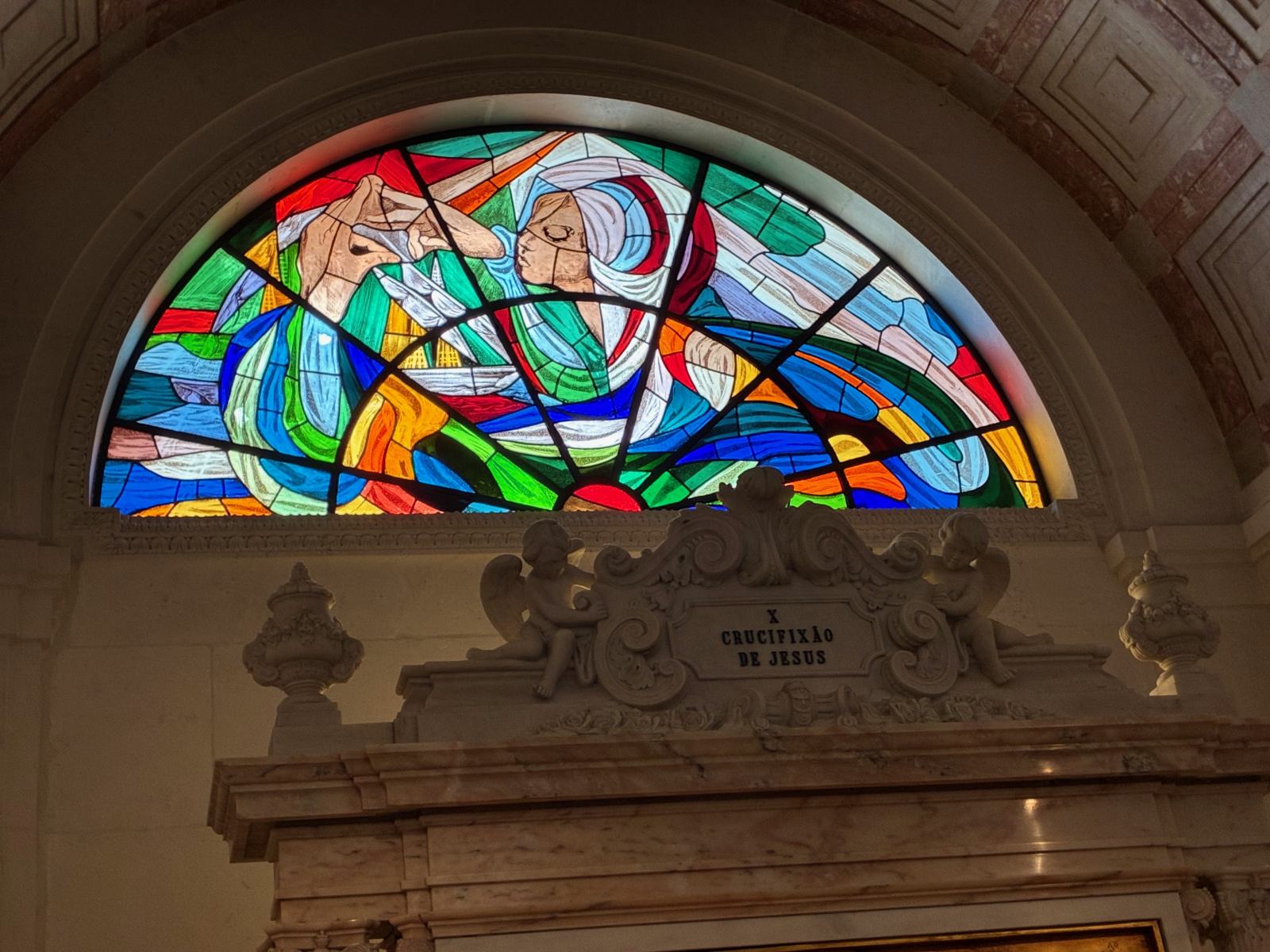
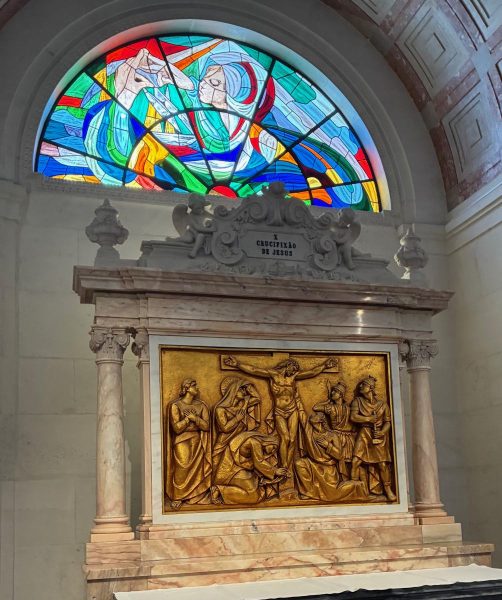
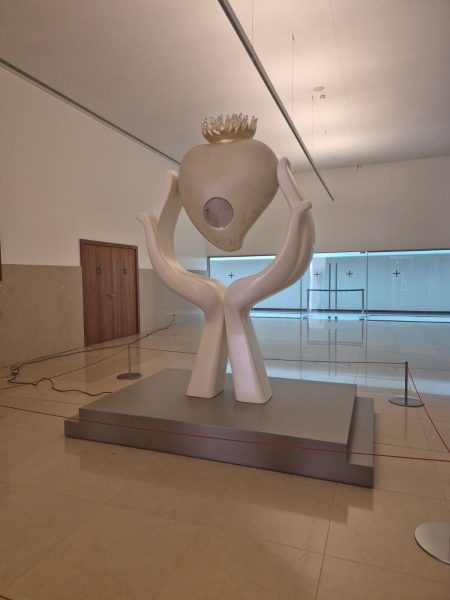
When the time comes to depart, a sadness falls over the soul. The wheel of fate turns: what is born dies, what rises falls, what falls rises, what dies is born again. Energy is not lost; it transforms. The soul that understands its end has come falls into deep sorrow, even though it knows it will transform. The sorrow is not about the end of earthly life. Facing the inevitable, the soul senses that it is approaching a threshold. As it passes through that threshold, it sees that some of its garments have grown old, that the rose it called unfading has faded, that it is a camel preparing to pass through the eye of a needle. Layer by layer, it begins to take off its garments, to undress. It is purified; it is as if the Holy Spirit that sustained it were gone, and an unbearable sense of emptiness engulfs it. Now it is utterly tender, like a calm lamb. They called Jesus the Lamb of God. At this very moment the Heart joins its hands and, with its hands, remembers the secret of the threshold. This prayer has no words; it speaks through silence. In the silence, Jesus said: “Eloi, Eloi, lema sabachthani?” (“My God, my God, why have you forsaken me?”) (Mark 15:34).
11. What Is Heavy Becomes Light
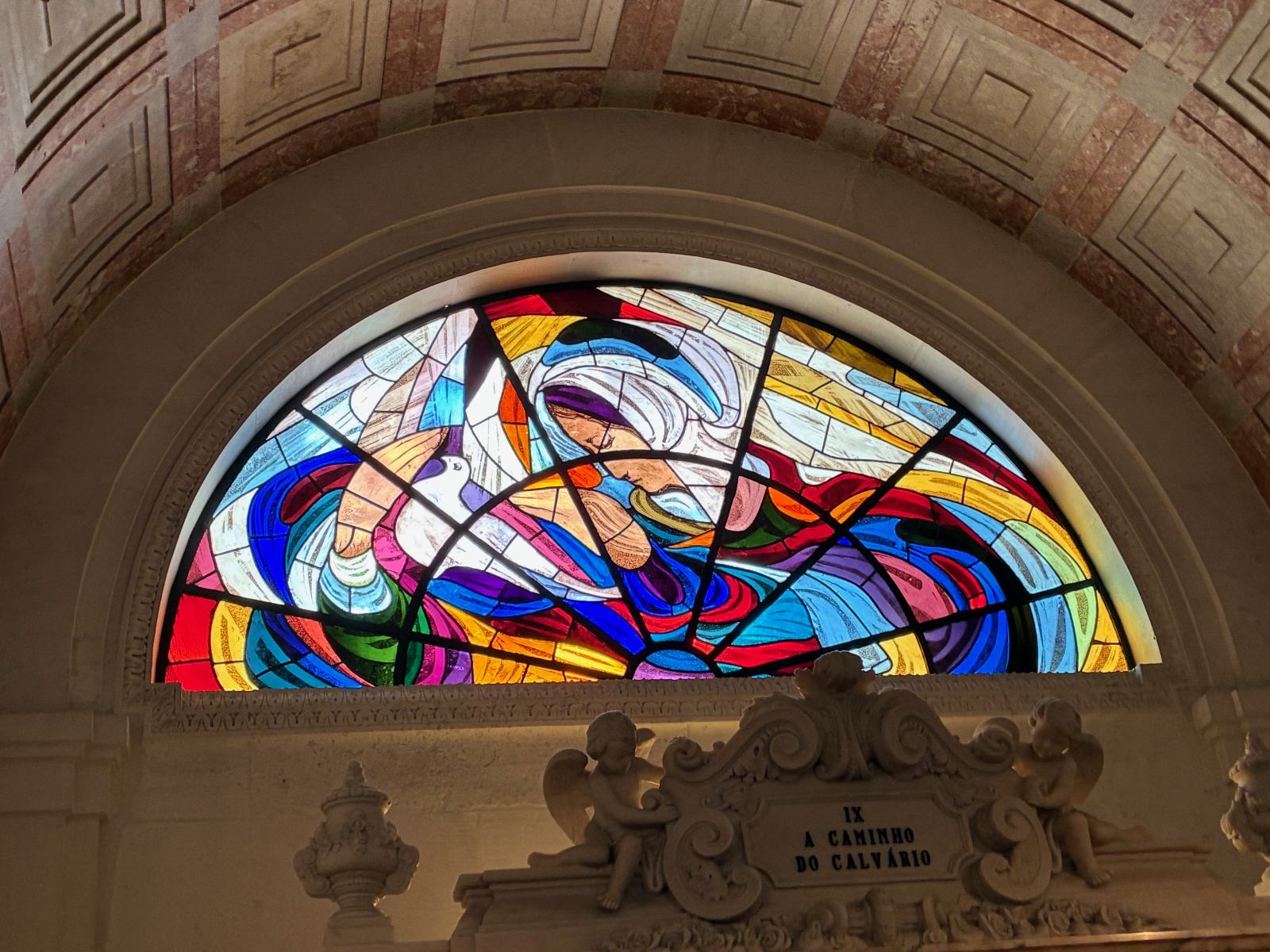
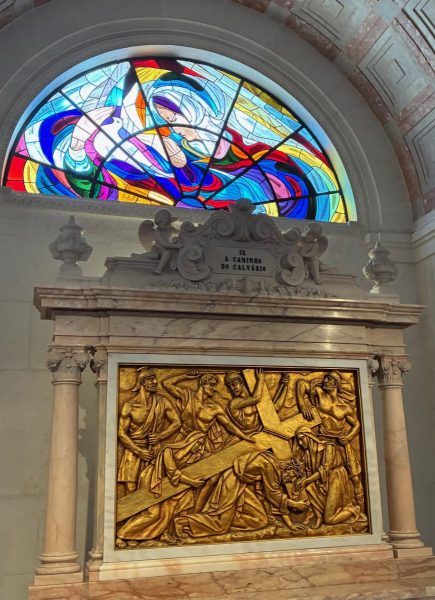
As my body dissolves, my white rose longs to move toward the threshold. The rose’s white petals lengthen and open, becoming wings. My white rose is now a dove. Light and nimble enough to pass through the threshold.
12. I Contemplate Myself
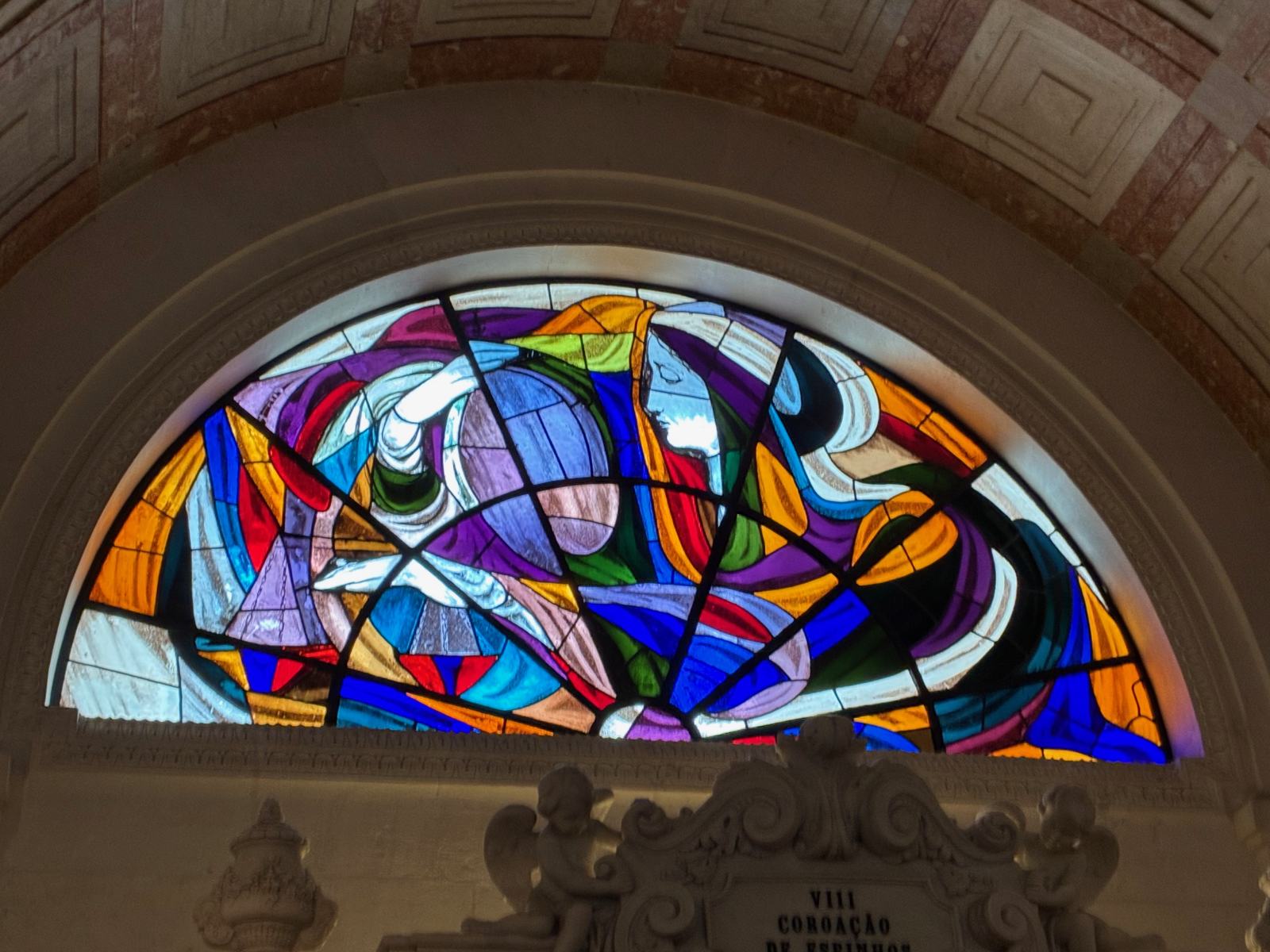
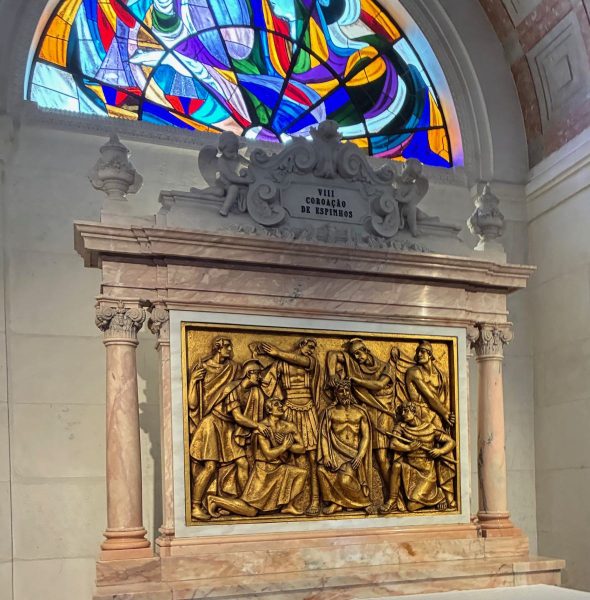
I will measure and discern what I have absorbed from life. At times this will hurt like wearing a crown of thorns. Through this effort I will distill my white rose and draw from it an essence all its own. I will let a single drop of this essence fall into a wide stone cistern, and there I will look at myself with the eyes of justice. A justice that has folded its scales, cleansed of duality, that sees both past and future, both good and evil, both flaw and merit.
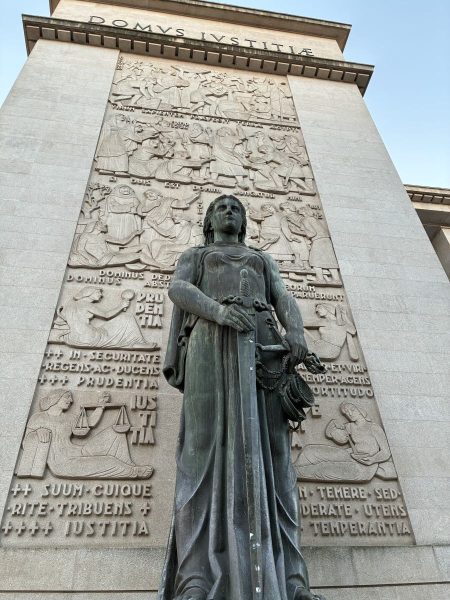
I will look at myself until I recognize all the colors I have worn. The colors will flow from my face one by one and merge back into the deep seas they were born from. My face will become pure white, like my white rose. My Heart, as always, will be open to all colors.
When I am ready, again.

Closing
Sleep not beneath the cypress trees,
For here one cannot rest.
Your body-shadow of the clothes
Your being wears as vest.
Comes night, and then comes mortal end,
Your shadow ends as shade.
You move along, the barest shape,
The stuff whereof you’re made.
Yet at the dreaded Inn of Night,
The Angels take your cloak.
You move along, with shoulders bare,
As if you’ve shed a yoke.
Then Angels strip your final vest
And leave you by the road.
You have no clothes, have nothing now-
Your body’s your abode.
At last the Gods divest you more,
In depth of darkest cave.
Your body, outer soul, now stilled,
You’re equal, not their slave.
Your clothes, their shadow stayed with Fate
Beyond your final breath.
Not dead amid the cypress trees-
O novice, there’s no death.
Fernando Pessoa, Initiation (23-5-1932) From an anthology of Pessoa we found at the Refúgio das Artes hotel in Mendiga.

Leave a Reply