Circle of Transmission: The Living Loom

The Philadelphian We: Three Treatises from the German Editions of Thomas Bromley (1709 & 1714)

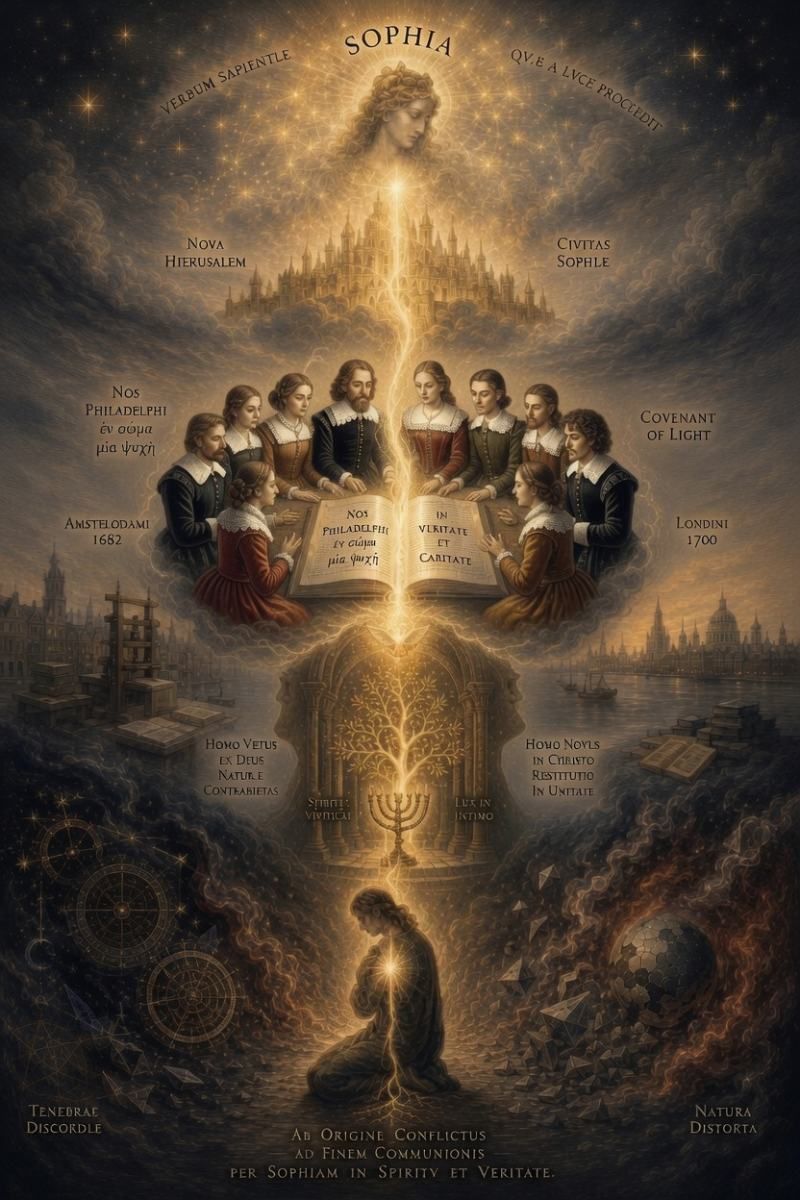
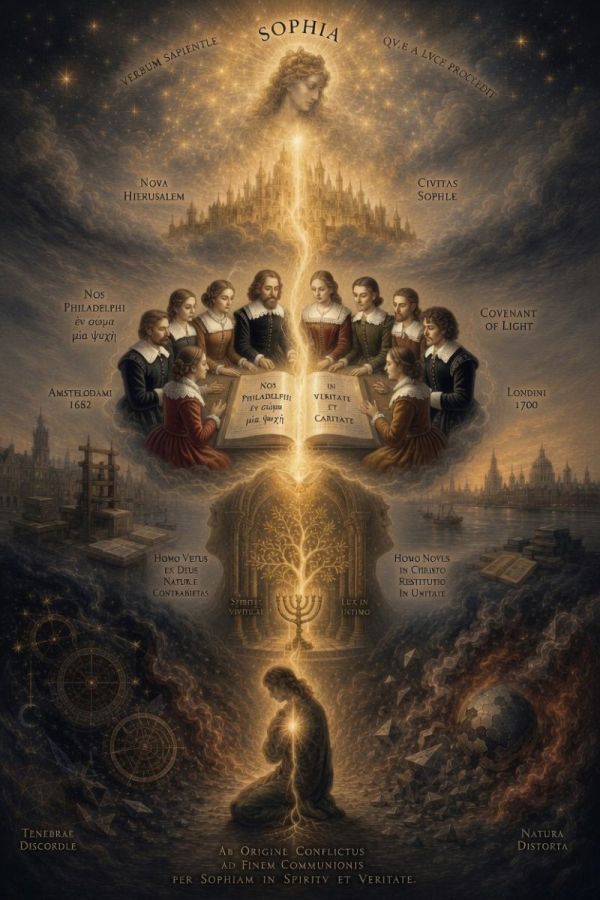
This modern representation maps the vertical theology of the Philadelphian ascent. From the Seelen-Kampf’s anguished soul at the base, the eye rises through the Covenant’s liturgical community to the cosmological architecture of the New Jerusalem, crowned by Divine Wisdom (Sophia). Framed by the transnational axis of Amsterdam (1682) and London (1700), the image visualizes the core argument: the soul’s conflict, the community’s discipline, and the cosmic order are a single shaft of light. The motto declares the arc: ‘From the origin of conflict to the end of communion, through Wisdom, in spirit and in truth.

*

Today’s sharing from the Blue House of Via-HYGEIA is an occasion to rejoice, as we are publishing three English translations of Thomas Bromley’s German editions which have no surviving English counterparts.

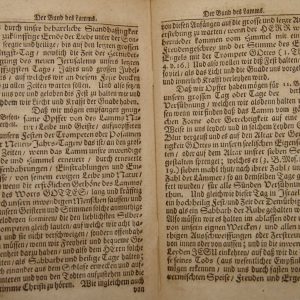
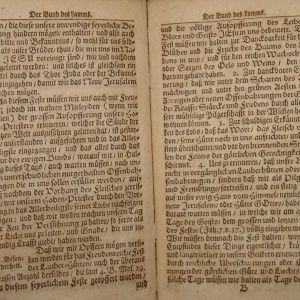
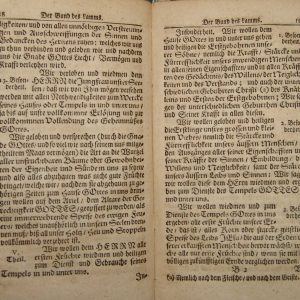
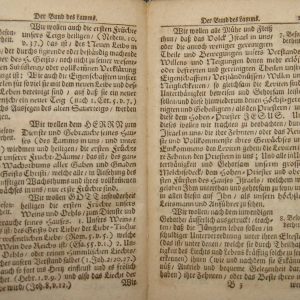
We begin with the cosmological foundation (Treatise IX from the 1714 Ten Little Treatises) establishing the metaphysical architecture; we then move to the covenantal discipline (Treatise II from the 1714 Ten Little Treatises) which shows how that cosmology is lived; concluding with the Seelen-Kampf (Soul’s Conflict), found in the appendix of the Way to the Sabbath of Rest German 1709 Amsterdam edition, which returns the whole system to the crucible of individual experience.

(Note: Readers following our series may recall that Treatise X from the same 1714 collection was published in an earlier Via-HYGEIA sharing, highlighting the crucial role of the German translator Loth Fischer in salvaging this lost corpus.)

Conscious of our limitations and consistent with our mission, our endeavor is to capture the texts’ core essence and offer a coherent interpretation, in the hope that one day a definitive scholarly English edition will reveal its full beauty to the general public.

**

A CONTEXTUAL INTRODUCTION

The Philadelphian Society and the German Editions of Thomas Bromley:

A Lost Corpus Restored

The three texts presented here—Treatise IX (cosmological foundations), Treatise II (the Covenant of the Lamb), and the Seelen-Kampf (Soul’s Conflict)—constitute a hitherto unknown English corpus, translated from German editions of works by Thomas Bromley (February 1, 1629 – April 13, 1691).

A founding member of the Philadelphian Society and one of the most sophisticated English Behmenist theologians of the seventeenth century, Bromley was an Oxford-educated mystic who joined the spiritual community gathered around Dr. John Pordage at Bradfield, Berkshire, before 1650. There, alongside figures such as Jane Lead (1624–1704), he helped forge a visionary movement that would become a transnational phenomenon.

Crucially, when these texts speak in the first person plural—“we will,” “we vow,” “we desire”—the “we” is the Philadelphian Society itself. This is not a generic rhetorical device but the specific voice of a radical spiritual community that interiorized Jewish ritual, practiced Sophianic mysticism, and maintained an extensive correspondence network across Holland, Germany, and Switzerland.

Formally constituted in 1697 at Westmoreland House, London, the Society took its name from the sixth church of Revelation (3:7–13)—the church of “brotherly love” inaugurating a new spiritual epoch. Its members saw themselves not as a “peculiar sect” but as the vanguard of a universal “Philadelphian state” transcending the confessional warfare of institutional Christianity.

Their theology was deeply rooted in the theosophy of Jakob Böhme (1575–1624), whose complete works had been translated into English by 1662 and who exercised an “astonishing regularity” of influence over radical Pietism across Europe. While Bromley’s early works—The Way to the Sabbath of Rest (1655), The Journey of the Children of Israel, and Extraordinary Dispensations—were published in English during his lifetime, the three texts presented here, part of a larger corpus preserved solely in German, occupy a different historical status: they have no surviving English editions from this later period.

Following Bromley’s death in 1691, the German translator Loth Fischer (1640–1705) was granted access to unpublished manuscripts held by the Philadelphian Society. Fischer, a tireless member of the Amsterdam-based mystical network (connected to Heinrich Wettstein and Johann Gichtel), constructed the later German editions that preserved this specific triadic corpus: the 1709 Amsterdam edition of Der Weg zur Sabbat-Ruhe (containing the Seelen-Kampf as an appendix) and the 1714 Zehn Kleine Traktätchen (Ten Little Treatises), from which Treatises II and IX are drawn. It is thanks to Fischer’s meticulous labor of love that the works of Jane Lead, John Pordage, and Bromley were introduced to a continental audience of Pietists, Boehmists, and Labadists.

These texts represent a distinct, mature phase of Bromley’s thought—systematized and perhaps final—that was effectively saved from oblivion solely by the continental branch of the Society. Indeed, because the original English manuscripts for these later works were lost, the German editions are not merely translations but the sole surviving witnesses to this part of Bromley’s oeuvre. They are amplified and reorganized versions of Bromley’s thought, reflecting the Society’s transnational circulation and the particular reception of English Boehmism among German Pietists.

The Triadic Architecture The three texts form a deliberate theological progression:

  1. Treatise IX establishes the metaphysical cosmology: the post-mortem geography of atmospheres, æthers, and heavens mapped onto the Exodus narrative, underpinned by what we might call, a Divine-Mechanical Philosophy of atomistic spiritual matter arranged by the eternal Word. This remarkable synthesis attempts to reconcile the emerging corpuscularian science of the late 17th century with Böhme’s mystical theosophy
  2. Treatise II (the Covenant of the Lamb, based on Nehemiah 10) reveals how this cosmology is lived and liturgized: the “we” of the Philadelphian community vows to interiorize the entire Levitical cultus—showbread, burnt offerings, Sabbaths, Passover, and the Feast of Tabernacles—transforming Jewish ritual into the psychic architecture of the soul’s “inner temple.”
  3. The Seelen-Kampf returns the whole system to the crucible of individual experience: the anguished soul’s combat with Satan, the world, and the flesh, narrated as a spiritual warfare that moves from despair through self-denial to mystical marriage with Christ the Bridegroom.

This progression—from cosmos to covenant to conflict—mirrors the Philadelphian conviction that theology must be experiential, that liturgy must be interior, and that the individual soul’s struggle is the microcosm of the macrocosmic drama of redemption.

Historical Significance The historical significance of these translations cannot be overstated. Despite its small numbers (perhaps no more than one hundred English adherents at its height), the Philadelphian Society exercised a disproportionate influence on European religious history. Through their network, they facilitated the publication of English mystical texts in German translation. Jane Lead’s writings were read by major Pietist figures including Gottfried Arnold, Pierre Poiret, and Johann Gichtel. As Richard Roach later observed, Lead’s works were “now overlook’d by the wise of the world & almost unknown in her own Country; [they are] high valued in others.”

The same may be said of Bromley. His English originals are now extraordinarily rare, and these specific German editions have remained inaccessible to Anglophone readers until now. These translations restore a missing chapter in the history of English radical religion.

The theological voice that speaks in these pages is unmistakably Philadelphian: it is liturgical (obsessed with the interiorization of cult), Sophianic (attentive to the feminine dimensions of divine wisdom), Boehmist (grounded in Boehme’s sevenfold cosmology), millenarian, and universalist. It is also deeply Jewish in its hermeneutic: the Hebrew Bible is not superseded but transfigured, its rituals alchemized into the substance of the soul. The “Canaanites” are psychological forces; the “Sabbath” is a state of divine indwelling; the “temple” is “in and under us.”

To read these texts is to enter a world where the boundaries between Christian and Jewish, Protestant and mystical, English and German, individual and communal, have become permeable—a world that the Philadelphian Society inhabited with remarkable intellectual courage and spiritual intensity. Without the intervention of the German translator and the Society’s manuscript archive, this crucial voice would have been silent.

*

And now the texts:

I. TREATISE IX

An Elucidation of Several Points in the Preceding Revelation,

Added by the Author Himself

On the Atmosphere 

It is said of the air or atmosphere that it is like Egypt. The proper sense and meaning of these words is that the air is to souls departed from the body the same thing that Egypt was to the children of Israel: namely, a place of tribulation and distress, in which there is no true rest; and therefore those who belong to the kingdom of Christ are led through it to paradise, which lies above in the air or atmosphere, and encounter a difficult passage there; for it appears as a sea over which one cannot come. But the power of the LORD leads them through. And when they fly over it, they see that the devils pursue them, even as the Egyptians pursued the Israelites in the passage through the Red Sea.

Furthermore, it is said that the Æther, or the Fiery Heaven, is like the wilderness, in which the children of Israel suffered much severe hardship and tribulations: even as those souls also truly experience, who after their death go no further than into the Æther; for such die too early in their work, and ascend only from one degree to another to the kingdom. Above in the Æther there are pleasant dwellings, in which souls are prepared to be led through another appearing sea to the land that is like the banks of the Jordan, between the wilderness and the land of Canaan: through this they are led by the arm of the LORD; otherwise they could not come through. Although some are permitted to attempt it, they soon become faint-hearted, turn back again, and confess their unfitness, until they are led through by the power and grace of God.

It is further testified that the Third Heaven is like the land of Canaan, or its counterpart, in which the form of a very cheerful landscape and lovely habitations is, and because it is mentioned that fields, grain, and trees appear there, one must consider how these appearances arise from the orderly arrangement of the atoms or smallest particles into different forms, masses, and constitutions, according to the laws of eternal wisdom and true rules, or the Divine-Mechanical Philosophy, which are given there: for this happens through the eternal Word; and that which Plato says, that God measured the earth, is not only true in the works of nature here, but also in the works of God above this world, in the Third Heaven and Paradise, etc.

On the Narrow Way into Paradise 

As concerns the narrow and difficult way into Paradise, the question arises: what is the cause of the great difficulty which souls find when they are led over? To which the answer is: that the fallen angels cause the difficulty, and indeed through a very great (though invisible) resistance which they offer to those who travel through that region, even as the Canaanites opposed Israel in a visible way in the promised land, before they subdued them and made them subject.

In respect of Paradise, it is thus with the form of the things that are there in great variety: namely, the cause is the manifold orderly arrangement of the atoms or smallest particles, through Him who is the eternal Word or Understanding of God, as the given Mediator is.

But as concerns the souls who in the Third Part of Paradise still increase in wisdom and knowledge, this is founded upon this true hypothesis: that such do not ascend immediately into the kingdom at their death, but go through their work degree by degree and step by step, and thus from one degree to another in grace and virtuous perfection, and in corresponding increase in knowledge and understanding, in which they are assisted by more enlightened souls and angels; even as it happened to some of the saints here in this world, as to Daniel through the angel Gabriel, who said to him, Dan. 9:22: “I am come to give thee skill and understanding.” See also Rev. 7:14 and chap. 17, v. 7.

On the Glassy Sea 

As concerns the glassy sea, there are some seeming difficulties. How can the same body be a sea, and yet be called glassy? Or the same body be firm and yet fluid? To which the answer serves: that it is not to be understood from the same parts, or at least not from the same side, or meant to be understood as such. It is in general a coagulated fixedness in its outwardness; but next beneath it there is a flowing substance like water.

On the Seven Properties 

As concerns the seven properties from which this glassy sea is said to arise: we must consider that there is a spiritual matter which is present in all places, or which passes through all things. This matter (which penetrates the material bodies) whether it be spiritual or not, is nevertheless of different forms and magnitudes, and also capable of different movements and conditions, like the particles of matter in the world.

A sevenfold qualification of this matter we call the seven properties.

The 1st is thus to be understood: that this matter through the eternal Word is drawn inward or toward the center, and thus coagulated or congealed and made firm; and consequently is a cause of . . . bodies, and of magnetic attractions in the outer world.

The 2nd indicates an expansion of this matter, and a spreading from the center outward; and is the cause of such fluid bodies in this world as the air or the Æther.

The 3rd indicates a dissolution of this matter; and is the cause of the circular movement of the earth, and also of the heavenly and celestial bodies.

The 4th property indicates a sharp, biting drive or movement of the sharp and acidified particles of this invisible matter; and is a cause of that body which we in this world call fire. And it is that which in Scripture is called the wrath of God, and of which God is named a consuming fire, Hebr. 12, v. 29, with which form GOD clothed Himself on Mount Sinai: for Sinai was altogether in smoke, because the LORD descended upon it in fire, Exod. 19, v. 18. And Deut. 4 it is said that the mountain burned with fire unto the midst of heaven, and that the LORD spoke out of the midst of the fire, v. 11, 12. With this the LORD destroyed Sodom and Gomorrah: for it is said Gen. 19 that the LORD caused brimstone and fire to rain upon Sodom and Gomorra from the LORD out of heaven: only I do not judge that this fire of the wrath of God did this alone and immediately, but rather through the particles of brimstone and saltpeter gathered in the air, and thus awakened and set in motion by their inner fire.

The 5th property indicates the qualification of this matter into round, oblong, and angular particles, so that they constitute a spiritual water, which in Scripture is called the water above the firmament, and to which Job 3, v. 5 is referred: Unless someone be born again of water and the Spirit, etc. This, being spiritual, satisfies the soul, whereas the outer water alone washes the body.

The 6th property indicates such a qualification of this matter as makes Paradise: that is, a spiritual springing, growing, or arising of all kinds of heavenly trees, fruits, herbs, and flowers from these waters; as also all kinds of lovely and pleasant tones and sounds, like the song of our finest song-birds, of which we have an example in those earthly tones and musical harmonies which are made through the variously altered movements and figurations of falling water-droplets. This 6th qualification of the spiritual water also forms those lovely harmonizing tones which are like instrumental music, and which I have heard as a true pilgrim’s song.

The 7th property makes the coagulation which in Scripture is called a glassy sea, and is a body or dwelling-place of all the other and surrounding properties.

A Via-Hygeia Note: The Boehmian Seven Properties are very well explained here.

*

II. THE COVENANT OF THE LAMB

(Nehemiah X)

Which in substance, or according to its foremost content, is to be made by all who desire to attain blessedness; but especially by all whom God awakens and effectually calls to it, that it may be established and kept.

It is common that we, according to our disposition and ability of understanding, desire to do all the commandments, statutes, and judgments which we have received through Jesus in the service of His life, grace, and blessedness. Nehem. 10, v. 29. Joh. 15, v. 14. 5 B. Mos. [Deut.] 18, v. 15. 17.

I. SECTION

That we will not unite our spirits, thoughts, wills, or desires, lusts, inclinations, or natural properties with any of the godless nations, nor with any spirit or angel, inasmuch as they stand in agreement with them, are inclined to betray us, and thus to shear off our locks and torment us. Nehem. 10, v. 30. 5 B. Mos. 7, v. 3.

II. SECTION

1. Particularity. That we will not accept the wares (that is, the offerings of alluring and seducing thoughts and enticements) from the Canaanites or evil merchants, or any other earthly spirits on the Sabbath-day. Nehem. 10, v. 31. 5 B. Mos. 4, v. 12. Or at the time when the Lamb opens His body and spirit in a great and excellent manner, in or above us; but rather we will keep our Sabbath in us through the elevation of the divine mind and exercise of the same inwardly (or when we have opportunity, also outwardly) according to the measure and time of His presence, or as long as He continues, truly.

2. Particularity. Also we will further, on our holy days, when the divine life and power opens itself in or above us in any great continuing working or presence, either alone or with others in holy exercise, not permit any earthly trading with the ungodly nations or peoples, which might hinder us from dedicating such convenient time and the same to the Lord. According to the measure of our ability of body and nature of Jesus, which is our rest. Matt. 11, v. 28. 29. We desire to practice the laws of Christian love and community as faithful stewards of the Lamb of God; so well inwardly as outwardly; whose all is what we have and are: and this we will do as and after the pure love of wisdom and of the divine understanding directs us at all times and in all conditions.

We desire to strive and labor to believe the promises of God; which are given to us in the obedience and grace of the Lamb; whether they appear contrary to earthly reason and wisdom; 3 B. Mos. [Lev.] 25, v. 21. 22. Marc. 9, v. 23. Joh. 3, v. 23.

3. Particularity. Furthermore we will leave His divine goodness and care in all things to work, and strive to rely upon Him alone, and to depend upon Him; 1 Petr. 5, v. 7. in all future things; whether they be inward or outward; according to His holy will, without regular thoughts for the morrow. Matt. 6, v. 31-34. Luc. 12, v. 22.

4. Particularity. And we will in the spirit of Jesus strive to forgive one another; as God in Christ has forgiven us. Eph. 4, v. 32. Nehem. 10, v. 31. Matt. 6, v. 13.

III. SECTION

1. Particularity. That we will give up and consecrate our inner body, or pure virgin of our souls, to the service of the temple or house of God in and under us, Nehem. 10, v. 32. Which temple (because according to Rev. 21, v. 22, it is the nature of the Lamb in us) we give our virgin to Christ; 2 Cor. 11, v. 2. that He may provide us in the inner court of our souls with daily or constant offerings, until we, through the offering of our perfect death, according to 2 Tim. 2, v. 11. Rom. 6, v. 5. in the last great Day of Atonement, in the Most Holy of the love of God, attain to eternal life. Hebr. 10, v. 9.

2. Particularity. In particular. We give up and devote to Christ our inner virgin, so that He may lay upon us the true show-bread (2 B. Mos. [Ex.] 25, v. 30. Nehem. 10, v. 33.) of His own body upon the pure table of our hearts; so that our twelve tribes or generations, through the twelve loaves of bread (3 B. Mos. [Lev.] 24, v. 5. 6.) of His body, may be always remembered before God; and our priest may be fed therewith, until our whole Israel, according to 2 B. Mos. [Ex.] 19, v. 6. becomes a kingdom of priests, and may be fitted to eat freely of the tree of life in eternity. Joh. 6, v. 51.

3. Particularity. That thus our constant food-offering (Nehem. 10, v. 33.) namely the gifts of grace and powers of the body of Christ, Hebr. 10, v. 5. Ps. 40, v. 6, may be laid out and in our spirits mixed with the meal of the joy and salt of wisdom; as also our spirits and properties (Isa. 66, v. 20.) with those virtues or powers and gifts of grace, joy and wisdom, through His fine flour, meal, and salt, are formed. We say that these, together through us, according to 3 B. Mos. [Lev.] 2, as our constant food-offering, shall be offered to the Lord; as a food for and into the fire of His burning spirit; which we, as and after we are inwardly strengthened and quickened, by grace are able to do.

4. Particularity. That the Lamb Christ, according to Col. 1, v. 27. 2 Cor. 1, v. 5. may daily offer up His unspotted body in us in the fire of divine righteousness and love; as our constant burnt-offering (2 B. Mos. [Ex.] 29, v. 38-42. Nehem. 10, v. 33.) of a sweet savor and atonement to the Father; and that we may offer up our body, soul and spirit with Him; Rom. 12, v. 1. as a constant living, ascending offering, in the divine flames of purification (Marc. 9, v. 49.) of the divine nature, so that we may finally be taken up into the perfect rest. And this we will, as much as lies in us, strive to do.

5. Particularity. That we may be provided by Christ with sufficient offerings, that is with His body, Hebr. 10, v. 5. 6. and blood, to His right and convenient times, for atonement in us; according to Hebr. 9, v. 22. to be offered up. In particular that we may have His blood sprinkled upon the four horns of the altar of divine righteousness; 3 B. Mos. [Lev.] 4, v. 32. (so in Ezekiel called the Lion of God) thereby atonement for all necessary occasions, for our Israel to do; and that we thus, according to 3 B. Mos. [Lev.] 6, v. 26. may have the body of our sin-offering, which is Christ’s body, for food and nourishment of our priest in us; whereof they may eat in holiness with thanksgiving and live.

6. Particularity. That we may have our drink-offering, the same beside or with the daily offerings to offer; namely the wine of the love of Christ, poured into our hearts; to quench, to atone, and to transform into a lovely spring or joy, that it may burn from the Son upon the altar of our (blessed) dispositions.

7. Particularity. That we may have offerings for our Sabbaths, namely the body, spirit and virtues or powers of Christ, to offer up in a double strength and proportion (as the offerings on the Sabbaths were doubled) we say, that we may be provided at our Sabbaths, or at times of great overshadowing from the wings of the sun of righteousness; so that we may rest with Christ and rejoice in Him, as we have an eye to our eternal Sabbath in and with Him.

8. Particularity. That we also must have offerings for our new moons, or times of renewal of our inner new spiritual body, through new enlightenments, influences and aspects of the lovely appearing of the Godhead and humanity of Christ, of the eternal sun of righteousness. That, we say, in such times, we may be provided by the Lamb (according to the great number of offerings at the feasts of the new moons) and so fully offer up His body, blood, spirit, and gifts of grace as burnt-offerings of a sweet savor to the Father; and thus keep Sabbath and feast in the joy of our inner body: with the sounding of the trumpet-call or the bringing forth of the lovely sound of the two silver trumpets of our own new body, and of the body of Christ; with the air and breath of the divine Word fulfilled; and this in outward community, through prayer, singing, exhortation, as we are moved and have convenient opportunity thereto.

9. Particularity. That we may be provided by Christ with sufficient offerings for the feast of the Passover, (that is, of the passing over from the flesh into the spirit; in our language of Christ’s resurrection from the death of the flesh into the spirit; called) or of the unleavened bread; (according to the very great number of offerings, which in the seven days of this feast had to be offered) which we also must keep; especially when the spirit of Christ in us renews a right and constant feeling of our great redemption in our departure from Egypt and Babylon, through the different encampments of the body and blood of the Lamb in us for purification and atonement of the wrath of God; but especially when we have a strong and long-lasting feeling of our great redemption in our departure from the service of the flesh and blood, and from the murdering or destroying angel of the divine wrath, to keep alive (which we had entangled with our sins, and had fallen to him) through the sprinkling of the precious blood of the Lamb, which is our Passover or Easter-Lamb; 1 Cor. 5, v. 7. and through whose blood the divine righteousness was then, as ever since, atoned.

This feast we must keep in general abstinence from the old Adamite leaven, especially of wickedness, lusts, vices and errors; and in the eating of the unleavened bread (which in 5 B. Mos. [Deut.] 16, v. 3. is called the bread of affliction, because it is bitter to the old man) that the soul alone may be kept from eating the leaven of purity and truth; also in the offering up of our prayer and praise of God with joy for the atonement of the Lamb; through the pouring out of His blood at the cross from without and from within; and further through resolution and best purpose to live in humble obedience and great fear of the Lord (through remembrance of His great mercy and judgments) all the days of our life: And thus we prepare ourselves before this feast to keep it, so far as we have light and grace to illuminate us and give us inward strength thereto.

10. Particularity. That we may have sufficient offerings for our feast of the first fruits (at which very much was offered) although it was so called in Israel, because two loaves of his fine wheat flour were offered (as the first fruits of his wheat harvest) to the Lord for a food-offering. For we must keep this feast with the first fruits of love under Jesus, when they are feelingly and powerfully inflowing from His body in us; And thus this love in the two loaves of our soul and spirit, leavened with righteousness, peace and joy (the leaven of the kingdom of God in us) namely a food-offering of a sweet savor to God the Father; and also to the increase of our thankfulness for the rich fruitfulness of the divine earth, so the love in us brings forth: And finally we, through our constant steadfastness, all future fruits of love under the sun bless and sanctify, until the last great Pentecost-day, namely the time of the descent of the new Jerusalem of our last fiftieth day, year and great jubilee feast, at which we on this side think and at all times must wait. And thus we prepare ourselves and vow to keep this feast as and after we have light and power of grace.

11. Particularity. That we may receive sufficient offerings from the Lamb’s nature, body and spirit, to offer up at our feasts of trumpets or trumpets of the new year days; that is, at the great times, when the Lamb renews our inner earth and heaven, through renewed revelations, influences and inflows, of His eternal body and nature; and when the earthly beauties of the Lamb, as the Word of GOD, long and powerfully through our inner man sound, and in our spirits and voices form such lovely melodies, which sound like the loveliest silver trumpets, to which we must attend and not be silent, but must reveal them, when we have freedom and convenient opportunity thereto; and thus to the Lord keep such times as Sabbaths and holy days; also to awaken and encourage one another from sleep, and to rise from the dead and hear the voice of Christ. How likewise also from these beginnings to wait for the great and last resurrection, when the LORD will come down from heaven with a shout of joy and the voice of the archangel with the trumpet of God (1 Thess. 4, v. 16.) And thus we will keep this feast, as far as light and grace are given us, and inwardly bestow strength.

12. Particularity. That we may have offerings for our great day or days of atonement, which we then must keep, when we find that the Lamb of divine wrath or righteousness lays Himself upon us in a high manner, and in such suffering pours out His blood and sprinkles it upon the altar of the righteousness of God in our blessed properties, or upon the altar of our seven soul-forms; which He (3 B. Mos. [Lev.] 16, v. 19.) does seven times, according to their number, and the number of the lambs, so on the same day were offered, for all sins to make atonement. And as this day in Israel was kept as a most holy feast, and time of humiliation, and as a Sabbath of rest; so we must keep it in the ceasing or resting from our own works, and all unnecessary imaginations or scatterings from within or from without; and enter into the inward sufferings of JESU, that we may recognize the baptism of His death (from essential feeling) and through fasting from all mixed food, joys and business, which hinder this our inward solemn celebration, contain, and thus also prayer and confession, as well for ourselves, as our brethren, who are united with us in the name of JESU, as and after we are guided: and this is as a means through the gate of Judah or of confession to enter, that we may reach the new Jerusalem.

At this feast we must also with joy; yet in true suffering (when we can) remember the great offering of our High Priest, who has suffered to atone the sins of the whole world, is risen, ascended, and entered into the Most Holy, and all that through the blood of the eternal covenant, whereon we, according to the nature of this day, also must wait, after the different revelations that are to be fulfilled in us; so that after the veil of the flesh is torn, we may follow our High Priest through the veil into the Most Holy of His love: and that we will strive to keep our day of the time of atonement, as far as light and grace, which give us inward strength, have been given us.

13. Particularity. That we with offerings may be provided for the joyful feast of the tabernacles, according to the exceeding great number of the same, which according to 4 B. Mos. [Num.] 29, at this solemn feast were offered; and the full offering up of the body, blood and spirit of Jesus in us signified. This feast we must keep in thankfulness for the blossoms and the fruit of the tree of life in us, and for the rich growth or blessing of the oil and wine, which we have received thereof. 2. To the thankful remembrance, that we under the shadow of the Almighty and under the green boughs and branches or new revelations of grace, power, strength and peace, through all our troublesome pilgrimage in the wilderness, may dwell. 3. To the due confession of praise, that the Word, the flesh, before, His tabernacle still erects in us, and constantly overshadows us, and protects us from the burning rays of the fire of divine righteousness. 4. To remember, that our rest is not in perishable tabernacles or revelations, but that we as pilgrims and strangers press forward, and have a constant eye to our eternal house from heaven, namely the new Jerusalem, or tabernacle of God, and must wait for it, into which we on the eighth day of the spirit, the great and last day of the feast, (Joh. 7, v. 37.) shall fully enter. We must therefore keep this feast, when the feeling of these things is more real, stronger and longer-lasting in our spirits renewed, through rich overshadowings or openings of divine goodness and love; and such days we must keep as days of joy, and from all unnecessary scatterings and imaginations of the senses and thoughts of the heart rest: which we bind ourselves and vow to do as and after the grace of God gives us light, ability and strength.

IV. SECTION

We vow and devote to the LORD the virgin of our souls, that we may be provided by Him with all necessities for the work of His house or temple in and under us, even to our perfect redemption and to the perfect fulfillment of the mystery of God.

We vow and promise (through the grace of God, and as far as we are able according to His communicated measure) to set the axe to the root of all unfruitful trees or habits of selfhood and sin in us; and so to cut down all that brings not forth good fruit; which we, after they are cut down, at convenient times will bring into the house of God in us, upon the altar, the altar of the righteousness of GOD, to be offered, as a never-ceasing food of the eternal fire, which must unceasingly burn in our souls, until all our chaff, hay and stubble is perfectly consumed.

V. SECTION

We will devote and sanctify to the LORD the first fruits, to the service and use of His temple in and under us.

1. Particularity. We will give to the house of God in and under us, and sanctify the firstborn of our sons, namely the powers, strength and excellency of our inner man, in all his properties, and in all powers of the memory, of the will, of the inclinations and of the understanding; and also the various births of Christ (a) of the child and first of the firstborn; we say the different births of Christ and His power in all these.

2. Particularity. We will vow and sanctify the firstlings of our great and small cattle, namely the strength and excellency of our outer man, in the outgoings of all his properties and powers of the senses, imagination, of the will and inclinations, together with the strength of our outer body and senses: We say we will devote these to the Lord and offer them to the service of the temple of GOD in and under us.

3. Particularity. We will devote and give to the service of the temple of God in us, all first fruits of our earth, that is, all corn or strong spiritual food of the body of Jesus, which grows forth from our redeemed humanity; which are all only first fruits, when compared with the perfect future harvest.

(a) Namely according to the flesh, and according to the spirit.

4. Particularity. We will also sanctify the first fruits of our dough, (Nehem. 10, v. 37.) that is, of the new body in us, of the purifying or constant-making fire of the H. Spirit, not yet come to its essential subsistence, or perfect clarification: As also the properties of our souls, as far as they are united with the new body and its life, that they may become a new man, a new dough (according to 1 Cor. 5, v. 7.) through the sweeping out of the old leaven.

5. Particularity. We will to the LORD devote and sanctify to the service and use of His house (of the Lamb in us, and under us) the first fruits of all our fruit-trees, that is, of the whole growth of all gifts and graces of the Spirit of Christ, which all, in comparison of the future growth and their perfect fullness in us, are only first fruits.

6. Particularity. We will especially to GOD sanctify the first fruits of our wine and oil, to the service and use of His house. 1. Our wine, that is, the spirit of love, the love-tincture of heavenly love, (Rom. 5, v. 5.) which is the wine of the kingdom. (Isa. 55, v. 1.) 2. Our oil, or pure heavenly light, which makes our understanding sound (1 Joh. 2, v. 20. 27.) and also so flows into the heart and makes it joyful. (Hebr. 1, v. 9.) and thus the light of love becomes. (Joh. 8, v. 12.)

7. Particularity. We will take all pains and diligence, that the people Israel in us, or the still less purified parts and motions of our understanding, will and inclinations, may serve the more redeemed or freed and purified parts of our properties, understandings, wills and inclinations, as the Levites are; and these again the most justified and sanctified, as the priests; and these the High Priest JESU. And this we will strive to observe, that Israel in us may give their tithes, or the purity and perfection of their growth and increase to the Levites; the Levites their tithes to the priests in us; and all in us in subordination and obedience to our great World-Discoverer (1), the High Priest and highest Prince of the house of Israel, to whom we vow to be subject and obedient, and in all these to look to Him, as our highest leader and commander.

8. Particularity. We will, according to the inward commandment, outwardly expressed, strive that the disciples shall live in due subordination under their elders (that is, under those, whom they through the wholesomeness of the light and life powerfully recognize) to them (as and after they have knowledge, inclination and convenient opportunity thereto) their tithes, or the best of their inward growth or blessing (2) to bring, to encourage, to help them and to strengthen their hands, in the work and law of the LORD, 2 Chron. 31, v. 4.

And all these things concerning our tithes and first fruits, we vow and promise to do. 1. That we may thus recognize, that all our inward substance or essentiality and goods of the Lord, namely our earth and its fullness. 2. That we may thereby much return thanks to the Lord for the blessed provision of His grace and love. 3. That we may all future growth of His spirit be sanctified to us. 4. That through such right use of the tithes and first fruits of His essentiality, we may henceforth be more richly blessed, according to His promises; Prov. 3, v. 9. 10. Malach. 3, v. 10. Until we are provided with all the fullness of God; Eph. 3, v. 19.

Finally, that we in our lower services (3) or revelations and workings from the Father, through the Son, and H. Spirit, from within and from without, through grace, thus walk; that we through fall may not leave the house of our God, of the eternal Lamb in us and under us, never; but so far as and after we have ability and light, in our lower duties of obedience to continue and persevere.

VI. SECTION

And all these things we vow and promise to do in the name of Jesus with all diligence, and to put into work, as and after we have the remembrance, love, direction and grace, to give us inward strength thereto. To whose due fulfillment Thou merciful Lamb, our great High Priest, graciously help us. Amen!

End of this little Treatise.

Notes:

(1Welt-entdecker (World-Discoverer): A unique title for Christ in this text, referring to Him as the one who discovers, reveals, and maps the inner spiritual world and the “House of Israel” within the soul. This term appears to be a hapax legomenon (a unique occurrence) in the extant Bromley corpus. It is quite possible that this specific formulation is an innovation of the German translator, coined to capture a nuanced concept from the lost English original regarding Christ’s role as the revealer of the soul’s interior geography.

(2) τὰ ἐνόντα, ta enontaThose things which in you are essential’. Luc. 11, v. 41.

(3) In the Original or English is this word: Dispensations, which the translator with Paul in his epistles 1 Cor. 9, v. 17. Eph. 1, v. 10. Cap. 3, v. 2. Col. 1, v. 25. services or revelations and workings, from the Father, through the Son and H. Spirit, given, understands as the service and revelation of all three persons of the divine Being in His church, or in every soul, and in the Greek.

*

III. SEELEN-KAMPF (Soul’s Conflict)

Or: A Short yet Detailed and Simple PROCESS of the Entire Christian Life,

Especially of an Anguished, Penitent Soul

  1. Ah, woe to me in wrath, ah woe in the gulf of sin! My strength is far too weak! my spirit too hard wounded! I cannot escape from the mire of darkness, To me is and remains wholly the comfort of life taken away!
  2. Would that my spirit and mind might flee from this anguish of sin, From this slavery, from this stain and distress, Escape, and in GOD raise itself above itself, In His power of love to live and to float:
  3. So the wrath seizes me and makes me anxious and afraid, That I sink down, and scarcely hang by a thread! Barricades door and gate, and drives me to despair, That I feel in myself nothing but trembling, fear, and doubt.
  4. When I then will seek God with sighing, seeking comfort, So wells up the sin-smoke, as if a new mist, In my flesh and spirit, that in the vain senses A false life arises from without and from within.
  5. So I think in myself: Ah, woe to me, poor worm! The sins are too many! How can I endure this storm? That I may be freed from the host of sin, And break their power with stronger power?
  6. What then is my life? and what is my strength? That I should persist in this knighthood? I am a leaf that the winds toss about, A mist and water-vapor that passes away of itself.
  7. When now the spirit of the flesh sees me in weakness Stupefied and despairing, so he speaks in the blood Of the false life: Ah! what are these things, That you yourself would make life harder?
  8. Look at the course of the world: is anyone so, as you? Who through self-torment drives themselves from rest? Think: are you not a human, and yet would live angelically? Is that not fantasy, to strive against the stream?
  9. Rejoice yourself in the world, enjoy your time, Make yourself a merry heart. What use is sadness? With voluptuousness you may always widen the senses, And avoid melancholy in such a manner.
  10. And when I then let myself be led by this voice, So my spirit feels the curse, and the wrath awakens, My heart condemns me, the spirit is afraid to pray Before God’s countenance, because it has turned away.
  11. Then I go again, as a lost child, That has no father, and nowhere finds rest, Ah, I erring sheep! how shall I yet direct myself, That my soul’s shepherd may find and refresh me?
  12. How may I yet from the wrath, and from the sin-night, From the corrupted flesh, from this dark power, And from the might of darkness yet at last escape, And reach God’s grace-light in my ground.
  13. That my spirit’s flight to a true fatherland, The true middle-point, the rest in the Father’s hand, And then the narrow way might securely perceive, To direct its course rightly toward this goal.
  14. O brotherly soul! I have by day and night In this hard struggle with pains been brought, I have with darkness, sin, death, and hell struggled, As I in this sea of death lay swallowed up.
  15. What you now lament, and what with your mouth Has been spoken, I have in this gulf Felt, that I often the courage and weary knee Would find, thinking: Ah! in vain is all effort.
  16. Yet God’s spirit would lift me up again evermore, Then I gathered the forces all anew, And began again with my enemy to fight, Who I myself was, to fly at last yet.
  17. Therefore I will tell you, for love, the nature Of the war and victory in the spirit, with right distinction, As it has taught me the brave hero in the struggle, In this knight’s school, circumstantially to signify.
  18. So mark diligently, and grasp deep into the heart! It concerns your soul and body: here is indeed a jest! We are in this world of wild elements, From God’s kingdom banished, ah! that we yet knew it!
  19. The hell is beneath us, when this ground breaks, Flesh and blood, with its sun-light, And our spirit is not penetrated with God’s spirit, So it is swallowed by the gulf of darkness.
  20. And is a dark spirit, full of fire, grimness, envy, and wrath, Full of terror, shame, and pain, and eternally lost, A devil’s larva-image in the realm of darkness, That the cursed spirit, nothing, nothing has to enjoy!
  21. Because now the time consists of good and evil, Of darkness and light, and goes toward the goal, That it has touched eternity in the beginning, And through its wonders has brought about;
  22. So we are between hell and heaven imprisoned, In our small world of the body from the earth, Where water, air, and fire, with its poison and cold, In strife destroy themselves, as in the great world.
  23. Yet because the small world, the flesh of vanity, Has a being in itself, so from eternity Sprung and in the body of death lies enshrouded, So it is kindled by the light of heaven:
  24. That it seeks itself in time after eternity, After its mother’s lap, after incorruptibility, Will then from the valley of darkness escape, And strive to come into the free light.
  25. So it feels first rightly the might of darkness, The floods of Belial, the serpent’s sting and bite, The hell’s hard scourge, death’s hard bonds, The sin-flood in the flesh with abomination and shame.
  26. The creatureliness is the ground of selfhood, Is nothing but darkness, a deep emptiness, A hunger without food, a thirst without drink, A death that ever dies, an eternal perishing.
  27. When Adam left God, through lust to evil and good, He fell into this power, into flesh and blood, With Satan’s property poisoned and fulfilled, Wherefrom the sin-flood now unceasingly wells:
  28. An enmity against God, a lust after vanities, A hatred of the light and right, a love of darkness, Pride, envy, and wrath, the poisons in the blood, That are not to be lacking in the fleshly disposition.
  29. So now the poor soul the great distress considers, And its senses direct toward God’s love, So shoots Satan into it, with his arrows, The ground of selfhood in foolishness to raise.
  30. That pride, envy, wrath, in this ground so With doubt-full fear, that he strikes down The soul, that it says, that it trembles before GOD, When Satan’s grimness thus in its ground prowls.
  31. And stirs the sin-pool in the fleshly courage, That thousand poisons in the impure blood Arise as a mist, in senses and thoughts, The poor soul thereby to weaken and to torment:
  32. That it should despair, and think, that the victory Is not to be obtained in such a war, That a soul so many powers must fight, And with darkness and flesh’s lust to dampen.
  33. When then the poor soul upon this battlefield Of Christ’s combat comes, and now first begins, So it goes as you lament, and finds only enemies In those whom it held for its best friends.
  34. Consider this well! when the soul the world, The devil and the flesh, as a servant presents, That it through its ground, in its false will, With pride and vanity the hunger would fill.
  35. So it feels after the flesh a false lust and joy, Whereof yet in the ground only heart-sorrow Heaps itself up evermore: when this then moves itself, That after alleviation the soul moves itself:
  36. (Then because God Himself has loved the soul so highly, That He has regarded it, when it lay wholly troubled, In sin, distress, and death: so He lets it not rest, That it yet again turns to Noah’s ark.)
  37. So devil, world, sin in flesh and blood Are enraged, that it in its courage and mind Kindles itself, and the soul with all might assaults, That it nowhere knows how to arm itself against such might:
  38. To hold it in its realm of murder, sin, and shame, That it not escape from its land, To give itself in this nest yet longer, And finally in woe, and eternal woe, to sit.
  39. O soul! I warn you! I take yet your heed! I implore and beseech you! here you have great danger! Many souls have here much harm and distress suffered, Yes, shipwreck of their salvation, because they did not rightly fight.
  40. Therefore, hear, dear soul, ah hear my counsel! For I myself have helpfully experienced in deed, So the enemy will surely win nothing from you, When all such suffering will best serve you:
  41. Be it good, or evil, or life or death, A present distress, or yet hidden distress, Be it whatever it will, that you will truly see, That you in this way will not steadfastly go.
  42. Therefore flee yourself, O soul, for Satan does not cease To tempt you and to hinder your course, When you will escape from him, and strive to fight, Therefore learn, according to which you in this case Must direct yourself.
  43. Feel you now your distress, your poverty, your shame, Feel you, that you yourself are your great plague, Without God, in the devil’s scorn, in death and hell captive, And nowhere any comfort nor counsel knows to obtain:
  44. So see yourself indeed before the damned spirit, The lie, which peace and unrest lightly promises, Through the false lie-mouth of the hellish prophets, Which Christ never loved, and yet always kills.
  45. They themselves are full of abomination, full of envy and falsehood, And servant of the flesh’s lust, and of the transgressors, Full of pride and full of envy, corrupted and corrupters, And yet: that God have mercy! the Christians’ (false) teachers.
  46. The Christ’s cross-yoke yet never touched, The Christ’s disciples yet in Christ’s school trained, Who themselves never fought, much less overcome, And at the sin-scourge yet themselves are bound.
  47. Unclean evil beasts, that only in the flesh’s lust, As nature drives them, welter, and the air And prosperity of their belly, much more than Christ mean, Although with word and show they this deception deny.
  48. The nevermore themselves, and yet Christ’s sense Deny, and nothing, what to them is gain In flesh and spirit brings, in their hearts consider: This you would, O soul, in stillness with God contemplate.
  49. So will your eye see Satan’s air and deception, Whereby in this place he your foot a snare, With false peace-comfort undertakes to set, To your drive toward repentance to hinder and to fell.
  50. When he teaches you, O soul! the false lowliness And humility, that you yourself, in your sinfulness, Before God confess should: you are a great sinner, From your youth up, as all Adam’s children:
  51. To pray: (confess) Ah, O God, the sins repent me, Which I have committed, O Father, against you, Show me yet grace! And then you let yourself be blinded, Now be the repentance accomplished, with such false painting.
  52. When you in this retain the sin-state and lust, The unrepentant heart, the wild flesh’s lust, The worm in your spirit, the accuser in conscience, A band, that never heals, and always remains torn.
  53. Accursed doctrine! that teaches you Christ not otherwise, That your sense from God to Satan wholly turns, That you remain in sin, in death and hell enclosed, And consequently from God in eternity cast away.
  54. Where remained, by such conduct, contempt of this world, Denial of ourselves, and what pleases the flesh? Where Christ’s cross-yoke? the old Adam’s dying? The flesh’s death, wherefrom we inherit the corruption.
  55. Where remained the Father’s grace, the sweet life’s dew? That all sin-state, with all abomination and curse, With its power drives away, and the conscience heals, That it the sin holds, and to the Father hastens?
  56. That it in love flows, and Abba, Abba cries, Ah, were I yet with you, and wholly and wholly renewed! Where remained the blessedness, that right faith feels, Whereof the spirit in love and joy kindles itself!
  57. That it its head stretches out, after that eternity, Where this love and joy burns in perfection? Where remained, I ask, O soul, the divine life, Wherein a true Christian wishes ever to float.
  58. Therefore, O worthy soul! O your purchased pledge! If you yourself rightly from this Satan’s band Tear loose, so will the grace-light look upon you, And this darkness of error you extricate.
  59. Where you now, poor soul, thus feel yourself wounded, With enemies round about, as in the heart’s ground, Surrounded, and bound to sin and lust’s chains, That you yourself cannot save nor know to rescue:
  60. So think, that this is, to the narrow way and step, The first tread and step, so that in you will move, What you yourself are, and yourself learn to recognize, That you yourself a worm from the heart’s ground dare call.
  61. Tread then to the cross-yoke, take upon yourself your load, Which you for your lust have held, And follow Jesus after, with sighing desires, So will He you with His love’s comfort embrace.
  62. Now learn yourself, O deeply corrupted child, So will your joy to sorrow, you will the lust to sin Curse, and yourself in dust lay down, If you your heart’s garment inwardly consider.
  63. What am I then? you will in the heart write, Ah! Ah, a lost sheep! then will a tear-brook From your heart’s spring itself pour forth bountifully, What before was joy, will then trouble you.
  64. Where is my Father then, where is my fatherland? I am to myself strange, and, Ah! how unknown! I know not, where I am: how has this happened to me, I know, I am a foreigner, not, where I yet should go!
  65. What is my life then? a course to the grave! An ever-driving wheel, I find no rest! Ah, what is my time? A wholly passing being! Whereof no power nor wisdom may redeem me.
  66. Ah, what is my body? a clod, a heavy burden, A puddle full of stench, a puddle, a load, a maggot’s food, An evil unclean beast, with wholly false will, That with filthinesses itself only desires to fill.
  67. Wretched I! Ah, that this evil beast In its dark belly holds me captive here! And soon with envy and wrath, and pride, and pride torments, And soon with other lust, that my mouth now speaks.
  68. What is my food and drink? fire, water, air, and earth, A deadly being it is, that burdens my mind! What is the air? a load! what is the joy? a suffering! Because it leaves me, and I from it must part.
  69. Woe my splendor! it is as a flower, That tomorrow stands withered: where remains then my fame? Ah vain vanity! Ah of all vanities! Ah vain vanity! Ah of all vanities:
  70. Ah, that I had wings, to flee to a place, Out of this wilderness, to live evermore In true soul’s rest, in the lap of gentle love, Where nothing is to fear, whereby I trouble myself.
  71. This is the first step, that one to the cross does, Whereby the poor human loses their courage, So they consider, that they themselves, the body, the life, The time, the joy, the lust, must wholly give up from themselves.
  72. What remains then over? Nothing but a poor spirit, Stripped, robbed, deprived, troubled, despised, mocked, With the dregs of vanity, wholly shamefully disposed, That itself itself is ashamed, that it is so annihilated.
  73. A nothing-esteemed worm, that itself only winds and wrings, And on the earth creeps: that nothing but poisons devours, That has no powers, no life to experience, And only cursed earth to its food may have.
  74. Upon this first step must you not remain! So you remain, what you are, a darkness without light: Therefore let yourself, O soul, in no ways hinder, The other step to do, with all God’s children.
  75. Throw away the false salve, that only your band covers, And never reaches there, where the corruption lies: So you will surely the right balsam find, When Jesus’ love you will fall and bind.
  76. That will then happen, when you to Him yield yourself, And with Mary to His feet fall: Therefore must you now that self, that you know, also hate, Deny, and the love of the same let go.
  77. Then as through false love of the world and vanity, From God into this world, from eternity into time, From life into death, your heart has turned itself, And itself in itself, far from God, has spent:
  78. So must from all that, what you in death leaves, Whether reason holds it for the best, The noble mind with its inner will, Turn itself, and not with its desire fulfill.
  79. When this then happens, so makes first all up, What otherwise has slept, and overwhelms in heaps, The noble mind, from without and from within, And knows not what it shall end and begin.
  80. From within feels it the wrath, the worm of darkness, In the conscience’s ground, of the dragon’s tooth and bite, By day and night for God it unwearied pursues, And to damnation threatens, and unceasingly plagues.
  81. From without sees it only abomination: the untamed beast With thousandfold lust, is hungry for and for, And lusts after the mire, and drives always to feed, Of the horrors and miseries can it never forget.
  82. Here sees first the mind the deep murder-cave, The ungrounded distress, and the gruesome abyss, Wherein it lies in blood, forsaken, unbound, Mortally wounded, shattered, ground by hell’s hounds.
  83. Here, here, O soul, now goes right the self-denial, When the mind itself no counsel can find, Then it begins eagerly, in itself to sink, And its rightness humbly to consider:
  84. So becomes the Father’s pull in the eternal mind, That in the weakness lies, in the turbid blood, Through a love’s ray pierced in the will, That it from the Father’s bread the hunger wishes to fill.
  85. And in itself it resolves: I will the evil beast Not eternally servile be: I will not for and for In filth welter myself, to serve this sow, I will to the Father go, with Him to refresh myself.
  86. In my Father’s house is abundance of bread, That also the servant enjoys, and I, His child, suffer need! Would that the Father’s heart would toward me close itself, When I, His child, to the servant, throw myself to His feet.
  87. The Father’s child I am, yet now, yet eternally worthy, That I know well! I have the Father’s love deprived, I will also not from Him, I, wicked child, desire, Only His grace-bread, that will He grant me.
  88. So now the resolve is in you wholly set, To your Father to turn from the world, The sin-service in body and soul to leave, And the godlessness with right earnest to hate:
  89. So are you, dear soul, indeed on the narrow way, Yet but still too weak, in this narrow step To tread, and thereupon steadfastly to go, To your Father, whom you have never yet seen.
  90. Then you have His faithfulness yet never rightly tasted, His countenance is yet to you, O soul! here covered: For He is in the light, and you in darknesses, You in vanity, He in perfections.
  91. You slumber in the flesh: He moves Himself in the spirit, The spiritual is awake! You live in the blood, Taught in time, He moves in the spirit from within, And you in the spirit of the world, from without in the senses.
  92. Therefore has He His heart, the fire of the hard love, And wondrous faithfulness, and fatherly drive, In Christ’s flesh and blood, to our comfort sent, Through which mediator He us again to Himself leads.
  93. He calls with His power, in the troubled ground, That He the love feels, and to the same hour Turns back after this voice, with fiery desire, Looks around, and desires only to cling to it.
  94. Here, here, O dear soul, when Christ’s love’s power The soul’s ground touches, that it from such power Of life, in the poison of misery is refreshed, So has He His rest in Jesus’ love opened.
  95. Here, here, O dear soul! arises another air, An air after GOD’S power, and in the state and [The Sins and the World, a Snare and a Lamentation, The Damnation of Themselves, and of Their Selves Ashamed.]
  96. Yet it is not, as a servant, from fear and dread, Before God’s wrath: Ah no! how then? from love and suffering, Because the soul here learns to know the Father, And Him not otherwise can, than pure love name.
  97. Ah, I, presumptuous soul, speaks it, in spirit troubled, The love have I created, the hatred have I loved! The death in the flesh sought, the life’s power forsaken, What I before loved, that will I now rightly hate!
  98. O Father of all power, O love-full sea! O that I wholly in you might sink! how eagerly Desires me from the mire, to you, O love, to come! Your heart has my heart, O Father-love, taken.
  99. Accursed vanity! accursed sin’s might! That with your countenance has covered, and me brought, With their magic-drink in wholly corrupted senses, That I you must hate: and that love win!
  100. So hard is Christ’s love, when it with a glance The dark soul’s ground touches, that soon the poison Is felt, and a thirst and hunger awakens, That after such power of love constantly moves.
  101. This is the faith, O soul, that through the love’s ray In the ground is kindled, in the dark death’s valley, With which faith’s power the soul can raise itself, To strive against sin and all false lusts.
  102. Are you now, dear soul, arrived at this place, So you are surely until the narrow gate Of life come, where the dividing-goal is to see, Where the severest combat the soul has to endure.
  103. Whether it now again back, or forward goes, Whether again into the world, it its whole sense To direct would be minded! Or wholly in Christ’s life To tread, and itself to Him wholly to yield.
  104. Here is no middle way: Who on the narrow step Will not wander, remains on the broad road of death, [The wholly damned world, that wholly in the fire lies, In Satan’s lap, that it in sin and lust rocks.]
  105. It is no third way: whoever JESUS heartily loves, Hates the world and themselves, and is always troubled, That false lusts themselves in their flesh arise, And Christ’s love-spirit always against strive.
  106. That can indeed not be lacking: the love is a hatred Of that, that is not love, be it this or that! With one foot you stand not, O soul, by Christ, And with the other with your enemy go.
  107. In double-mindedness is truly no rest! The heart in such state is wavering evermore, It can neither in GOD nor in the world set itself, It can neither here nor there intimately yield.
  108. Will it in God enter, so comes from flesh and blood An unwillingness: will it then fill its courage In flesh and eye’s lust, so feels it in conscience The hellishness of wrath and pure darknesses.
  109. O soul! ah soul here! ah here is great danger! I warn you, O soul, here take your heed! In such state receives the soul very many wounds, That Satan’s covers before they are bound.
  110. When then once at last such grimness awakens, When into the soul sounds the wrath’s grim voice: So begins the soul then with Cain to howl: The sins are too great! unhealable my wounds.
  111. O soul! consider it well! consider yourself! I implore! Perhaps comes soon the hour, when you the heavy woe, As the pain a woman, swiftly might overtake, So you will no longer at this place tarry.
  112. When then the love’s ray your heart and spirit touches, That you have a comfort of love in you poured forth, That your mind in you after love’s powers thirsts, As a dry land after dew and rain thirsts.
  113. So must you yield yourself, O your redeemed soul! To JESU your friend, to the Immanuel! He is the love’s dwelling, where all woe flows away, When into the dry heart a small drop flows.
  114. He is the Father’s heart, of pure love enflamed, And to the sinner’s comfort sent into the flesh, To avert sin and death, to break the chains, That Satan’s power eternally to compel.
  115. O over-great love! O love without all measure! That in the grim wrath, in the accursed hatred, And in the bitter envy of the devil gives itself, And into death sends the tender love’s life.
  116. For you, O poor soul! you, O lost child, To rescue from death, and deep gulf of sin, Wherein Satan’s spirit in hell’s anguish torments The soul, and eagerly in such distress drives.
  117. O wondrous faithfulness! O sweet love’s flood! That pours itself in us from Christ’s flesh and blood, And takes our sin, and our death swallows up, When His love the wrath with its power overcomes.
  118. There, there must joy be, when in the dark valley Of the soul this tone of eternity, the distress Of the dark hell’s ground with GOD’S power overcomes, That from the same nothing, but Hallelujah! flows.
  119. O wisdom! that here in our foolishness Itself God’s majesty so sweet and wondrous Presents, and to the spirit to taste offers itself, That it thereby refreshes, GOD above all loves.
  120. What a righteousness! that from God pours itself, And through the mediator into the spirit flows, That in penitence the sin’s abomination curses, And the grace-oil to its anointing seeks:
  121. O true holiness! when this grace-oil From the spirit pours itself and flows in body and soul, So becomes the soul a salve, and heals its pains, The flesh’s lust a death, when it moves itself in the heart.
  122. O great majesty! O great majesty, Wherein the soul’s spirit through Christ is raised! So it in faith’s love with Jesus unites itself, And the ungodliness of whole hearts avoids.
  123. O human! ah, will you then, that your sin’s distress, Together with all darkness, anxiety, doubt, distress, and death, Into this deep sea of love be thrown, Where no sorrow of yours the soul more troubles.
  124. When God’s being the weary soul’s spirit, With bread and wine of love refreshes, drinks and feeds, And through the sweet taste with GOD’S wisdom cheers, That it after God alone momentarily longs.
  125. When the righteousness, and true holiness, And great majesty, and great glory, The soul’s spirit surrounds, glorifies, and raises, That over sin, distress, and death it eternally floats.
  126. So send yourself into the covenant, that God’s love and Grace, with Christ’s blood and death for the soul established: To fill the enflamed wrath in the soul’s ground, With His sweetness and gentle love-will!
  127. When you in such covenant with God are entered, So is the false lust in the flesh mortified, The spirit in the love’s power stands in the light, And the flesh in the blood is to the earth banished.
  128. It is no other salve, it is no other power, It is no other comfort, it is no other taste, It is no other light, it is no other life, That the perfection the soul’s spirit can give.
  129. No other paradise, no other blessedness, As Jesus’ sweet power, and Christ’s loveliness, Wherefrom the grace-flood through all wounds wells, And the troubled spirit with love’s powers fills.
  130. Therefore, ah wounded soul, and ah, troubled spirit, That in the darkness with tear-bread feeds itself, That in the dark valley of death’s terrors feels, Wherein no water is, that this fire extinguishes.
  131. Awaken yourself yet only to your Bridegroom, The true soul’s friend, the sweet Lamb of God, That on the cross’s altar for us itself sacrificed, O wonder-deep love! who can you enough consider.
  132. Marry yourself with Him, so will He Himself with you, As His dearest bride, marry forevermore, Then besides this no love remains hidden, And you remain unloved, full of anguish, full of sorrows.
*

LEXICON OF KEY CONCEPTS AND WORDS

Term Definition & Contextual Significance
Æther / Fiery Heaven The second post-mortem region, analogous to the wilderness through which Israel wandered. Souls who “die too early in their work” ascend only to this intermediate realm, where they suffer “severe hardship and tribulations” before proceeding to higher degrees. A place of preparation, not final rest.
Air / Atmosphere The first post-mortem region, likened to Egypt: “a place of tribulation and distress, in which there is no true rest.” The soul must be “led through” it by divine power, even as the Egyptians pursued Israel through the Red Sea.
Atoms / Smallest Particles The building blocks of spiritual matter, arranged “into different forms, masses, and constitutions, according to the laws of eternal wisdom.” Bromley’s cosmology posits that even the landscapes of Paradise are constructed from these particles through the eternal Word.
Bräutigam / Bridegroom Christ as the soul’s mystical spouse. The Seelen-Kampf culminates in the soul’s marriage to “the sweet Lamb of God,” who “on the cross’s altar for us itself sacrificed.” The bridal mysticism here is both Philadelphian and broadly Western mystical (cf. Bernard of Clairvaux, the Song of Songs tradition).
Canaanites In the Covenant, the “evil merchants” whose “alluring and seducing thoughts and enticements” must be rejected, especially on the Sabbath. Psychologized as the forces of worldliness that trade in the soul’s attention.
Covenant of the Lamb The central liturgical document of the Philadelphian Society, modeled on Nehemiah 10. Historically, Nehemiah 10 records the post-exilic covenant renewal (c. 445 BCE) where the returned Jewish remnant vowed to restore the Mosaic Law. The Philadelphians adopted this text to identify themselves as a spiritual “remnant” restoring true worship; they transposed the covenant’s external rituals—tithes, showbread, and temple service—into an interior key, viewing themselves as the true priesthood serving in the “temple within.”
Creatureliness “The ground of selfhood,” described as “nothing but darkness, a deep emptiness, / A hunger without food, a thirst without drink, / A death that ever dies, an eternal perishing.” The ontological condition of the fallen soul, prior to regeneration.
Divine-Mechanical Philosophy A descriptive term used by Bromley (Göttlich-Mechanischen Philosophie) for the lawful, ordered arrangement of spiritual atoms according to “true rules.” It reconciles mechanical philosophy (contemporary natural philosophy) with divine creation: God is the architect who “measured the earth” through the eternal Word.
Egypt The symbol of the soul’s bondage to the flesh and the world. The atmosphere is “like Egypt” for departed souls; the Passover feast commemorates “our departure from Egypt and Babylon.”
Eternal Word The Logos as the active principle of cosmic ordering. “Through Him who is the eternal Word or Understanding of God, as the given Mediator is.” The divine agency that arranges spiritual atoms into the forms of Paradise.
Feast of Tabernacles The culminating liturgical celebration, interiorized as thankfulness for “the blossoms and the fruit of the tree of life in us.” It anticipates “our eternal house from heaven, namely the new Jerusalem,” into which the soul shall enter “on the eighth day of the spirit.”
First Fruits The soul’s initial experiences of divine love, “leavened with righteousness, peace and joy.” Offered as “a food-offering of a sweet savor to God the Father,” anticipating the “last great Pentecost-day” and the descent of the New Jerusalem.
Glassy Sea A coagulated spiritual body: “firm in its outwardness; but next beneath it there is a flowing substance like water.” Arises from the coagulation of the seven properties. Cf. Revelation 4:6, 15:2.
Inner Virgin “The pure virgin of our souls,” consecrated to Christ as the temple’s service. Derived from 2 Corinthians 11:2 (“I have espoused you to one husband, that I may present you as a chaste virgin to Christ”). The soul’s undefiled core, offered in mystical marriage.
Israel in us The “still less purified parts and motions of our understanding, will and inclinations,” which must serve the more redeemed parts “as the Levites are; and these again the most justified and sanctified, as the priests; and these the High Priest JESU.” The full interiorization of the tribal cultus.
Narrow Way The path into Paradise, obstructed by “fallen angels” who offer “a very great (though invisible) resistance.” The soul cannot traverse it without divine power. Analogous to the Canaanites’ opposition to Israel.
Nehemiah 10 See Covenant of the Lamb.
New Jerusalem The ultimate eschatological goal, anticipated in the Feast of Tabernacles and the Day of Atonement. The “eternal house from heaven” that replaces “perishable tabernacles or revelations.”
Passover / Easter-Lamb Interiorized as “the passing over from the flesh into the spirit”—Christ’s resurrection power operative in the soul’s departure “from the service of the flesh and blood, and from the murdering or destroying angel of the divine wrath.”
Philadelphian Society The “we” who speak throughout these texts. A radical spiritual community formally organized around 1697, rooted in Behmenist theosophy, practicing interiorized Jewish ritual, and maintaining a transnational correspondence network. Named for the church of Philadelphia (Rev. 3:7–13).
Properties, Seven The sevenfold qualification of spiritual matter, derived from Jakob Böhme’s cosmology: (1) attraction/coagulation, (2) expansion, (3) dissolution/rotation, (4) sharpness/fire (wrath), (5) round/oblong/angular particles (spiritual water), (6) spiritual springing/growth (Paradise), (7) coagulation (glassy sea).
Sabbath Not merely the seventh day but a state of divine rest: “when the Lamb opens His body and spirit in a great and excellent manner, in or above us.” The soul keeps it “through the elevation of the divine mind and exercise of the same inwardly.”
Seelen-Kampf (Soul’s Conflict) The spiritual warfare narrated in the third text: the soul’s struggle from the “mire of darkness” through self-denial to mystical union. A genre with deep roots in German Pietism and Protestant devotional literature.
Self-denial The decisive turning point in the Seelen-Kampf, where the soul “learns itself” as “a lost sheep,” “a nothing-esteemed worm,” and turns from the “false salve” of conventional repentance to the “right balsam” of Christ’s love.
Seven Soul-Forms The altar “of our seven soul-forms,” upon which the Lamb of divine wrath sprinkles His blood seven times on the Day of Atonement (cf. Leviticus 16:19). The psychic architecture corresponding to the seven properties.
Showbread / Bread of the Presence Christ’s body laid “upon the pure table of our hearts,” feeding “our twelve tribes or generations” through “the twelve loaves of bread of His body.” The interiorized Eucharist of the Philadelphian cultus.
Sin-Offering Christ’s body as “food and nourishment of our priest in us,” eaten “in holiness with thanksgiving.” The soul’s participation in atoning sacrifice, not as external ritual but as internal sustenance.
Spiritual Matter “A spiritual matter which is present in all places, or which passes through all things.” It “penetrates the material bodies” and is capable of “different forms and magnitudes, and also different movements and conditions.” The substrate of all spiritual and physical reality.
Third Heaven The celestial counterpart of Canaan: “a very cheerful landscape and lovely habitations,” with “fields, grain, and trees” arising from the orderly arrangement of spiritual atoms. The soul’s destination after passing through the atmosphere and æther.
Tithes The “best of their inward growth or blessing,” offered in hierarchical subordination: Israel to Levites, Levites to priests, priests to the High Priest Jesus. The economic structure of the interior cultus.
Tree of Life The eschatological reward: “our whole Israel… becomes a kingdom of priests, and may be fitted to eat freely of the tree of life in eternity” (Revelation 2:7, 22:2, 22:14). The consummation of the soul’s pilgrimage.
Welt-entdecker (World-Discoverer) A unique title for Christ in this text, referring to Him as the one who discovers, reveals, and maps the inner spiritual world and the “House of Israel” within the soul. This term appears to be a hapax legomenon (a unique occurrence) in the extant Bromley corpus. It is quite possible that this specific formulation is an innovation of the German translator, coined to capture a nuanced concept from the lost English original regarding Christ’s role as the revealer of the soul’s interior geography.
Wilderness The æther as a place of testing and purification. Souls who ascend only to this realm “die too early in their work” and must be “prepared to be led through another appearing sea to the land that is like the banks of the Jordan.”
Wrath of God Identified with the fourth property: “a sharp, biting drive or movement of the sharp and acidified particles of this invisible matter,” manifest as fire. The divine judgment that destroyed Sodom and Gomorrah, operating through “the particles of brimstone and saltpeter gathered in the air.”
Zehn Kleine Traktätlein The 1714 German edition containing Treatises IX and II. Part of the posthumous circulation of Bromley’s works in German translation, reflecting the Philadelphian Society’s continental reception.
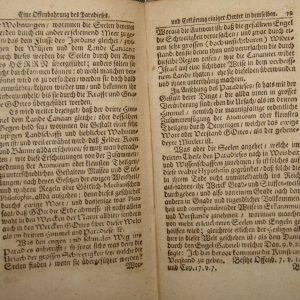
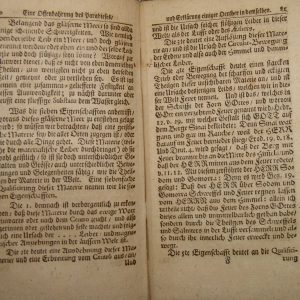
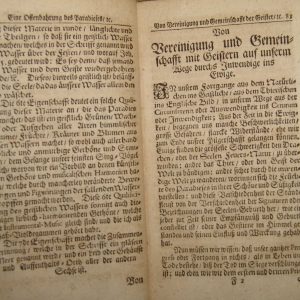
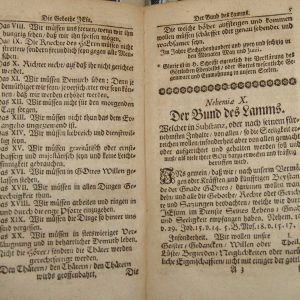
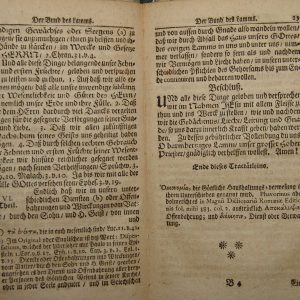
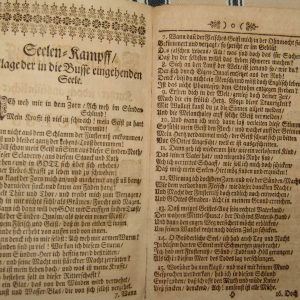
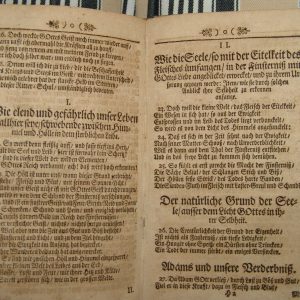
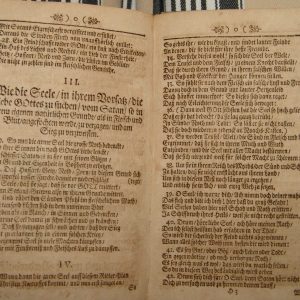
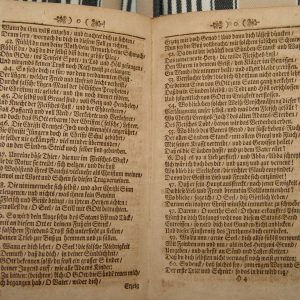
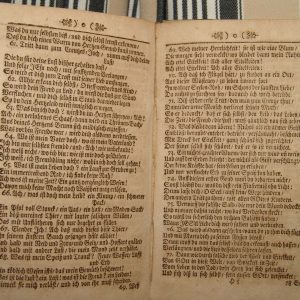
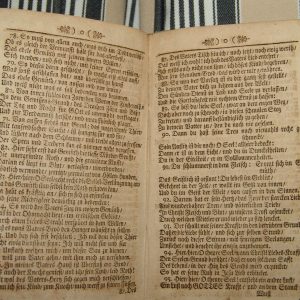
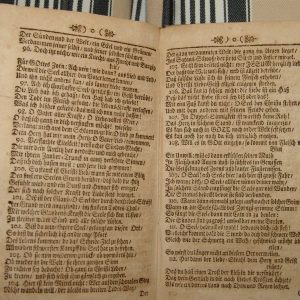
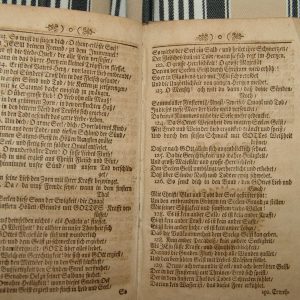
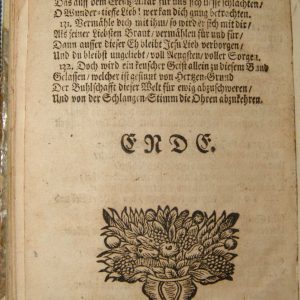
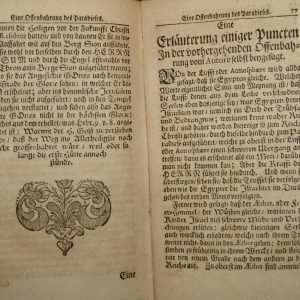
Original German:
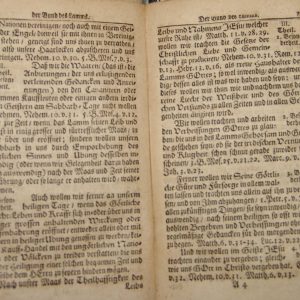
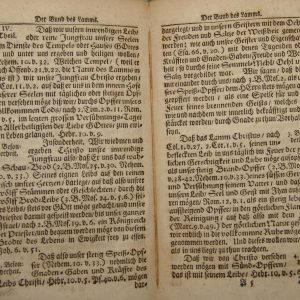
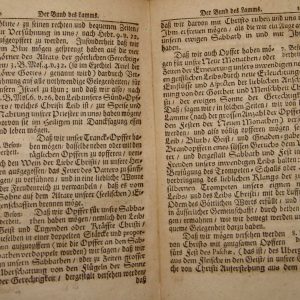
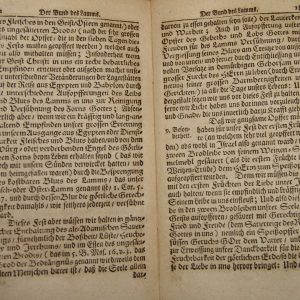
Treatise IX
Treatise II
Seelen-Kampf
***
The Philadelphian We: Three Treatises from the German Editions of Thomas Bromley (1709 & 1714)

Leave a Reply

Your email address will not be published. Required fields are marked *

This site is protected by reCAPTCHA and the Google Privacy Policy and Terms of Service apply.

The reCAPTCHA verification period has expired. Please reload the page.

All rights reserved by Via Hygeia 2022.