
Circle of Transmission: The Living Loom
The Untold Medical Teachings of the Cosmic Movement- Part II — Volume VI: Practical Regimens and Therapeutics
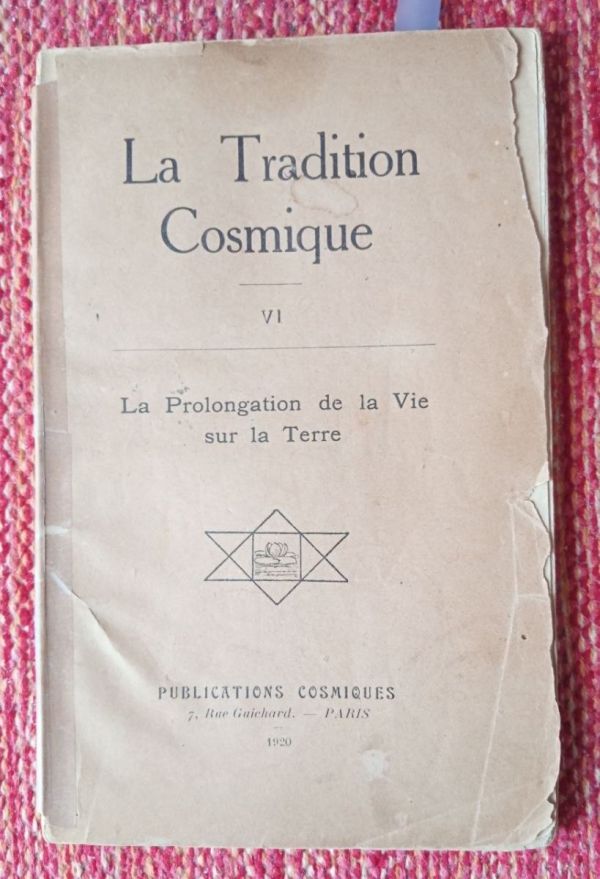
Cover of Volume VI of the Cosmic Tradition, 1920
*
Today’s Sharing from the Blue House is Part 2 of our two-part series about the medical teachings of the Cosmic Movement.
In Part I we recovered the theoretical and medical foundations of the Cosmic Tradition: the fourfold anthropology of the human being, the doctrine of the four bloods, the heart as seat of directing intelligences, the nervous self as intermediary between the degrees of being, and the diagnosis of disease as loss of reception and responsion.
Now, in Part II, we turn from theory to practice:
Volume VI of La Tradition Cosmique, La Prolongation de la Vie sur la Terre, is a manual of therapeutics. It opens with a cosmological diagnosis of atmospheric deterioration; it prescribes the aromatic “chambre de repos” and its breathing exercises; it sets out a cleansing regimen of potions, diets, baths, and onctions; it details the callisthenics of the joints and muscles; it describes the procedure of aurification—the “embalming of the living body”; it recounts four case studies of healing; and it records the comparative methods of other sages and physicians.
This is the first systematic study of these neglected texts. It provides selected passages in French with facing English translation, exegesis, standardized recipes and exercise tables, and a full apparatus of glossaries, tables of correspondences, and biographical notes.
These forgotten volumes are coming out of their dusty slumber.
**
The Art of Prolonging Life:
Regimen, Cleansing, and Aurification in
‘La Prolongation de la Vie sur la Terre’
*
A Contextual Introduction:
From Theory to Practice
1. The Place of Volume VI in the Cosmic Tradition
Volume VI of La Tradition Cosmique, published in Paris in 1920 under the title La Prolongation de la Vie sur la Terre, is the practical counterpart to Volume V. Where Volume V established the medical anthropology of the Cosmic Tradition—the fourfold constitution of the human being, the four bloods, the heart as seat of directing intelligences, the nervous self as intermediary, the nature of disease as loss of reception and responsion—Volume VI provides the concrete means by which health can be preserved, restored, and life prolonged.
The volume is presented as the record of the experiences and researches of Nalefi, a physician and mage who serves Manès, the governor of the land of Khem. Nalefi is commissioned by Manès to study the prolongation of life, and the volume recounts his investigations: his conversations with beings of the rarefactions, his experiments with the cleansing of the body and the preparation of the “chambre de repos,” his discovery of the double ether of fruits and of the amandier amer as a vehicle for cyanogene, and his development of the procedure of aurification—the “embalming of the living body.”
Volume VI is thus a manual of therapeutics, presented in narrative form. It contains detailed regimens: morning potions, diets, evening pills, baths, onctions, breathing exercises, callisthenics, and the procedure of aurification. It also includes case studies of healing and comparative methods attributed to other sages and physicians.
*
2. The Cosmological Diagnosis
Volume VI opens with a cosmological diagnosis. The atmosphere has deteriorated. The sustaining atoms that once nourished the various degrees of the human being have been depleted, and the result is the shortening of human life and the increase of suffering.
The text describes the loss of what it calls the “double ether of fruits” and the depletion of the respirable atmosphere. It recounts how the ancestors of the tradition observed the gradual deterioration of the air, the loss of sustaining constituents, and the consequent decline in human stature and longevity. The diagnosis is not merely medical; it is cosmic. The human being is not a closed system but an open one, constantly exchanging constituents with its environment. When the environment is degraded, the human being is degraded.
This diagnosis sets the task for the rest of the volume. If the atmosphere has deteriorated, the physician must find ways to compensate. If the sustaining constituents are lacking, they must be supplied by other means—through diet, through the preparation of the “chambre de repos,” through the cleansing of the body, and through the procedure of aurification.
3. The Therapeutic System
The therapeutic system of Volume VI is comprehensive. It addresses the body at every level: the physical, the nervous, the psychic, and the mental. It includes:
Cleansing: the purification of the body through potions, diets, baths, and onctions.
Breathing: the preparation of the “chambre de repos” with the double ether of fruits, and the practice of slow, full respirations.
Movement: the daily callisthenics of the joints and muscles to maintain suppleness and aid circulation.
Aurification: the procedure by which the body is prepared for the reception of the “aurum”—the cyanogenated iron that confers incorruptibility.
These practices are not separate. They are integrated into a single system, each supporting the others. Cleansing prepares the body for breathing; breathing prepares it for movement; movement prepares it for aurification. The goal is the restoration of the body to its original condition—the condition of the “glorious body” that the human being has lost.
*
4. The Case Studies
Volume VI includes four detailed case studies:
Arcanus Tipholi, a mage of about sixty-five years, exhausted by poverty, persecution, and disappointment. Treated by cleansing, diet, bloodletting, and aurification; restored to health and vigour within two years.
Ben Yosiah, a young man of nineteen suffering from severe anaemia. Treated by blood infusion from a young athlete, then by cleansing and aurification; restored to full health.
Rayala, a young girl subject to hysterical crises. Treated by cleansing, then by a magnetized open steel circle worn around the waist; gradually restored.
Kreshna, a child whose blood was poisoned before birth. Treated successfully by the cleansing method alone, then restored to moral and physical health through education.
These cases illustrate the principles of the therapeutic system and demonstrate its practical application.
*
5. The Relation of Volume VI to Volume V
Volume VI presupposes Volume V. The therapeutic regimens of Volume VI are intelligible only in light of the medical anthropology of Volume V.
The cleansing of the body is intelligible only if one understands the four bloods and their functions.
The education of the heart is intelligible only if one understands the heart as the seat of directing intelligences.
The aurification is intelligible only if one understands the loss of the “glorious body” and the possibility of its restoration.
Volume V explains what health is and why it matters. Volume VI explains what to do to preserve or restore it. The two volumes are complementary. Together, they constitute the medical core of the Cosmic Tradition.
*
6. Method and Approach
This study approaches Volume VI as a therapeutic manual. It does not treat the text as a repository of timeless truths, nor as a curiosity to be explained away. It treats it as a serious contribution to the history of esoteric medicine, and as an essential source for understanding the Cosmic Movement.
The method is historical, textual, and comparative. It situates the text in its early twentieth-century context. It reads the text closely, attending to its vocabulary and its arguments. And it places the text in dialogue with other therapeutic traditions—naturopathy, hydrotherapy, and early yoga—without reducing it to any of them.
The study does not endorse the practices described in the text, nor does it evaluate their efficacy. Its aim is to understand what the text says about health and healing, why it says it, and how it can be situated within the broader history of alternative medicine and esoteric therapeutics.
*
7. Structure of Part II
Part II is organized as follows. The present Contextual Introduction has established the place of Volume VI in the Cosmic Tradition and outlined its therapeutic system. The chapters that follow present selected material from Volume VI, with facing English translation, followed by exegesis, standardized regimens, and apparatus.
The selected material includes the passages most relevant to the volume’s therapeutic teachings: the cosmological diagnosis, the “chambre de repos” and breathing, the cleansing regimen, the baths and onctions, the callisthenics, the aurification and the embalming of the living body, the case studies, and the comparative methods. Each passage is accompanied by a translation and by notes that clarify its meaning and its context.
The exegesis analyses the selected material in detail, reconstructing the volume’s therapeutic system and its implications for practice. It also places the material in dialogue with the broader history of esoteric and alternative medicine.
The standardized regimens present the recipes, exercises, and procedures in a clear, practical form, with tables and step-by-step instructions.
The apparatus includes a glossary of key terms, tables of correspondences, and biographical notes on the principal figures mentioned in the text.
Chapter 1: The Cosmological Diagnosis
1.1 Selected Material
Excerpt 1.1.1 — The Deterioration of the Atmosphere
French original (pp. 4–5):
« A une certaine époque, pendant notre troisième réincarnation, nous Pathakah ben Abiad et Tadbeth, nous lamentions profondément du raccourcissement de la durée du degré nervo-physique de l’homme : c’est là la plus grande de toutes les peines, car les organes nervo-physiques n’ont pas le temps de s’évoluer pour permettre au corps de répondre à l’impersonnalité Divine, dont il est le principal vêtement et manifestation, et encore moins aux forces universelles. »
English translation:
“At a certain epoch, during our third reincarnation, we, Pathakah ben Abiad and Tadbeth, lamented deeply the shortening of the duration of the nervo-physical degree of man: this is the greatest of all sorrows, for the nervo-physical organs do not have the time to evolve to allow the body to respond to the Divine impersonality, of which it is the principal garment and manifestation, and even less to the universal forces.”
Excerpt 1.1.2 — The Loss of the True Physical Body
French original (p. 5):
« Tout le monde sait ici que la privation du véritable degré physique de l’état physique a assujetti le degré nervo-physique poreux et non protégé à des influences extérieures nuisibles ; d’autre part le fait que la passivité de Kahi lui a été retirée par violence (autant que cela est compatible avec la possibilité de retenir l’être individuel et la forme) l’a privé partiellement de la connaissance et de la puissance terrestres. »
English translation:
“Everyone knows here that the privation of the true physical degree of the physical state has subjected the porous and unprotected nervo-physical degree to harmful exterior influences; on the other hand, the fact that Kahi’s passivity was taken from him by violence (as much as that is compatible with the possibility of retaining the individual being and the form) has partially deprived him of terrestrial knowledge and power.”
Excerpt 1.1.3 — The Removal of Sustaining Atoms
French original (pp. 16–18):
« Le voyant qui dormait toujours dans le degré psychique de raréfaction avait vu quelque chose qui pourrait nous être utile… J’aperçois dans l’atmosphère respirable certains atomes incandescents si minuscules qu’à peine ils sont visibles. Ils se meuvent comme par attraction sur la surface de la terre et ont pénétré dans l’atmosphère respirable, comme si, par direction, ils cherchaient et trouvaient… Dans l’atmosphère respirable, il y a certains atomes qui sont diffusés ; en eux les deux principaux constituants sont combinés dans la proportion de deux à un : les constituants au moment de la combinaison sont décomposés et ce qui paraît être leur médium d’union tombe en minuscules cristaux blancs. Je devine que c’est en raison de la dissolution de ces atomes que le psychique est privé d’allégresse. »
English translation:
“The seer who always slept in the psychic degree of rarefaction had seen something that could be useful to us… I perceive in the respirable atmosphere certain incandescent atoms so minuscule that they are scarcely visible. They move as if by attraction on the surface of the earth and have penetrated into the respirable atmosphere, as if, by direction, they were seeking and finding… In the respirable atmosphere, there are certain atoms that are diffused; in them the two principal constituents are combined in the proportion of two to one: the constituents at the moment of combination are decomposed and what appears to be their medium of union falls into minuscule white crystals. I divine that it is because of the dissolution of these atoms that the psychic is deprived of joy.”
Excerpt 1.1.4 — The Four Species of Atoms and the Depression
French original (p. 21):
« Je perçois que par cette dépression passe continuellement ce que notre compagnon a décrit comme essentiel à la sustentation normale des degrés mental, psychique et nerveux de l’être physique ; à ces trois substances composées s’ajoute une quatrième que je perçois en atomes infinitésimaux et qui est constituée par une partie de la combinaison qui forme la masse de l’atmosphère respirable et trois parties du métal double, léger, gazeux. Ces atomes infinitésimaux sont extraits des constituants de l’atmosphère respirable intégrale et sont attirés avec les trois autres constituants au-dessous de la surface de la terre qui forme le fond de la dépression. »
English translation:
“I perceive that through this depression passes continually what our companion has described as essential to the normal sustenance of the mental, psychic, and nervous degrees of the physical being; to these three composed substances is added a fourth which I perceive in infinitesimal atoms and which is constituted by one part of the combination that forms the mass of the respirable atmosphere and three parts of the double, light, gaseous metal. These infinitesimal atoms are extracted from the constituents of the integral respirable atmosphere and are attracted with the three other constituents below the surface of the earth which forms the bottom of the depression.”
Excerpt 1.1.5 — The Restoration of the Atmosphere
French original (p. 22):
« Or quand nous sûmes ainsi comment les quatre constituants étaient dans les atomes infinitésimaux attirés vers la dépression nous fîmes savoir aux chefs de toutes les hiérarchies sacrées et à tous les évolués ayant des capacités spéciales et qui demeuraient alors en des lieux solitaires, que nous étions entrés dans la dépression et avions bu de l’air vivifié qui était trop pleinement imprégné par les atomes descendants pour qu’on put le respirer continuellement par les narines. »
English translation:
“Now when we knew thus how the four constituents were in the infinitesimal atoms attracted toward the depression, we made known to the chiefs of all the sacred hierarchies and to all the evolved ones having special capacities and who dwelt then in solitary places, that we had entered the depression and had drunk of the vivified air which was too fully impregnated by the descending atoms for one to breathe it continually through the nostrils.”
1.2 Exegesis
The cosmological diagnosis of Volume VI is the foundation of its therapeutic system. It explains why disease is prevalent, why life is shortened, and why the therapeutic regimens are necessary.
The diagnosis has three parts. First, the human being has lost the “true physical body”—the “glorious body” that originally protected the nervo-physical degree from harmful exterior influences. Without this protection, the nervo-physical is porous and vulnerable. Second, the atmosphere has deteriorated. The sustaining atoms that once nourished the various degrees of the being have been depleted, and the result is the impoverishment of the bloods and the weakening of the entire system. Third, the loss of these constituents is not accidental. The text describes a “depression” toward which the sustaining atoms are attracted, a region where they are imprisoned beneath the surface of the earth. This is the work of the “hostile”—the forces that oppose the evolution of the human being and seek to keep it in a state of degradation.
The diagnosis has profound implications for health. If the atmosphere is deficient in the necessary constituents, the bloods will be impoverished. If the bloods are impoverished, the various degrees of the being will be weakened. If the degrees are weakened, disease will ensue. The physician must therefore address the root cause: the loss of sustaining constituents. This can be done in two ways. First, by restoring the atmosphere—by finding the depression where the atoms are imprisoned and releasing them. Second, by compensating for the loss—by providing the missing constituents through diet, through the “chambre de repos,” through the cleansing of the body, and through aurification.
The text also notes that the deterioration of the atmosphere affects different degrees of the being differently. The psychic degree is deprived of joy; the nervous degree is deprived of light; the mental degree is deprived of its sustaining atoms. The result is a general weakening of the entire system. The physician must therefore attend to all the degrees of the being, not merely the nervo-physical.
The diagnosis is not merely descriptive. It is also prophetic. The text holds out the possibility of restoration. The sustaining atoms can be recovered. The atmosphere can be renewed. The human being can be restored to health and longevity. This is the task of the therapeutic project.
1.3 Apparatus
Glossary of Key Terms
True physical body (corps glorieux): The original, immortal body that the human being has lost. Its absence leaves the nervo-physical degree porous and vulnerable.
Nervo-physical degree: The densest degree of the being; the exterior envelope that interacts with the physical world.
Sustaining atoms: The subtle constituents of the atmosphere that nourish the various degrees of the being.
Depression: The region toward which the sustaining atoms are attracted and where they are imprisoned beneath the surface of the earth.
Hostile (l’hostile): The forces or beings that oppose the evolution of the human being and seek to keep it in a state of degradation.
Psychic degree: The degree of the being that governs feeling and joy.
Nervous degree: The degree of the being that serves as the intermediary between the nervo-physical and the psychic.
*
Tables of Correspondences
Table 1.1 — What Each Degree of Being Loses
| Degree of Being | What It Loses | Symptom |
|---|---|---|
| Mental | Sustaining atoms | Weakening of the mental faculties |
| Psychic | Joy | Loss of allégresse |
| Nervous | Light | Weakening of the nervous system |
| Nervo-physical | Protection | Vulnerability to hostile influences |
Table 1.2 — The Four Constituents and the Depression
| Constituent | Description |
|---|---|
| First three substances | Essential to the mental, psychic, and nervous degrees |
| Fourth substance | One part respirable atmosphere + three parts double, light, gaseous metal |
| Destination | Attracted to the depression; imprisoned beneath the earth’s surface |
Bibliographical Note: The cosmological diagnosis is presented in Volume VI, pp. 4–23. The loss of the true physical body is discussed at pp. 4–5. The removal of sustaining atoms is described at pp. 16–21. The depression is described at pp. 21–22.
Chapter 2: The “Chambre de Repos” and Breathing
2.1 Selected Material
Excerpt 2.1.1 — The Preparation of the Chamber
French original (p. 28):
« Ma bien-aimée prit des choses agréables que j’avais préparées et se reposa. Dans le repos elle chanta un petit chant qui s’accordait à la mélodie de ma harpe : “Quand la nuit sera venue, mon bien-aimé, attirez-moi dans notre chambre de repos que j’ai préparée pour que mon repos soit doux et que nous puissions monter les gradations secrètes.” — “Pourquoi monterons-nous les gradations secrètes dans la chambre de repos que ma bien-aimée a préparée ?” — “J’ai pris des amandes douces et amères, j’ai pris des feuilles de laurier-cerise en justes proportions, je les ai placées dans du vin et j’ai versé dessus de l’eau : j’ai placé le vase sur le feu ; par son étroite ouverture le parfum des fruits et des feuilles se mélange continuellement à l’air de la chambre. C’est pourquoi il sera doux notre repos dans lequel nous monterons les gradations secrètes.” »
English translation:
“My beloved took the pleasant things that I had prepared and rested. In the rest she sang a little song that accorded with the melody of my harp: ‘When night has come, my beloved, draw me into our chamber of rest that I have prepared so that my rest may be sweet and we may mount the secret gradations.’ — ‘Why shall we mount the secret gradations in the chamber of rest that my beloved has prepared?’ — ‘I have taken sweet and bitter almonds, I have taken laurel-cherry leaves in just proportions, I have placed them in wine and poured water over them: I have placed the vase on the fire; through its narrow opening the perfume of the fruits and leaves mingles continually with the air of the chamber. That is why our rest will be sweet in which we shall mount the secret gradations.'”
Excerpt 2.1.2 — The Double Ether of Fruits
French original (p. 28):
« — Au degré où nous sommes montés appartient la connaissance qui nous instruira de l’éthel double des fruits ? — Explique-moi, dis-je, par quel moyen je reconnaîtrai ces fruits, pour que j’essaie de sonder leurs vertus. — Leur parfum est le parfum des parfums et de leur dualité la passivité affecte un rayon de lumière polarisée. »
English translation:
“— To the degree to which we have mounted belongs the knowledge that will instruct us concerning the double ether of fruits? — Explain to me, I said, by what means I shall recognize these fruits, so that I may try to sound their virtues. — Their perfume is the perfume of perfumes and of their duality the passivity affects a ray of polarized light.”
Excerpt 2.1.3 — The Practice of Breathing
French original (pp. 28–29):
« Préparons-nous de l’air et respirons-le avec des respirations douces mais pleines de manière que les quatre sangs puissent trouver assez pour la sustentation. Pénétrons des forces mentales, psychiques, nerveuses et nervo-physiques les degrés de raréfaction de l’air, un à un, chacun à part. Et buvons-en comme de l’eau à travers une paille. A midi et à minuit et du matin au soir, buvons-en pour que notre être intégral soit perpétué, ou que notre être nerveux psychique et mental, ou sinon nos degrés psychique et mental, ou tout au moins notre degré mental vivent dans la force individuelle et soient revêtus jusqu’à ce que le mortel revête l’immortalité. »
English translation:
“Let us prepare air for ourselves and breathe it with soft but full respirations so that the four bloods may find enough for sustenance. Let us penetrate the degrees of rarefaction of the air with mental, psychic, nervous, and nervo-physical forces, one by one, each separately. And let us drink of it as of water through a straw. At noon and at midnight and from morning to evening, let us drink of it so that our integral being may be perpetuated, or that our nervous, psychic, and mental being, or if not our psychic and mental degrees, or at least our mental degree may live in the individual force and be clothed until the mortal puts on immortality.”
Excerpt 2.1.4 — The Restoration of the Atmosphere
French original (p. 29):
« Je chantai aux harpistes, mes confrères, de la mortalité et de l’immortalité. Ils dirent : “Dites-nous comment utiliser cette connaissance. Comment réaliserons-nous cette conception ?” — “J’ai semé de bonnes graines, répondis-je ; vous êtes le sol ; selon ce que vous fournirez sera la germination, la croissance et le perfectionnement.” »
English translation:
“I sang to the harpists, my confreres, of mortality and immortality. They said: ‘Tell us how to use this knowledge. How shall we realize this conception?’ — ‘I have sown good seeds, I replied; you are the soil; according to what you furnish will be the germination, the growth, and the perfectionment.'”
2.2 Exegesis
The “chambre de repos” is the central practice of Volume VI’s therapeutic system. It is a physical space prepared with aromatic substances—sweet and bitter almonds, laurel-cherry leaves, wine, and water—heated so that their perfume fills the air. Those who rest in this chamber breathe slowly and deeply, allowing the aromatic vapours to penetrate the various degrees of their being.
The practice is grounded in the cosmology of the text. The atmosphere has deteriorated; the sustaining atoms have been depleted. But the double ether of fruits can supply what the atmosphere lacks. The perfume of the fruits is “the perfume of perfumes,” and its duality affects a ray of polarized light. This is not merely a poetic image; it is a description of a subtle physiological process. The aromatic vapours carry the constituents that the various degrees of the being need to maintain their integrity.
The practice is also grounded in the anthropology of Volume V. The four bloods—nervo-physical, nervous, psychic, and mental—require different constituents for their sustenance. The breathing exercises of the “chambre de repos” are designed to supply these constituents. The practitioner breathes “with soft but full respirations” so that “the four bloods may find enough for sustenance.” He penetrates “the degrees of rarefaction of the air, one by one, each separately,” with the corresponding forces of his being. This is a highly deliberate practice, requiring attention and concentration.
The goal of the practice is the perpetuation of the integral being. The text states: “Let us drink of it so that our integral being may be perpetuated, or that our nervous, psychic, and mental being… may live in the individual force and be clothed until the mortal puts on immortality.” The practice is thus not merely therapeutic; it is soteriological. It aims at the transformation of the mortal into the immortal.
The “chambre de repos” is therefore the heart of the practical system of Volume VI. It is the place where the deteriorated atmosphere is compensated for, where the depleted constituents are supplied, and where the being is prepared for the further practices of cleansing, callisthenics, and aurification.
2.3 Standardized Practice
2.3.1 Preparation of the Chamber
Ingredients:
Ingredient Quantity:
Sweet almonds As needed
Bitter almonds As needed
Laurel-cherry leaves In just proportions
Wine As needed
Water As needed
Method: Place the ingredients in a vase, pour water over them, and heat. The perfume fills the air of the chamber through the narrow opening.
Practical Notes: The chamber should be well enclosed so that the perfume does not escape. The practitioner should remain in the chamber for a sufficient time to allow the aromatic vapours to penetrate the various degrees of the being. The practice is best performed at night, before sleep, or in the early morning.
*
2.3.2 The Breathing Exercise
Posture: Seated or reclining, in a comfortable position.
Breathing: Soft but full respirations. The breath should be gentle, without strain, but deep enough to fill the lungs completely.
Penetration: With each breath, the practitioner visualizes or “sentientes” the penetration of the degrees of rarefaction of the air—one by one, each separately. The mental, psychic, nervous, and nervo-physical forces are directed toward the corresponding degrees of the air.
Timing: Noon, midnight, morning, and evening.
Duration: As long as comfortable. The practice should not be forced.
Goal: The perpetuation of the integral being—the clothing of the mortal with immortality.
2.4 Apparatus
Glossary of Key Terms
Chambre de repos: A chamber prepared with aromatic substances (sweet and bitter almonds, laurel-cherry leaves, wine, water) heated so that their perfume fills the air. Used for breathing exercises and rest.
Double ether of fruits (éthel double des fruits): The subtle constituent of fruits that supplies what the deteriorated atmosphere lacks. Its perfume is “the perfume of perfumes.”
Respirations douces mais pleines: Soft but full respirations; the breathing technique used in the “chambre de repos.”
Four bloods: The nervo-physical, nervous, psychic, and mental bloods. Each requires different constituents for its sustenance.
Degrees of rarefaction of the air: The subtle levels of the atmosphere that correspond to the various degrees of the being.
*
Tables of Correspondences
Table 2.1 — Ingredients for the Preparation of the Chamber
| Ingredient | Quantity |
|---|---|
| Sweet almonds | As needed |
| Bitter almonds | As needed |
| Laurel-cherry leaves | In just proportions |
| Wine | As needed |
| Water | As needed |
Table 2.2 — Substances and Their Functions
| Substance | Function |
|---|---|
| Sweet almonds | Source of the double ether; nourishing |
| Bitter almonds | Source of cyanogene; cleansing, preserving |
| Laurel-cherry leaves | Aromatic; enhances the action of the almonds |
| Wine | Vehicle for the aromatic substances |
| Water | Moderates the heat; carries the perfume |
Table 2.3 — The Practice of Breathing
| Element | Description |
|---|---|
| Breathing | Soft but full respirations |
| Penetration | Degrees of rarefaction, one by one |
| Timing | Noon, midnight, morning, evening |
| Goal | Perpetuation of the integral being |
Bibliographical Note:
The “chambre de repos” and breathing exercises are described in Volume VI, pp. 24–29. The preparation of the chamber is at p. 28. The breathing practice is at pp. 28–29.
Chapter 3: The Cleansing Regimen
3.1 Selected Material
Excerpt 3.1.1 — The Art of Cleansing the Living Body
French original (p. 60):
« L’art de nettoyer le corps vivant pour le préparer à être embaumé, comme ce fut pratiqué par le médecin chaldéen Shulem. Au commencement de la lune, à l’époque où les amandiers se mettent en fleurs, levez-vous avec le soleil et en vous levant buvez, si vous le pouvez sans malaise, le tiers d’un litre de la mixture suivante : Eau pure sans mélange à laquelle est ajoutée une seizième partie de sa mesure de sel marin pur et propre, douze gouttes d’ammoniaque, douze gouttes d’esprit de camphre et douze gouttes de teinture de myrrhe. Le sel, préalablement pilé finement doit être d’abord complètement dissous dans l’eau pure sans mélange, puis l’ammoniaque, le camphre et la myrrhe sont ajoutés, et la mixture est bue immédiatement après le mélange. »
English translation:
“The art of cleansing the living body to prepare it to be embalmed, as it was practised by the Chaldean physician Shulem. At the beginning of the moon, at the epoch when the almond trees begin to flower, rise with the sun and on rising drink, if you can do so without discomfort, a third of a litre of the following mixture: Pure water without mixture to which is added a sixteenth part of its measure of pure and clean sea salt, twelve drops of ammonia, twelve drops of spirit of camphor, and twelve drops of tincture of myrrh. The salt, previously finely pounded, must first be completely dissolved in the pure water without mixture, then the ammonia, camphor, and myrrh are added, and the mixture is drunk immediately after mixing.”
Excerpt 3.1.2 — The Diet
French original (pp. 60–61):
« Faites ensuite un bon, mais pas trop violent, exercice, en plein air pendant une demi-heure, et prenez le premier repas pour lequel rien n’est meilleur que du lait et du vin blanc doux, pur et bon. Après le repas du soir prenez trois grains d’aloès, deux de myrrhe et un de casse des parfums. Continuez ce traitement de nettoyage pendant neuf lunes. Pendant ce temps comme d’ailleurs en tout temps, une nourriture liquide ou molle, telle que des légumes verts et des fruits à pulpe bien mûrs est préférable à une nourriture demandant une mastication laborieuse. Toute monotonie doit être évitée, parce qu’elle fait décroître le plaisir de la nourriture essentiel pour que la digestion soit complète. Les mets et boissons qui suivent sont excellents : du vin blanc pur adouci et mélangé de toutes sortes d’épices aromatiques salutaires (le carvi est l’épice par excellence, vient ensuite en vertu le gingembre blanc pur et la cannelle) ; du lait chaud avec ou sans épices ; du vin blanc adouci ou non ; du lait chaud avec sel et poivre ; toutes sortes de fruits à pleine maturité ; les plus précieux sont la pomme et le citron ; toutes sortes de légumes verts dont les plus précieux sont les variétés de choux et d’épinards ; toutes les graines alimentaires dont la plus précieuse est la lentille. A ceci on peut ajouter tous les liquides nutritifs et les œufs de tous les oiseaux domestiques qui peuvent être légèrement cuits mais sont bien meilleurs battus avec du vin ou du lait ou pris dans leur état naturel : gobés dans leur coque avec un peu de sel ils sont plus nourrissants et plus faciles à assimiler. »
English translation:
“Then take good but not too violent exercise in the open air for half an hour, and take the first meal for which nothing is better than milk and pure, good, sweet white wine. After the evening meal take three grains of aloes, two of myrrh, and one of cassia of perfumes. Continue this cleansing treatment for nine moons. During this time, as indeed at all times, liquid or soft food, such as green vegetables and well-ripened pulpy fruits, is preferable to food requiring laborious mastication. All monotony must be avoided, because it decreases the pleasure of food, which is essential for digestion to be complete. The following dishes and drinks are excellent: pure white wine sweetened and mixed with all sorts of wholesome aromatic spices (caraway is the spice par excellence, followed in virtue by pure white ginger and cinnamon); hot milk with or without spices; sweetened or unsweetened white wine; hot milk with salt and pepper; all sorts of fully ripe fruits; the most precious are the apple and the lemon; all sorts of green vegetables of which the most precious are the varieties of cabbage and spinach; all alimentary seeds of which the most precious is the lentil. To this may be added all nutritive liquids and the eggs of all domestic birds, which may be lightly cooked but are much better beaten with wine or milk or taken in their natural state: swallowed in their shell with a little salt they are more nourishing and easier to assimilate.”
Excerpt 3.1.3 — The Duration of the Cleansing
French original (p. 60):
« Continuez ce traitement de nettoyage pendant neuf lunes. »
English translation:
“Continue this cleansing treatment for nine moons.”
3.2 Exegesis
The cleansing regimen is the foundation of the therapeutic system of Volume VI. It prepares the body for the further practices of breathing, callisthenics, and aurification. Without cleansing, the other practices cannot be effective.
The regimen is attributed to Shulem, a Chaldean physician. It is to be begun “at the beginning of the moon, at the epoch when the almond trees begin to flower”—that is, in the spring, when the vital forces are rising. The timing is significant. The cleansing is not a matter of mere hygiene; it is a practice attuned to the rhythms of nature.
The morning potion is the centrepiece of the regimen. It consists of pure water, sea salt, ammonia, camphor, and myrrh. Each ingredient has a specific function. The salt dissolves the constituents that need to be eliminated. The ammonia cleanses the channels. The camphor cools and soothes. The myrrh preserves and strengthens. The potion is to be taken “if you can do so without discomfort”—a recognition that the regimen must be adapted to the individual.
The diet is carefully specified. It emphasizes liquid and soft foods, green vegetables, ripe fruits, lentils, and eggs. It prohibits nothing except what is indigestible. It warns against monotony, because monotony decreases the pleasure of food, which is essential for digestion. The diet is thus not merely a list of permitted and prohibited items; it is a practice of attention to the pleasures of eating.
The evening pills complement the morning potion. The aloes are a mild purgative; the myrrh preserves and strengthens; the cassia is aromatic and soothing. The pills are to be taken after the last meal of the day, so that their action occurs during sleep.
The nine moons correspond to the period of gestation. The cleansing is a rebirth, a preparation for the new life that the aurification will make possible. The number nine is significant: it is the number of months of human gestation, and it marks the period during which the body is prepared for its transformation.
The regimen is not merely a collection of recipes. It is a coherent practice, grounded in the medical anthropology of Volume V. The morning potion, the diet, and the evening pills work together to purify the body, to cleanse the channels, and to prepare the ground for the reception of the aurum. The cleansing is thus the first stage of the therapeutic project—the stage in which the body is made ready for its transformation.
3.3 Standardized Regimen
3.3.1 The Morning Potion
Ingredients:
| Ingredient | Quantity |
|---|---|
| Pure water | 1 litre (approx.) |
| Sea salt (finely pounded) | 1/16 of the water’s measure |
| Ammonia | 12 drops |
| Spirit of camphor | 12 drops |
| Tincture of myrrh | 12 drops |
Method: Dissolve the salt completely in the water. Add the ammonia, camphor, and myrrh. Drink immediately.
Dose: One third of a litre, on rising, if it can be taken without discomfort.
Timing: At the beginning of the moon, when the almond trees begin to flower (spring).
Duration: Nine moons.
3.3.2 The Diet
| Category | Recommended | Most Precious |
|---|---|---|
| Liquids | White wine (sweetened or not), hot milk, nutritive liquids | — |
| Spices | Caraway, white ginger, cinnamon | Caraway |
| Fruits | All fully ripe fruits | Apple, lemon |
| Vegetables | All green vegetables | Cabbage, spinach |
| Seeds | All alimentary seeds | Lentil |
| Eggs | Lightly cooked, beaten with wine or milk, or raw with salt | — |
Principle: Liquid or soft food is preferable to food requiring laborious mastication. Monotony must be avoided, as it decreases the pleasure of food, which is essential for complete digestion.
3.3.3 The Evening Pills
| Ingredient | Quantity |
|---|---|
| Aloes | 3 grains |
| Myrrh | 2 grains |
| Cassia of perfumes | 1 grain |
Method: Take as pills, after the evening meal.
3.4 Apparatus
Glossary of Key Terms
-
Cleansing (nettoyage): The purification of the body through potions, diets, baths, and onctions. It prepares the body for breathing, movement, and aurification.
-
Shulem: The Chaldean physician to whom the cleansing regimen is attributed.
-
Morning potion: The mixture of pure water, sea salt, ammonia, camphor, and myrrh, taken on rising.
-
Evening pills: The mixture of aloes, myrrh, and cassia, taken after the evening meal.
-
Nine moons: The duration of the cleansing regimen; corresponds to the period of human gestation.
-
Aloes: A mild purgative; one of the ingredients of the evening pills.
-
Myrrh: A preservative and strengthening substance; found in both the morning potion and the evening pills.
-
Camphor: A cooling and soothing substance; one of the ingredients of the morning potion.
-
Cassia of perfumes: An aromatic and soothing substance; one of the ingredients of the evening pills.
Tables of Correspondences
Table 3.1 — The Practices of the Cleansing Regimen
| Practice | Frequency | Ingredients |
|---|---|---|
| Morning potion | Daily on rising | Water, sea salt, ammonia, camphor, myrrh |
| Evening pills | Daily after evening meal | Aloes, myrrh, cassia |
| Diet | Daily | Liquids, green vegetables, ripe fruits, seeds, eggs |
Table 3.2 — The Foods of the Cleansing Diet and Their Properties
| Food | Properties |
|---|---|
| Milk | Nourishing, soothing |
| White wine | Strengthening, aiding digestion |
| Green vegetables | Cleansing, nourishing |
| Ripe fruits | Nourishing, pleasurable |
| Lentils | Most precious of seeds |
| Eggs | Nourishing, easy to assimilate |
| Spices (caraway, ginger, cinnamon) | Aiding digestion, pleasurable |
Table 3.3 — The Ingredients of the Morning Potion and Their Functions
| Ingredient | Function |
|---|---|
| Pure water | Vehicle; dissolves the salt |
| Sea salt | Dissolves the constituents to be eliminated |
| Ammonia | Cleanses the channels |
| Spirit of camphor | Cools and soothes |
| Tincture of myrrh | Preserves and strengthens |
Table 3.4 — The Ingredients of the Evening Pills and Their Functions
| Ingredient | Quantity | Function |
|---|---|---|
| Aloes | 3 grains | Mild purgative |
| Myrrh | 2 grains | Preserves and strengthens |
| Cassia of perfumes | 1 grain | Aromatic and soothing |
Biographical Note
-
Shulem: A Chaldean physician to whom the cleansing regimen is attributed. His method is transmitted in Volume VI through the scroll that Nalefia copies from the transcription of the young boy of the snow chamber. He is presented as a master of the art of cleansing the living body, and his regimen is adopted by Nalefi as the foundation of the therapeutic system.
Bibliographical Note
The cleansing regimen is described in Volume VI, pp. 60–65. The morning potion is at p. 60. The diet is at pp. 60–61. The duration of the cleansing is stated at p. 60.
Chapter 4: The Baths and Onctions
4.1 Selected Material
Excerpt 4.1.1 — The Bath
French original (p. 61):
« Pendant ces neuf lunes, il faut prendre un bain chaud du même mélange chaque septième jour, pendant vingt minutes, avec ces seules différences que la proportion d’ammoniaque doit être réduite d’un quart et celle de la myrrhe doublée. Après le bain, le baigneur doit mettre un ample vêtement de laine fine et douce avec un capuchon pour couvrir la tête. Boire un peu de vin fortement épicé mélangé avec du lait et, sur une couche confortable pourvue de chaudes couvertures de laine, se reposer ou dormir aussi longtemps qu’on y trouve plaisir. Des eaux pétillantes doivent être placées près de lui pour qu’il puisse boire abondamment s’il a soif. »
English translation:
“During these nine moons, one must take a hot bath of the same mixture every seventh day, for twenty minutes, with these sole differences: that the proportion of ammonia must be reduced by a quarter and that of myrrh doubled. After the bath, the bather must put on an ample garment of fine, soft wool with a hood to cover the head. Drink a little strongly spiced wine mixed with milk and, on a comfortable couch provided with warm woollen covers, rest or sleep as long as one finds pleasure in it. Sparkling waters must be placed near him so that he may drink abundantly if thirsty.”
Excerpt 4.1.2 — The Onction
French original (p. 61):
« Après le repos suivant le bain, on peut appliquer cette onction à la surface du corps et comme pour un vernis appliqué sur un bois à fines nervures, on le laissera sécher avant de s’habiller. Si le temps est froid, on doit prendre soin de chauffer la salle des bains par un feu de bois dans l’âtre d’une cheminée ouverte. Si le baigneur après son repos s’éveille couvert de transpiration, ce qui est une preuve de faiblesse, il faut prendre soin que la surface de son corps ne soit pas exposée au froid jusqu’à ce que la transpiration ait disparu. Le corps sera doucement et entièrement frotté avec un chiffon de laine douce avant de pratiquer l’onction. »
English translation:
“After the rest following the bath, one may apply this unction to the surface of the body and, as with a varnish applied to fine-grained wood, let it dry before dressing. If the weather is cold, care must be taken to heat the bath room with a wood fire in the hearth of an open fireplace. If the bather after his rest wakes covered in perspiration, which is a proof of weakness, care must be taken that the surface of his body is not exposed to the cold until the perspiration has disappeared. The body will be gently and entirely rubbed with a soft woollen cloth before applying the unction.”
Excerpt 4.1.3 — The Onction Recipe
French original (p. 65):
« Onction pour le corps : Huile d’amandes amères (pure) à laquelle on ajoute quelques gouttes de teinture de myrrhe et de teinture de benjoin. »
English translation:
“Onction for the body: Oil of bitter almonds (pure) to which are added a few drops of tincture of myrrh and tincture of benzoin.”
Excerpt 4.1.4 — The Onction for Those Without a Servant
French original (p. 65):
« Ceux qui n’ont pas de serviteur ou qui trouvent l’onction trop coûteuse peuvent oindre seulement la peau au niveau des poumons, c’est-à-dire de la clavicule aux côtes inférieures, et les articulations. Pour cela il suffit d’une brosse fixée à un court manche recourbé. »
English translation:
“Those who have no servant or who find the onction too costly can anoint only the skin at the level of the lungs—that is, from the clavicle to the lower ribs—and the joints. For this a brush fixed to a short curved handle suffices.”
4.2 Exegesis
The baths and onctions are an integral part of the cleansing regimen. They complement the morning potion and the evening pills, and they prepare the body for the further practices of breathing, callisthenics, and aurification.
The bath repeats the ingredients of the morning potion, with the ammonia reduced and the myrrh doubled. The reduction of ammonia makes the bath gentler; the doubling of myrrh strengthens its preserving action. The bath is taken every seventh day—a rhythm of rest and renewal. The practice is designed to open the pores, cleanse the channels, and restore the vitality of the body.
The aftercare is specified in detail. The bather must put on an ample garment of fine, soft wool with a hood to cover the head. He must drink a little strongly spiced wine mixed with milk. He must rest or sleep on a comfortable couch provided with warm woollen covers, for as long as he finds pleasure in it. Sparkling waters must be placed near him so that he may drink abundantly if thirsty. Every detail is designed to protect the body in its state of openness, to warm it, to restore it, and to prevent the cold from entering through the pores that the bath has opened.
The onctions are applied after the bath and the rest. They consist of bitter almond oil, myrrh, and benzoin. They are applied to the surface of the body “as a varnish applied to fine-grained wood.” The image is significant. The onction is not merely a cosmetic; it is a protection against the hostile influences that would otherwise invade the body. The bitter almond oil is the vehicle of cyanogene; the myrrh and benzoin preserve and strengthen. The text is explicit that the body must be dried and gently rubbed with a soft woollen cloth before the onction is applied, and that the room must be kept warm if the weather is cold.
The text is also attentive to practical constraints. Those who cannot afford a full onction, or who have no one to assist them, can anoint the most important areas: the lungs and the joints. The lungs are the seat of respiration, the point at which the atmosphere enters the body; the joints are the points of movement, the places where the bloods are most likely to stagnate. To anoint these is to protect the two most vital centres of the body. This is a significant concession: the therapeutic system is not reserved for the wealthy or the assisted. It is adaptable to the conditions of ordinary life.
The baths and onctions thus form a coherent practice of purification, protection, and strengthening. They are the second stage of the therapeutic project—the stage in which the body, having been cleansed from within by the potion and the pills, is cleansed from without by the bath and sealed by the onction.
4.3 Standardized Regimen
4.3.1 The Bath
Ingredients:
| Ingredient | Quantity |
|---|---|
| Pure water | 6 litres (approx.) |
| Sea salt | 1/16 of the water’s measure |
| Ammonia | 9 drops (reduced by a quarter) |
| Spirit of camphor | 12 drops |
| Tincture of myrrh | 24 drops (doubled) |
Method: Bathe in the hot mixture for twenty minutes. After the bath, put on an ample garment of fine, soft wool with a hood. Drink a little strongly spiced wine mixed with milk. Rest or sleep on a comfortable couch with warm woollen covers. Place sparkling waters nearby for thirst.
Frequency: Every seventh day, during the nine moons of the cleansing regimen.
Precautions: If the weather is cold, heat the bath room with a wood fire in an open fireplace. If the bather wakes covered in perspiration, keep the body covered until the perspiration has disappeared.
*
4.3.2 The Onction
Ingredients:
| Ingredient | Quantity |
|---|---|
| Oil of bitter almonds (pure) | As needed |
| Tincture of myrrh | A few drops |
| Tincture of benzoin | A few drops |
Method: After the rest following the bath, dry the body gently and entirely with a soft woollen cloth. Apply the onction to the surface of the body, as a varnish is applied to fine-grained wood. Let it dry before dressing.
*
4.3.3 The Onction for Those Without a Servant
Method: Anoint only the skin at the level of the lungs (from the clavicle to the lower ribs) and the joints. Use a brush fixed to a short curved handle.
Rationale: The lungs are the seat of respiration; the joints are the points of movement. To anoint these is to protect the two most vital centres of the body, at minimal cost and without assistance.
4.4 Apparatus
Glossary of Key Terms
-
Bath (bain): The hot bath of the same mixture as the morning potion, taken every seventh day during the nine moons of the cleansing regimen. The ammonia is reduced by a quarter and the myrrh doubled.
-
Onction (onction): The application of bitter almond oil, myrrh, and benzoin to the surface of the body after the bath. It protects the body from hostile influences and strengthens it.
-
Varnish (vernis): The image used to describe the onction. It seals the body and protects it from external influences, as a varnish seals and protects fine-grained wood.
-
Bitter almond oil (huile d’amandes amères): The vehicle of cyanogene in the onction; it is pure and applied to the skin.
-
Benzoin (benjoin): A resinous substance added to the onction for its preserving and strengthening properties.
-
Simplified onction: The onction applied only to the lungs (from the clavicle to the lower ribs) and the joints, for those who have no servant or who find the full onction too costly.
-
Sparkling waters (eaux pétillantes): Light, effervescent waters placed near the bather after the bath, to be drunk abundantly if thirsty.
*
Tables of Correspondences
Table 4.1 — The Practices of Bathing and Onction
| Practice | Frequency | Ingredients |
|---|---|---|
| Bath | Every seventh day | Water, sea salt, ammonia, camphor, myrrh |
| Onction | After bath | Bitter almond oil, myrrh, benzoin |
| Onction (simplified) | After bath | Same, applied to lungs and joints only |
Table 4.2 — The Ingredients of the Bath and Their Functions
| Ingredient | Quantity | Function |
|---|---|---|
| Pure water | 6 litres (approx.) | Vehicle; carries the other ingredients |
| Sea salt | 1/16 of the water’s measure | Dissolves the constituents to be eliminated; opens the pores |
| Ammonia | 9 drops (reduced by a quarter) | Cleanses the channels; gentler than in the morning potion |
| Spirit of camphor | 12 drops | Cools and soothes |
| Tincture of myrrh | 24 drops (doubled) | Preserves and strengthens; reinforced for the bath |
Table 4.3 — The Ingredients of the Onction and Their Functions
| Ingredient | Quantity | Function |
|---|---|---|
| Oil of bitter almonds (pure) | As needed | Vehicle of cyanogene; nourishes and protects the skin |
| Tincture of myrrh | A few drops | Preserves and strengthens |
| Tincture of benzoin | A few drops | Preserves and strengthens; seals the skin |
Table 4.4 — The Aftercare Following the Bath
| Element | Description |
|---|---|
| Clothing | Ample garment of fine, soft wool with a hood to cover the head |
| Drink | A little strongly spiced wine mixed with milk |
| Rest | On a comfortable couch with warm woollen covers, for as long as one finds pleasure |
| Water | Sparkling waters placed nearby, to be drunk abundantly if thirsty |
| Precautions | Heat the bath room if cold; keep the body covered if perspiring |
Table 4.5 — The Two Forms of Onction
| Form | Areas Anointed | Conditions |
|---|---|---|
| Full onction | Entire surface of the body | Requires a servant or sufficient means |
| Simplified onction | Lungs (clavicle to lower ribs) and joints | For those without a servant or of limited means |
Biographical Note
-
Nalefi: The narrator of Volume VI, a physician and mage serving Manès. He adopts the cleansing regimen of Shulem and integrates the baths and onctions into the therapeutic system. He is careful to adapt the regimen to the conditions of ordinary life, providing a simplified onction for those without a servant or of limited means.
Bibliographical Note
The baths and onctions are described in Volume VI, p. 61. The onction recipe is at p. 65. The simplified onction for those without a servant is at p. 65. The aftercare following the bath is described at p. 61.
Chapter 5: The Callisthenics
5.1 Selected Material
Excerpt 5.1.1 — General Principles
French original (p. 65):
« Les Mouvements quotidiens — ou mieux matin et soir — des articulations contribuent à leur bien-être et entretiennent leur souplesse. Ceci aide grandement à la circulation rapide et continue du sang et ne doit pas être négligé. Une description détaillée de la manière de faire cet exercice sera donc donnée ici ; au début il ne sera pas facile de suivre minutieusement ces directions, mais comme en toutes choses, cela deviendra très aisé avec un peu de pratique. »
English translation:
“Daily movements—or better morning and evening—of the joints contribute to their well-being and maintain their suppleness. This greatly aids the rapid and continuous circulation of the blood and must not be neglected. A detailed description of the manner of performing this exercise will therefore be given here; at first it will not be easy to follow these directions minutely, but as in all things, it will become very easy with a little practice.”
Excerpt 5.1.2 — The Exercises for the Fingers
French original (p. 66):
« Les articulations secondes et centrales des quatre doigts de la main gauche sont tenues fermement dans la droite, le pouce les couvrant et les immobilisant. Mouvoir alors aussi complètement que possible, de vingt à cinquante fois, les extrémités des doigts. Même opération pour le pouce. 2. Maintenir les articulations des doigts à la main et mobiliser les articulations moyennes, 50 fois. Ce mouvement est facile. 3. Le poignet est maintenu par la main droite comme dans un bracelet, et les articulations des doigts à la main sont mobilisées toutes ensembles, y compris le pouce, la main s’ouvrant et se fermant avec le moindre mouvement du poignet. Deuxième mouvement : Les doigts et le pouce sont écartés autant que possible puis rapprochés, de dix à cinquante fois. »
English translation:
“The second and central joints of the four fingers of the left hand are held firmly in the right hand, the thumb covering them and immobilizing them. Then move the extremities of the fingers as completely as possible, from twenty to fifty times. Same operation for the thumb. 2. Maintain the joints of the fingers in the hand and mobilize the middle joints, 50 times. This movement is easy. 3. The wrist is held by the right hand as in a bracelet, and the joints of the fingers in the hand are mobilized all together, including the thumb, the hand opening and closing with the slightest movement of the wrist. Second movement: The fingers and thumb are spread as far as possible then brought together, from ten to fifty times.”
Excerpt 5.1.3 — The Exercises for the Wrists
French original (p. 66):
« 1er mouvement : Les deux poignets sont tournés en arrière et en avant de sorte que les doigts montent et descendent. 2e mouvement : Le bras gauche maintenu fermement par la main droite au dessus de l’articulation du poignet, la main à plat est mobilisée de côté en gardant autant que possible l’immobilité du bras. Même mouvement pour la main droite. »
English translation:
“1st movement: The two wrists are turned backward and forward so that the fingers rise and fall. 2nd movement: The left arm held firmly by the right hand above the wrist joint, the flat hand is mobilized from side to side while keeping the arm as immobile as possible. Same movement for the right hand.”
Excerpt 5.1.4 — The Exercises for the Elbows
French original (p. 66):
« 1er mouvement. Les mains étant tendues, porter alternativement en haut la paume et le revers de la main. 2e mouvement : Les coudes restant fermement contre les côtés du corps, toucher alternativement la partie extérieure des cuisses avec le revers des doigts, puis l’épaule avec le devant des doigts. 3e mouvement : Les coudes demeurés dans la même position, étendre les avant bras en avant, les paumes des mains en dessus : amener en contact les pointes des petits doigts en rejetant en arrière les avant bras, aussi loin que possible, en les laissant en position horizontale, les paumes des mains en dessus. »
English translation:
“1st movement. The hands being extended, alternately raise the palm and the back of the hand. 2nd movement: The elbows remaining firmly against the sides of the body, alternately touch the outer part of the thighs with the back of the fingers, then the shoulder with the front of the fingers. 3rd movement: The elbows remaining in the same position, extend the forearms forward, the palms of the hands upward: bring the tips of the little fingers into contact while throwing the forearms backward as far as possible, leaving them in a horizontal position, the palms of the hands upward.”
Excerpt 5.1.5 — The Exercises for the Shoulders
French original (pp. 66–67):
« 1er mouvement : Les bras sont étendus de côté horizontalement, les paumes des mains en dessus. Lever les bras de manière que les doigts se rencontrent au dessus de la tête. Les baisser ensuite, de sorte que les revers des mains soient entre la cuisse et le genou. Commencer le mouvement lentement, terminer rapidement. 2e mouvement : Les bras étendus droit en avant, les paumes des mains en dessus, les petits doigts et les côtés des paumes se joignant. Dans cette position lever et baisser les bras aussi loin que possible. 3e mouvement : Les bras étendus droit en avant avec les paumes des mains se joignant. Ils sont alors rejetés en arrière, aussi loin que possible, sans aucun mouvement des articulations des doigts, des poignets ou des coudes. 4e mouvement : Les bras pendant naturellement le long du corps, les épaules sont mobilisées en arrière et en avant, horizontalement. Ce mouvement doit s’acquérir graduellement, de manière à ne causer aucune incommodité ou fatigue. 5e mouvement : Les bras pendant naturellement le long du corps sont lancés, tournant comme des roues. »
English translation:
“1st movement: The arms are extended horizontally to the sides, the palms of the hands upward. Raise the arms so that the fingers meet above the head. Then lower them, so that the backs of the hands are between the thigh and the knee. Begin the movement slowly, end rapidly. 2nd movement: The arms extended straight forward, the palms of the hands upward, the little fingers and the sides of the palms joining. In this position raise and lower the arms as far as possible. 3rd movement: The arms extended straight forward with the palms of the hands joining. They are then thrown backward as far as possible, without any movement of the joints of the fingers, wrists, or elbows. 4th movement: The arms hanging naturally along the body, the shoulders are mobilized backward and forward, horizontally. This movement must be acquired gradually, so as to cause no discomfort or fatigue. 5th movement: The arms hanging naturally along the body are swung, turning like wheels.”
Excerpt 5.1.6 — The Exercises for the Neck
French original (pp. 67–68):
« 1er mouvement (peut-être pratiqué assis ou debout) : Les épaules ayant été bien rejetées en arrière, mobiliser la tête aussi en arrière que possible, la figure levée, puis la tête en avant et en bas jusqu’à ce que le menton soit sur les clavicules. Cet exercice doit être pratiqué lentement et doucement sans aucun autre mouvement que celui de l’articulation du cou. 2e mouvement : L’oreille gauche ira toucher l’épaule gauche, puis l’oreille droite l’épaule droite. Comme pour le premier mouvement, lentement, doucement et répété peu de fois au début. 3e mouvement : Amener le menton de côté et en arrière aussi loin que possible de sorte qu’il reste alternativement sur l’épaule gauche et sur la droite. Même observation que pour les deux précédents. »
English translation:
“1st movement (perhaps practised seated or standing): The shoulders having been well thrown back, mobilize the head as far back as possible, the face raised, then the head forward and down until the chin is on the clavicles. This exercise must be practised slowly and gently without any other movement than that of the neck joint. 2nd movement: The left ear will go to touch the left shoulder, then the right ear the right shoulder. As for the first movement, slowly, gently, and repeated few times at first. 3rd movement: Bring the chin to the side and back as far as possible so that it rests alternately on the left and right shoulder. Same observation as for the two preceding.”
Excerpt 5.1.7 — The Exercises for the Spine
French original (p. 68):
« 1er mouvement : Se tenir debout, les paumes des mains appliquées sur le haut et l’avant des cuisses. Sans aucun mouvement des articulations des membres, laisser tomber les paumes des mains jusqu’à ce que l’extrémité des doigts touche le cou de pied. 2e mouvement : Etant debout, les paumes des mains posées à la partie extérieure des cuisses, sans aucun mouvement des articulations des membres, amener la paume de la main gauche à l’articulation du genou droit, puis la paume droite au genou gauche. Pratiquer lentement et doucement. »
English translation:
“1st movement: Stand upright, the palms of the hands applied to the top and front of the thighs. Without any movement of the joints of the limbs, let the palms of the hands fall until the extremities of the fingers touch the ankle. 2nd movement: Standing, the palms of the hands placed on the outer part of the thighs, without any movement of the joints of the limbs, bring the palm of the left hand to the joint of the right knee, then the right palm to the left knee. Practise slowly and gently.”
Excerpt 5.1.8 — The Exercises for the Hips
French original (pp. 68–69):
« 1er mouvement : Se tenir droit puis se courber en avant sans aucun autre mouvement que celui de l’articulation de la cuisse, de sorte que le corps soit à angle droit, les pointes des doigts aussi près des pieds que possible ; graduellement, lentement et doucement. 2e mouvement : Se tenir droit, la main droite appuyée sur quelque support solide, lancer la jambe gauche de côté, aussi loin que possible, sans mouvement d’autres articulations que celle de la cuisse. De même pour la jambe droite en prenant appui de la main gauche. 3e mouvement : Garder la main appuyée, balancer la jambe en arrière et en avant en mobilisant uniquement l’articulation de la hanche, aussi loin que possible. De même pour l’autre jambe. 4e mouvement : La main appuyée balancer la cuisse et la jambe en faisant tourner comme une roue. Plus le cercle décrit par le pied est grand, dans ce mouvement circulaire à la fois de la jambe et du bras, plus le mouvement est parfait et efficace. »
English translation:
“1st movement: Stand upright then bend forward without any other movement than that of the hip joint, so that the body is at a right angle, the fingertips as close to the feet as possible; gradually, slowly, and gently. 2nd movement: Stand upright, the right hand supported on some solid support, swing the left leg to the side as far as possible, without movement of any joints other than that of the hip. Same for the right leg, supported by the left hand. 3rd movement: Keep the hand supported, swing the leg backward and forward mobilizing only the hip joint, as far as possible. Same for the other leg. 4th movement: With the hand supported, swing the thigh and leg, turning like a wheel. The larger the circle described by the foot in this circular movement of both leg and arm, the more perfect and effective the movement.”
Excerpt 5.1.9 — The Exercises for the Knees
French original (p. 69):
« 1er mouvement : Se tenir debout, la main appuyée sur un ferme support, les genoux et les talons se touchant. Amener un pied en arrière aussi loin et aussi haut que possible, sans mobiliser d’autre articulation que celle du genou. De 20 à 50 fois, lentement d’abord, puis plus rapidement. 2e mouvement : Se tenir debout, puis ployer l’articulation du genou comme dans l’action de se mettre à genoux, les plats des pieds restant fermement sur le sol, le mouvement affecte aussi les articulations des chevilles. 3e mouvement : Pratiqué assis : Un pied restant posé à terre, élever l’autre légèrement et balancer le pied en avant et en arrière aussi loin que possible. »
English translation:
“1st movement: Stand upright, the hand supported on a firm support, the knees and heels touching. Bring one foot backward as far and as high as possible, without mobilizing any joint other than that of the knee. From 20 to 50 times, slowly at first, then more rapidly. 2nd movement: Stand upright, then bend the knee joint as in the action of kneeling, the soles of the feet remaining firmly on the ground, the movement also affecting the ankle joints. 3rd movement: Practised seated: One foot remaining on the ground, raise the other slightly and swing the foot forward and backward as far as possible.”
Excerpt 5.1.10 — The Exercises for the Ankles and Feet
French original (p. 69):
« 9e EXERCICE : Articulation de la cheville. Mêmes mouvements que pour le poignet. 10e EXERCICE : Pour le pied, semblable à celui de la main, autant que cela est praticable. »
English translation:
“9th EXERCISE: Ankle joint. Same movements as for the wrist. 10th EXERCISE: For the foot, similar to that of the hand, as far as practicable.”
Excerpt 5.1.11 — The Exercise for the Mouth
French original (p. 69):
« 11e EXERCICE : Ouvrir la bouche aussi grande que possible, et la fermer alternativement. »
English translation:
“11th EXERCISE: Open the mouth as wide as possible, and close it alternately.”
Excerpt 5.1.12 — The Treatment of Stiff or Painful Joints
French original (pp. 69–70):
« Au commencement de ces exercices, si un son de craquement est entendu dans une articulation, il faut la frotter doucement mais entièrement avec de l’huile d’amandes amères, en mobilisant en même temps l’articulation dans tous les sens. Même traitement si une articulation est raide ou douloureuse pendant un mouvement quelconque. Des cataplasmes d’amandes amères écrasées peuvent aussi être appliqués pendant le temps du repos. »
English translation:
“At the beginning of these exercises, if a cracking sound is heard in a joint, it must be rubbed gently but entirely with oil of bitter almonds, while mobilizing the joint in all directions. Same treatment if a joint is stiff or painful during any movement. Cataplasms of crushed bitter almonds may also be applied during the time of rest.”
5.2 Exegesis
The callisthenics are an integral part of the therapeutic system of Volume VI. They are not merely physical exercises; they are practices that aid the circulation of the blood and maintain the suppleness of the body.
The text emphasizes that the movements “contribute to their well-being and maintain their suppleness” and that “this greatly aids the rapid and continuous circulation of the blood.” The connection between movement and circulation is central. In the medical anthropology of the Cosmic Tradition, health depends on the free circulation of the bloods. When the bloods stagnate, disease ensues. The movements are designed to prevent stagnation by keeping the joints supple and the muscles active.
The exercises are carefully specified. They cover every part of the body: fingers, wrists, elbows, shoulders, neck, spine, hips, knees, ankles, feet, and even the mouth. Each exercise is to be performed slowly and gently at first, then more rapidly as the practitioner becomes accustomed. The text warns that “at first it will not be easy to follow these directions minutely,” but promises that “it will become very easy with a little practice.”
The term callisthenics is apt. From the Greek kalos (beautiful) and sthenos (strength), it denotes exercises that aim at suppleness, grace, and harmony rather than mere muscular force. The exercises are performed slowly, gently, and attentively, with the text insisting on “lentement et doucement” and on avoiding strain. They are integrated into a broader practice of beauty and proportion: they are performed in the “chambre de repos,” with its aromatic perfumes and its music, and they are accompanied by the harp and the song. The goal is not athletic performance but the restoration of the body’s original harmony.
The exercises are also connected to the broader therapeutic system. They are to be performed “morning and evening,” in conjunction with the cleansing regimen and the breathing exercises. The text notes that “these exercises train the mentality to take the body into due consideration”—a significant remark. The exercises are not merely physical; they are also mental. They cultivate attention to the body and its needs.
The text also provides for the treatment of stiff or painful joints. If a joint cracks, or is stiff or painful, it should be rubbed with bitter almond oil and mobilized gently. Cataplasms of crushed bitter almonds can also be applied during rest. This is a significant concession: the callisthenics are not a rigid system, but a flexible practice that can be adapted to the condition of the practitioner.
The exercises are thus a practice of embodied attention. They are not a matter of mere mechanical repetition; they are a way of cultivating awareness of the body and its processes. The practitioner who performs them regularly will find that his body becomes more supple, his circulation more free, and his mind more attentive.
5.3 Standardized Exercises
5.3.1 The Exercises for the Fingers
| Movement | Repetitions |
|---|---|
| Flex/extend fingertips | 20–50 times |
| Flex/extend thumb tip | 20–50 times |
| Mobilize middle joints | 50 times |
| Open/close hand with wrist movement | As many as comfortable |
| Spread/close fingers and thumb | 10–50 times |
Method: The second and central joints of the four fingers of the left hand are held firmly in the right hand, the thumb covering them and immobilizing them. Then move the extremities of the fingers as completely as possible. Same operation for the thumb. Maintain the joints of the fingers in the hand and mobilize the middle joints. The wrist is held by the right hand as in a bracelet, and the joints of the fingers are mobilized all together, including the thumb, the hand opening and closing with the slightest movement of the wrist. The fingers and thumb are spread as far as possible then brought together.
5.3.2 The Exercises for the Wrists
| Movement | Description |
|---|---|
| Wrist flexion/extension | Turn wrists backward and forward |
| Wrist lateral movement | Move flat hand side to side, arm immobile |
Method: The two wrists are turned backward and forward so that the fingers rise and fall. The left arm is held firmly by the right hand above the wrist joint; the flat hand is mobilized from side to side while keeping the arm as immobile as possible. Same movement for the right hand.
5.3.3 The Exercises for the Elbows
| Movement | Description |
|---|---|
| Palm/back alternation | Raise palm, then back of hand |
| Thigh/shoulder touch | Touch outer thigh with back of fingers, then shoulder with front |
| Little finger contact | Extend forearms, bring little fingertips together, throw forearms back |
Method: The hands being extended, alternately raise the palm and the back of the hand. The elbows remaining firmly against the sides of the body, alternately touch the outer part of the thighs with the back of the fingers, then the shoulder with the front of the fingers. The elbows remaining in the same position, extend the forearms forward, the palms upward; bring the tips of the little fingers into contact while throwing the forearms backward as far as possible, leaving them in a horizontal position, the palms upward.
5.3.4 The Exercises for the Shoulders
| Movement | Description |
|---|---|
| Raise/lower arms | Horizontal to overhead, then down between thigh and knee |
| Forward raise/lower | Arms forward, little fingers joined, raise and lower |
| Backward throw | Arms forward, palms joined, throw backward |
| Shoulder mobilization | Shoulders forward and backward, horizontal |
| Arm swings | Arms swing like wheels |
Method: The arms are extended horizontally to the sides, the palms upward. Raise the arms so that the fingers meet above the head. Then lower them, so that the backs of the hands are between the thigh and the knee. Begin the movement slowly, end rapidly. The arms extended straight forward, the palms upward, the little fingers and the sides of the palms joining. In this position raise and lower the arms as far as possible. The arms extended straight forward with the palms joining. They are then thrown backward as far as possible, without any movement of the joints of the fingers, wrists, or elbows. The arms hanging naturally along the body, the shoulders are mobilized backward and forward, horizontally. The arms hanging naturally along the body are swung, turning like wheels.
5.3.5 The Exercises for the Neck
| Movement | Description |
|---|---|
| Forward/backward | Head back, face raised; then forward, chin on clavicles |
| Lateral flexion | Left ear to left shoulder, right ear to right shoulder |
| Rotation | Chin to left shoulder, then right shoulder |
Method: The shoulders having been well thrown back, mobilize the head as far back as possible, the face raised, then the head forward and down until the chin is on the clavicles. This exercise must be practised slowly and gently without any other movement than that of the neck joint. The left ear will go to touch the left shoulder, then the right ear the right shoulder. Bring the chin to the side and back as far as possible so that it rests alternately on the left and right shoulder.
5.3.6 The Exercises for the Spine
| Movement | Description |
|---|---|
| Forward bend | Hands from thighs to ankles, without moving limb joints |
| Cross-body reach | Left palm to right knee, right palm to left knee |
Method: Stand upright, the palms of the hands applied to the top and front of the thighs. Without any movement of the joints of the limbs, let the palms of the hands fall until the extremities of the fingers touch the ankle. Standing, the palms of the hands placed on the outer part of the thighs, without any movement of the joints of the limbs, bring the palm of the left hand to the joint of the right knee, then the right palm to the left knee. Practise slowly and gently.
5.3.7 The Exercises for the Hips
| Movement | Description |
|---|---|
| Forward bend | Body at right angle, fingertips toward feet |
| Lateral leg swing | Leg swings to side, hip only |
| Forward/backward leg swing | Leg swings forward and back, hip only |
| Circular leg swing | Leg describes a circle like a wheel |
Method: Stand upright then bend forward without any other movement than that of the hip joint, so that the body is at a right angle, the fingertips as close to the feet as possible; gradually, slowly, and gently. Stand upright, the right hand supported on some solid support, swing the left leg to the side as far as possible, without movement of any joints other than that of the hip. Same for the right leg, supported by the left hand. Keep the hand supported, swing the leg backward and forward mobilizing only the hip joint, as far as possible. Same for the other leg. With the hand supported, swing the thigh and leg, turning like a wheel. The larger the circle described by the foot in this circular movement of both leg and arm, the more perfect and effective the movement.
5.3.8 The Exercises for the Knees
| Movement | Description |
|---|---|
| Foot backward | Foot back and up, knee only, 20–50 times |
| Knee bend | Bend knees as if kneeling, feet on ground |
| Seated swing | Seated, swing foot forward and back |
Method: Stand upright, the hand supported on a firm support, the knees and heels touching. Bring one foot backward as far and as high as possible, without mobilizing any joint other than that of the knee. From 20 to 50 times, slowly at first, then more rapidly. Stand upright, then bend the knee joint as in the action of kneeling, the soles of the feet remaining firmly on the ground, the movement also affecting the ankle joints. Practised seated: One foot remaining on the ground, raise the other slightly and swing the foot forward and backward as far as possible.
5.3.9 The Exercises for the Ankles and Feet
| Movement | Description |
|---|---|
| Ankle flexion/extension | Same as wrist |
| Ankle lateral movement | Same as wrist |
| Foot movements | Similar to hand, as far as practicable |
Method: Same movements as for the wrist. For the foot, similar to that of the hand, as far as practicable.
5.3.10 The Exercise for the Mouth
| Movement | Description |
|---|---|
| Open/close mouth | Open as wide as possible, then close |
Method: Open the mouth as wide as possible, and close it alternately.
5.3.11 The Treatment of Stiff or Painful Joints
Method: If a cracking sound is heard in a joint, rub it gently but entirely with oil of bitter almonds, while mobilizing the joint in all directions. Same treatment if a joint is stiff or painful during any movement. Cataplasms of crushed bitter almonds may also be applied during the time of rest.
5.4 Apparatus
Glossary of Key Terms
-
Callisthenics: The joint and muscle movements of Volume VI; exercises for suppleness, grace, and harmony. From the Greek kalos (beautiful) and sthenos (strength).
-
Suppleness: The quality of being flexible and free from stiffness; a condition of health.
-
Circulation: The flow of the bloods through the channels of the body. Its freedom is essential to health.
-
Embodied attention: The cultivation of awareness of the body and its processes through the practice of the exercises.
-
Cataplasm: A soft, moist mass of crushed bitter almonds applied to a stiff or painful joint during rest.
-
Bitter almond oil: The oil used to rub stiff or painful joints; also the vehicle of cyanogene in the onction.
*
Tables of Correspondences
Table 5.1 — The Parts of the Body and Their Exercises
| Part of the Body | Exercise |
|---|---|
| Fingers | Flexing, extending, spreading, closing |
| Wrists | Rotating, flexing, extending, side-to-side |
| Elbows | Extending, flexing, rotating |
| Shoulders | Raising, lowering, rotating, swinging |
| Neck | Forward, backward, side-to-side, rotating |
| Spine | Bending forward, side-to-side |
| Hips | Bending, swinging, rotating |
| Knees | Extending, flexing, swinging |
| Ankles | Rotating, flexing, extending |
| Feet | Flexing, extending, rotating |
| Mouth | Opening, closing |
Table 5.2 — The General Principles of the Callisthenics
| Principle | Description |
|---|---|
| Frequency | Morning and evening, or as often as comfortable |
| Pace | Slowly and gently at first, then more rapidly |
| Attention | The exercises train the mentality to take the body into due consideration |
| Strain | Avoid all strain; the movements should cause no discomfort or fatigue |
| Integration | Performed in conjunction with the cleansing regimen and the breathing exercises |
Table 5.3 — The Treatment of Stiff or Painful Joints
| Symptom | Treatment |
|---|---|
| Cracking sound in a joint | Rub gently but entirely with oil of bitter almonds, mobilizing in all directions |
| Stiffness or pain during movement | Same treatment |
| Persistent stiffness or pain | Apply cataplasms of crushed bitter almonds during rest |
Table 5.4 — The Repetitions of the Principal Exercises
| Exercise | Repetitions |
|---|---|
| Flex/extend fingertips | 20–50 times |
| Flex/extend thumb tip | 20–50 times |
| Mobilize middle joints | 50 times |
| Spread/close fingers and thumb | 10–50 times |
| Foot backward (knee) | 20–50 times, slowly at first |
| Other exercises | As many as comfortable, without strain |
Biographical Note
Nalefi: The narrator of Volume VI, a physician and mage serving Manès. He presents the callisthenics as an integral part of the therapeutic system, to be performed in conjunction with the cleansing regimen and the breathing exercises. He emphasizes the importance of performing the movements slowly and gently, without strain, and provides for the treatment of stiff or painful joints with bitter almond oil and cataplasms.
Bibliographical Note
The callisthenics are described in Volume VI, pp. 65–70. The general principles are stated at p. 65. The exercises for the various parts of the body are described at pp. 66–69. The treatment of stiff or painful joints is at pp. 69–70.
Chapter 6: Aurification and the Embalming of the Living Body
6.1 Selected Material
Excerpt 6.1.1 — The Theory of Aurum
French original (p. 31):
« Une étude longue et soigneuse combinée avec une expérimentation pratique nous a depuis longtemps convaincus de la vérité de l’assertion d’Ain-Aah : la préservation du corps dépend de son aurification. Aussi lorsque par la volonté de Manès, roi des rois et homme des hommes, je fus libéré de tous devoirs et responsabilités pour pouvoir me dévouer à l’étude de la préservation du corps, je me mis à l’œuvre et cherchai les moyens de cette aurification qui sous le nom d’embaumement du corps vivant est mentionnée comme ayant parfois été pratiquée dans le passé. Mais rien de défini ou d’utilité pratique n’est reçu à ce sujet. »
English translation:
“A long and careful study combined with practical experimentation has long convinced us of the truth of Ain-Aah’s assertion: the preservation of the body depends on its aurification. So when by the will of Manès, king of kings and man of men, I was freed from all duties and responsibilities to be able to devote myself to the study of the preservation of the body, I set to work and sought the means of this aurification which under the name of embalming the living body is mentioned as having sometimes been practised in the past. But nothing definite or of practical utility is received on this subject.”
Excerpt 6.1.2 — Aurum as Cyanogenated Iron
French original (p. 31):
« Après une recherche longue et minutieuse j’arrivai à cette conclusion que l’aurum est du fer cyanogéné semblable à ce qui est connu comme fer magnétique auquel le cyanogène donne l’incorruptibilité. Or j’avais connaissance de ce qui avait été reçu d’un des mages de Brahm, qui affirmait que le cyanogène était le grand préservateur et que selon sa réception et son utilisation était l’incorruptibilité de ce qui le recevait et l’utilisait. »
English translation:
“After a long and minute research I arrived at this conclusion that aurum is cyanogenated iron similar to what is known as magnetic iron to which cyanogene gives incorruptibility. Now I had knowledge of what had been received from one of the mages of Brahm, who affirmed that cyanogene was the great preserver and that according to its reception and use was the incorruptibility of what received and used it.”
Excerpt 6.1.3 — The Discovery of the Vehicle
French original (p. 40):
« Poussant un cri étouffé de joie j’allai lui baiser le front, car je savais que dans cette radiance il n’y avait pas de déception, et que le véhicule d’assimilation que j’avais si longtemps cherché pouvait être facilement et abondamment trouvé, car ce n’était que du sel ordinaire. »
English translation:
“Uttering a stifled cry of joy I went to kiss her forehead, for I knew that in that radiance there was no deception, and that the vehicle of assimilation that I had so long sought could be easily and abundantly found, for it was only ordinary salt.”
Excerpt 6.1.4 — The Method of Aurification
French original (pp. 83–84):
« Or voici la méthode de l’embaumement par aurification du corps vivant nettoyé. La même méthode vaut pour le corps vivant auquel l’électrification est fournie artificiellement. Néanmoins, dans ces dernières conditions, l’aurification n’est ni aussi rapide ni aussi parfaite que chez ceux en qui la friction et l’engendrement de la force duelle, enveloppe naturelle de la force vitale, est naturellement restaurée. 1re LUNE : 1re semaine : En se levant le matin manger une amande amère avec quinze grains de sel auquel est ajouté deux grains de fer réduit. Après quoi, buvez douze drachmes de bon vin blanc doux. 2e semaine : Deux amandes amères et trente grains de sel ; fer comme avant. 3e semaine : Trois amandes amères ; 45 grains de sel ; fer comme avant. 4e semaine : 4 amandes amères, 60 grains de sel, fer comme avant. 2me LUNE : 4 amandes amères, 60 grains de sel, 3 grains de fer. 3me LUNE : 5 amandes amères, 60 grains de sel, 3 grains de fer. 4me LUNE : 6 amandes amères, 90 grains de sel, 5 grains de fer. 5me LUNE : 7 amandes amères, 105 grains de sel, 7 grains de fer. 6me, 7me, 8me et 9me LUNE : de même. »
English translation:
“Now here is the method of embalming by aurification of the cleansed living body. The same method applies to the living body to which electrification is supplied artificially. Nevertheless, in these latter conditions, aurification is neither as rapid nor as perfect as in those in whom the friction and engendering of the dual force, the natural envelope of the vital force, is naturally restored. 1st MOON: 1st week: On rising in the morning eat one bitter almond with fifteen grains of salt to which are added two grains of reduced iron. After that, drink twelve drachms of good sweet white wine. 2nd week: Two bitter almonds and thirty grains of salt; iron as before. 3rd week: Three bitter almonds; 45 grains of salt; iron as before. 4th week: 4 bitter almonds, 60 grains of salt, iron as before. 2nd MOON: 4 bitter almonds, 60 grains of salt, 3 grains of iron. 3rd MOON: 5 bitter almonds, 60 grains of salt, 3 grains of iron. 4th MOON: 6 bitter almonds, 90 grains of salt, 5 grains of iron. 5th MOON: 7 bitter almonds, 105 grains of salt, 7 grains of iron. 6th, 7th, 8th, and 9th MOONS: likewise.”
Excerpt 6.1.5 — The Alternative Method: The Magnetized Circle
French original (p. 81):
« Sous la direction de Mesaeh fut fait un cercle fin d’acier fortement magnétisé et dès qu’il fut prêt, Rayala le porta pendant le jour. »
English translation:
“Under Mesaeh’s direction a fine circle of strongly magnetized steel was made, and as soon as it was ready, Rayala wore it during the day.”
6.2 Exegesis
Aurification is the culminating practice of Volume VI’s therapeutic system. It is the procedure by which the body is prepared for the reception of the “aurum”—the cyanogenated iron that confers incorruptibility.
The theory of aurification rests on two principles. First, the preservation of the body depends on its aurification. This is the assertion of Ain-Aah, which Nalefi adopts as the foundation of his research. Second, aurum is cyanogenated iron. Cyanogene is the great preserver; when it is combined with iron, it confers incorruptibility. The practitioner who receives the aurum into his body will be protected from corruption and decay.
But the theory is not enough. Nalefi emphasizes the necessity of practice: “although the theory may be true, there may be a thousand techniques that one possesses only through practical experience.” The discovery of the vehicle of assimilation—ordinary salt—is a case in point. Nalefi had long sought the means by which the aurum could be assimilated into the body. The answer came not through theory but through observation: the radiance that remained on the bitter almond trees, and the salt that was found to be the vehicle.
The method of aurification is carefully specified. It is to be practised over nine moons, with increasing doses of bitter almonds, salt, and iron. The bitter almond is the source of cyanogene; the salt is the vehicle of assimilation; the iron is the substance that is to be cyanogenated. The practitioner begins with one bitter almond and gradually increases to seven. The doses are adjusted according to the week and the moon.
The method is to be preceded by the cleansing regimen. Without cleansing, the aurification cannot be effective. The body must be purified before it can receive the aurum. The two practices are therefore complementary: cleansing prepares the body; aurification preserves it.
The text also describes an alternative method for those in whom the “dual force” is not naturally restored. In such cases, the electrification necessary for aurification can be supplied artificially—by a magnetized open steel circle worn around the waist. This is a significant concession. It recognizes that not everyone can achieve the natural restoration of the dual force, and it provides a means by which the benefits of aurification can be extended to those who cannot.
Aurification is thus the culmination of the therapeutic system. It is the means by which the body is preserved from corruption and prepared for the restoration of the glorious body. It is the practical realization of the promise held out in Volume V: that the human being can be restored to health and eventually to immortality.
6.3 Standardized Method
6.3.1 The Schedule of Aurification
| Moon | Week | Bitter Almonds | Salt (grains) | Iron (grains) | White Wine |
|---|---|---|---|---|---|
| 1 | 1 | 1 | 15 | 2 | 12 drachms |
| 1 | 2 | 2 | 30 | 2 | 12 drachms |
| 1 | 3 | 3 | 45 | 2 | 12 drachms |
| 1 | 4 | 4 | 60 | 2 | 12 drachms |
| 2 | — | 4 | 60 | 3 | 12 drachms |
| 3 | — | 5 | 60 | 3 | 12 drachms |
| 4 | — | 6 | 90 | 5 | 12 drachms |
| 5 | — | 7 | 105 | 7 | 12 drachms |
| 6–9 | — | 7 | 105 | 7 | 12 drachms |
Method: On rising, eat the bitter almonds with the salt and iron. Then drink twelve drachms of good sweet white wine.
Duration: Nine moons.
Precondition: The cleansing regimen must be completed before aurification begins.
6.3.2 The Alternative Method: The Magnetized Circle
Method: A fine circle of strongly magnetized steel is worn around the waist during the day. The rounded ends come forward at the level of the heart and backward on the ribs at the same level, so that the current passes from one pole to the other across the left side.
Note: This method is “neither as rapid nor as perfect” as the natural restoration of the dual force, but it is effective.
6.4 Apparatus
Glossary of Key Terms
-
Aurification: The procedure by which the body is prepared for the reception of the aurum; the “embalming of the living body.”
-
Aurum: Cyanogenated iron; the substance that confers incorruptibility.
-
Cyanogene: The great preserver; the substance that, when combined with iron, gives incorruptibility.
-
Bitter almond (amande amère): The source of cyanogene in the aurification procedure.
-
Dual force (force duelle): The natural envelope of the vital force; the intermediary between the vital force and the nervo-physical body.
-
Electrification: The provision of the dual force by artificial means, such as a magnetized steel circle.
-
Reduced iron: Iron in a finely divided state, used in the aurification schedule.
-
Magnetized circle: A fine circle of strongly magnetized steel worn around the waist; an alternative means of supplying the electrification necessary for aurification.
*
Tables of Correspondences
Table 6.1 — The Substances of Aurification and Their Functions
| Substance | Function |
|---|---|
| Bitter almond | Source of cyanogene |
| Salt | Vehicle of assimilation |
| Reduced iron | Substance to be cyanogenated |
| Sweet white wine | Strengthening; aids assimilation |
Table 6.2 — The Complete Schedule of Aurification
| Moon | Week | Bitter Almonds | Salt (grains) | Iron (grains) |
|---|---|---|---|---|
| 1 | 1 | 1 | 15 | 2 |
| 1 | 2 | 2 | 30 | 2 |
| 1 | 3 | 3 | 45 | 2 |
| 1 | 4 | 4 | 60 | 2 |
| 2 | — | 4 | 60 | 3 |
| 3 | — | 5 | 60 | 3 |
| 4 | — | 6 | 90 | 5 |
| 5 | — | 7 | 105 | 7 |
| 6 | — | 7 | 105 | 7 |
| 7 | — | 7 | 105 | 7 |
| 8 | — | 7 | 105 | 7 |
| 9 | — | 7 | 105 | 7 |
Table 6.3 — The Two Methods of Aurification
| Method | Description | Conditions |
|---|---|---|
| Natural | The dual force is naturally restored; aurification is rapid and perfect | The friction and engendering of the dual force are restored |
| Artificial | Electrification is supplied by a magnetized steel circle | The dual force is not naturally restored; aurification is “neither as rapid nor as perfect” |
Table 6.4 — The Preconditions of Aurification
| Precondition | Description |
|---|---|
| Cleansing | The cleansing regimen must be completed before aurification begins |
| Purification | The body must be purified before it can receive the aurum |
| Timing | Aurification begins after the nine moons of cleansing |
Biographical Note
-
Nalefi: The narrator of Volume VI, a physician and mage serving Manès. He discovers the vehicle of assimilation (ordinary salt) through observation and develops the method of aurification. He is careful to distinguish between the natural and artificial methods, and to specify the preconditions of cleansing and purification.
-
Ain-Aah: The source of the assertion that “the preservation of the body depends on its aurification.” Nalefi adopts this assertion as the foundation of his research.
-
Mesaeh: A physician who assists Nalefi. He develops the magnetized steel circle as an artificial means of supplying the dual force necessary for aurification.
Bibliographical Note
The theory of aurification is presented in Volume VI, pp. 31–36. The discovery of the vehicle is at pp. 35–40. The method of aurification is at pp. 83–84. The magnetized circle is at p. 81.
Chapter 7: The Case Studies
7.1 Selected Material
Case I — Arcanus Tipholi
Excerpt 7.1.1 — The Condition
French original (pp. 71–72):
« Arcanus Tipholi, qui n’était pas parmi les mages les plus considérables, ayant appris que j’étais habile dans l’art de guérir — bien que nul, à part le mage principal ne connut mon nom — vint me voir et me parla de l’aider à rétablir sa santé et sa force. C’était un homme d’environ soixante-cinq ans, de bonne constitution naturelle ; mais sa vie avait été dure par pauvreté, manque d’amis et perte de ceux qui lui étaient les plus proches et les plus chers. Sans compter les persécutions qu’il avait endurées dans le pays du Sud, où il avait manqué de sagesse en essayant d’élever, de purifier et d’évoluer des gens qui n’en avaient aucun désir. Il avait donc été lourdement éprouvé, physiquement et nerveusement, de sorte que sans être affecté d’aucune maladie, il était affaibli et abattu. »
English translation:
“Arcanus Tipholi, who was not among the most considerable mages, having learned that I was skilled in the art of healing—although no one except the principal mage knew my name—came to see me and spoke to me of helping him restore his health and strength. He was a man of about sixty-five years, of good natural constitution; but his life had been hard through poverty, lack of friends, and loss of those closest and dearest to him. Not counting the persecutions he had endured in the southern country, where he had lacked wisdom in trying to raise, purify, and evolve people who had no desire for it. He had therefore been heavily tried, physically and nervously, so that without being affected by any disease, he was weakened and cast down.”
Excerpt 7.1.2 — The Treatment
French original (p. 72):
« Quand il fut resté sept jours avec moi, je me déterminai à commencer le traitement par le nettoyage du corps que Nalefia avait copié sur le rouleau transcrit par le jeune garçon de la chambre de neige. Pendant les neuf lunes il observa mes directions ; il dormait paisiblement, mangeait et buvait avec plaisir et bon appétit ; il était de bonne humeur, plutôt optimiste que pessimiste comme au moment de son arrivée. Les membres étaient plus souples et tout le corps plus agile. Les douleurs errantes, la lourdeur générale, le sentiment de malaise avaient disparu. Néanmoins, il était plus délicat qu’auparavant, et bien qu’il ne parût pas le remarquer sa force physique avait plutôt diminué qu’augmenté… Le troisième jour après les neuf mois, je lui ouvris une veine au bras, et le saignai jusqu’à ce qu’il eut une légère défaillance. Puis je fermai la veine et lui fournis tout ce qui pouvait le restaurer le mieux. Sept jours après la saignée, je commençai le traitement pour l’embaumement du corps vivant par l’aurification. Un an après je le présentai au Mage principal restauré à la santé et à la vigueur. Son poids s’était trouvé réduit de douze livres pendant les vingt et une lunes qu’il avait passées sous mes soins. »
English translation:
“When he had stayed seven days with me, I determined to begin the treatment by the cleansing of the body that Nalefia had copied from the scroll transcribed by the young boy of the snow chamber. During the nine moons he observed my directions; he slept peacefully, ate and drank with pleasure and good appetite; he was in good humour, rather optimistic than pessimistic as at the moment of his arrival. His limbs were more supple and his whole body more agile. The wandering pains, the general heaviness, the feeling of malaise had disappeared. Nevertheless, he was more delicate than before, and although he did not seem to notice it, his physical strength had rather diminished than increased… The third day after the nine months, I opened a vein in his arm and bled him until he had a slight fainting spell. Then I closed the vein and furnished him with all that could best restore him. Seven days after the bleeding, I began the treatment for the embalming of the living body by aurification. A year later I presented him to the principal Mage restored to health and vigour. His weight had been reduced by twelve pounds during the twenty-one moons he had spent under my care.”
Case II — Ben Yosiah
Excerpt 7.1.3 — The Condition
French original (p. 73):
« Le deuxième se nommait Ben Yosiah ; c’était un jeune homme de dix-neuf ans qui depuis l’âge de la puberté, avait été de plus en plus anémique. Son père était un riche marchand possédant des terres, de l’or et des marchandises précieuses et Yosiah était son fils unique. Yosiah trouvant que le médecin à qui son père l’avait confié ne pouvait le guérir demanda si ardemment d’être soigné par les mages qu’enfin son père accéda à ses vœux et l’envoya à leur maison de santé, avec des dons riches et coûteux. Là, quoique trois des mages qui étaient des médecins très habiles fissent tout ce qu’ils pouvaient pour guérir les malades qui leur étaient confiés, chacun disait que la vitalité de ce jeune homme s’usait de lune en lune. »
English translation:
“The second was named Ben Yosiah; he was a young man of nineteen who since the age of puberty had been increasingly anaemic. His father was a rich merchant possessing lands, gold, and precious merchandise, and Yosiah was his only son. Yosiah, finding that the physician to whom his father had confided him could not heal him, asked so ardently to be cared for by the mages that at last his father acceded to his wishes and sent him to their house of health, with rich and costly gifts. There, although three of the mages who were very skilled physicians did all they could to heal the sick confided to them, each said that the vitality of this young man was wearing away from moon to moon.”
Excerpt 7.1.4 — The Diagnosis
French original (pp. 73–74):
« Quand nous fûmes accoutumés l’un à l’autre, je l’amenai à Nalefia pour qu’elle vit si cet état était l’effet de la présence d’un ou plusieurs êtres hostiles, vivant en parasites sur sa vitalité, ce qui est fréquemment le cas. Après l’avoir vu plusieurs fois, elle se convainquit qu’il n’en était pas ainsi, mais que l’anémie venait de ce que la duelle force qui enveloppe la force vitale et l’assimile au système nervo-physique n’était pas normalement engendrée. »
English translation:
“When we had grown accustomed to one another, I brought him to Nalefia so that she might see whether this state was the effect of the presence of one or more hostile beings, living as parasites on his vitality, which is frequently the case. After seeing him several times, she convinced herself that it was not so, but that the anaemia came from the fact that the dual force which envelopes the vital force and assimilates it to the nervo-physical system was not normally engendered.”
Excerpt 7.1.5 — The Treatment
French original (pp. 74–75):
« Je dis alors au riche marchand : “Si vous le désirez, et puisque j’ai quelque expérience de l’art médical, j’essaierai de guérir votre fils, puisque, aussi bien, tous les autres que vous avez consultés pensent qu’il n’a plus que quelques semaines à vivre.”… Mesaeh vint me retrouver presque immédiatement. Après de chaleureuses salutations, car nous avions beaucoup entendu parler l’un de l’autre, sans nous être jamais rencontrés, je lui expliquai pourquoi j’avais désiré le voir sans tarder. Il répliqua : “Ceci peut s’accomplir sans risque, grâce à une méthode que j’ai apprise en voyageant. Pendant que vous ouvrirez la veine d’un bras et laisserez couler le sang impur et épuisé, j’ouvrirai la veine de l’autre bras et fournirai le sang d’un homme dans la vigueur de la première virilité de sorte que le malade n’éprouvera aucun épuisement dangereux.”… Notre expérience réussit admirablement et je remerciai chaleureusement Mesaeh, car au lieu du sang malsain, un sang plein de vitalité circulait dans les veines et les artères de mon malade… Je commençai le traitement de nettoyage, avec soin et diligence et à la fin des neuf lunes, je commençai l’embaumement du corps par l’aurification, et, quoi qu’il fut encore faible, il commençait maintenant à gagner graduellement de la force. A la fin des vingt et une lunes, Mesaeh que je priai de m’assister et moi nous eûmes la joie de présenter à son père Yosiah en pleine santé. »
English translation:
“I then said to the rich merchant: ‘If you wish it, and since I have some experience in the medical art, I shall try to heal your son, since, besides, all the others whom you have consulted think that he has only a few weeks to live.’… Mesaeh came to find me almost immediately. After warm greetings, for we had heard much of one another without ever having met, I explained to him why I had wished to see him without delay. He replied: ‘This can be accomplished without risk, thanks to a method that I learned in travelling. While you open the vein of one arm and let the impure and exhausted blood flow, I shall open the vein of the other arm and supply the blood of a man in the vigour of early manhood, so that the patient will experience no dangerous exhaustion.’… Our experiment succeeded admirably and I thanked Mesaeh warmly, for instead of unhealthy blood, blood full of vitality circulated in the veins and arteries of my patient… I began the cleansing treatment with care and diligence, and at the end of the nine moons I began the embalming of the body by aurification, and although he was still weak, he was now beginning to gain strength gradually. At the end of twenty-one moons, Mesaeh, whom I asked to assist me, and I had the joy of presenting to his father Yosiah in full health.”
Case III — Rayala
Excerpt 7.1.6 — The Condition
French original (p. 78):
« Le troisième malade que je choisis était une jeune fille sujette depuis trois ans à des crises que les médecins attribuaient à une forme particulière d’hystérie dont ils ne savaient découvrir la cause… la pauvre fille avait été pendant quelque temps dans la maison d’un homme qui se disait spécialiste pour ce genre de maladies et qui n’ayant pu améliorer son état, attribua le mal à l’influence d’un être malfaisant qui aurait pris possession d’elle, et se servit de procédés tellement violents et brutaux pour expulser cette cause supposée de la maladie que la pauvre fille s’enfuit dès qu’elle en trouva le moyen ; depuis ce temps elle gardait une grande frayeur de tous les médecins, sauf du mage qu’elle connaissait depuis son enfance. »
English translation:
“The third patient whom I chose was a young girl subject for three years to crises that the physicians attributed to a particular form of hysteria whose cause they could not discover… the poor girl had been for some time in the house of a man who claimed to be a specialist in this kind of illness and who, having been unable to improve her state, attributed the illness to the influence of a malevolent being who had taken possession of her, and used procedures so violent and brutal to expel this supposed cause of the illness that the poor girl fled as soon as she found the means; since that time she kept a great fear of all physicians, except the mage whom she had known since her childhood.”
Excerpt 7.1.7 — The Diagnosis
French original (pp. 79–80):
« Avant de lui répondre, je dis à Nalefia d’entrer en repos et de me dire si cette maladie était l’effet de quelque être invisible pour moi. Le soir, quand Rayala nous eut quittés, Nalefia dit : “La maladie de Rayala est indubitablement l’effet de la présence d’êtres hostiles que vous ne pouvez pas voir, mais ce sont seulement les infiniment petits dont une espèce qui ne m’est pas familière infecte le système ganglionnaire et ainsi ravage les enveloppes muqueuses des nerfs.”… Je consultai Mesaeh : son opinion était que très probablement l’effet du cyanogène employé librement quoiqu’en sûreté dans la pratique de l’embaumement du corps vivant par l’aurification accomplirait ce que le nettoyage pléthorique n’avait pas réussi à faire. »
English translation:
“Before answering her, I told Nalefia to enter into rest and to tell me if this illness was the effect of some being invisible to me. In the evening, when Rayala had left us, Nalefia said: ‘Rayala’s illness is undoubtedly the effect of the presence of hostile beings that you cannot see, but they are only the infinitely small, of a species not familiar to me, which infects the ganglionary system and thus ravages the mucous envelopes of the nerves.’… I consulted Mesaeh: his opinion was that very probably the effect of cyanogene used freely though safely in the practice of embalming the living body by aurification would accomplish what the plethoric cleansing had not succeeded in doing.”
Excerpt 7.1.8 — The Treatment
French original (p. 81):
« Sous la direction de Mesaeh fut fait un cercle fin d’acier fortement magnétisé et dès qu’il fut prêt, Rayala le porta pendant le jour. Au bout de quelque temps, Mesaeh et moi-même pûmes constater l’efficacité de cette ceinture en cercle ouvert ; graduellement, comme Mesaeh l’avait prévu, les crises devinrent moins violentes et à de plus longs intervalles, et quoique la guérison ne fut pas aussi rapide que dans les deux autres cas, nous fûmes tous deux convaincus que c’était seulement une affaire de temps… Un an après j’appris qu’elle était retournée guérie chez ses parents. Nous sommes convaincus, Mesaeh et moi, que la destruction de ces petits ennemis obstinés a été due au cyanogène employé dans le traitement. »
English translation:
“Under Mesaeh’s direction a fine circle of strongly magnetized steel was made, and as soon as it was ready, Rayala wore it during the day. After some time, Mesaeh and I were able to ascertain the efficacy of this open-circle belt; gradually, as Mesaeh had foreseen, the crises became less violent and at longer intervals, and although the cure was not as rapid as in the other two cases, we were both convinced that it was only a matter of time… A year later I learned that she had returned healed to her parents. Mesaeh and I are convinced that the destruction of these obstinate little enemies was due to the cyanogene employed in the treatment.”
Case IV — Kreshna
Excerpt 7.1.9 — The Condition
French original (pp. 81–82):
« Mon quatrième malade était un enfant mâle dont le sang était empoisonné avant sa naissance, de sorte que son lâche père lui préparait un héritage de souffrance et de tristesse avant même qu’il eut vu la lumière… Cet enfant dont le nom était Kreshna était pratiquement un orphelin. Le misérable qui lui avait donné l’être avait quitté le voisinage peu après sa naissance, et la jeune mère mourut de bonne heure de l’empoisonnement du sang… une bonne nourriture abondante, l’air pur, le changement d’air et de milieu, une propreté méticuleuse lui avaient permis de vivre, mais la faiblesse physique, les fréquentes souffrances, le manque complet d’énergie et d’aptitude au bonheur si marqué chez les enfants sains, la dépression générale et la crainte nerveuse lui faisaient une vie sans grande valeur pour lui. »
English translation:
“My fourth patient was a male child whose blood had been poisoned before his birth, so that his cowardly father was preparing for him an inheritance of suffering and sadness even before he had seen the light… This child, whose name was Kreshna, was practically an orphan. The wretch who had given him being had left the neighbourhood shortly after his birth, and the young mother died early of blood poisoning… abundant good food, pure air, change of air and surroundings, meticulous cleanliness had allowed him to live, but physical weakness, frequent sufferings, the complete lack of energy and aptitude for happiness so marked in healthy children, the general depression and the nervous fear made for him a life of little value to himself.”
Excerpt 7.1.10 — The Treatment
French original (pp. 82–83):
« Dans ce cas, je trouvai le traitement par le nettoyage du corps efficace ; trois mois après le début du traitement, il commençait à s’améliorer de toutes façons, rapidement, de sorte que je pus éveiller son intérêt à jouer avec les enfants de son âge et à se livrer à des études appropriées, qui dirigeaient ses pensées vers tout ce qui était noble, vrai, juste. De sorte que non seulement l’être physique, mais encore l’être moral du pauvre enfant pouvaient être équilibrés. Dans cette tâche, Nalefia me fut une aide sans prix. A la fin de mon séjour, Kreshna était complètement restauré à la santé, et comme il avait une chaude affection pour nous, à notre retour nous l’emmenâmes au royaume de Manès pour qu’il fut élevé par nos soins. »
English translation:
“In this case I found the treatment by cleansing the body effective; three months after the beginning of the treatment, he began to improve in every way, rapidly, so that I was able to awaken his interest in playing with children of his age and in devoting himself to appropriate studies, which directed his thoughts toward all that was noble, true, just. So that not only the physical being, but also the moral being of the poor child could be equilibrated. In this task, Nalefia was an invaluable aid to me. At the end of my stay, Kreshna was completely restored to health, and as he had a warm affection for us, on our return we took him to the kingdom of Manès so that he might be raised by our care.”
7.2 Exegesis
The four case studies are the practical demonstration of the therapeutic system of Volume VI. Each case presents a different condition and a different application of the method. Together, they show that the system is not a rigid protocol but a flexible art, adaptable to the individual and to the nature of the ailment.
Arcanus Tipholi represents the condition of exhaustion and weakness caused by prolonged hardship, persecution, and disappointment. He is not affected by any specific disease, but he is “weakened and cast down.” The treatment is comprehensive: cleansing, diet, rest, bloodletting, and aurification. The bloodletting is significant. It is performed after the nine moons of cleansing, when the body has been purified but is still weak. The bleeding removes the remaining impure blood and prepares the body for the aurification. The treatment is successful, though it takes twenty-one moons. The detail that his weight was reduced by twelve pounds is a clinical observation of some precision: the cleansing removes superfluous matter, and the body emerges lighter and more agile.
Ben Yosiah represents the condition of severe anaemia. He is a young man whose vitality is “wearing away from moon to moon.” The treatment is more aggressive. The diagnosis, provided by Nalefia’s clairvoyance, is precise: the anaemia is not caused by hostile parasites, as is frequently the case, but by the failure of the dual force to be normally engendered. The blood infusion from a young athlete replaces the impoverished blood with blood full of vitality. This is a remarkable procedure, and it is presented as a practical necessity. The text does not moralize about it; it simply describes it as a method that works. The collaboration with Mesaeh is notable: Nalefi opens one vein and lets the impure blood flow; Mesaeh opens the other and supplies the vital blood. The patient is placed in a somnambulistic rest to suppress the danger. After the infusion, the cleansing and aurification proceed as in the first case. The treatment is successful, and Yosiah is restored to full health.
Rayala represents the condition of hysteria, which the text attributes to the presence of hostile beings that infect the ganglionary system. The case is complicated by the girl’s fear of physicians, caused by a previous practitioner’s violent methods. Nalefia’s intervention is decisive: she wins Rayala’s confidence, and later provides the clairvoyant diagnosis. The cleansing alone is not sufficient; the hostile beings are protected by a “varnish” that resists the remedies. The treatment is twofold: cyanogene (from the aurification procedure) and a magnetized steel circle worn around the waist. The circle supplies the “dual force” artificially, compensating for the body’s inability to produce it naturally. The treatment is successful, though slower than in the other cases. The text notes that the destruction of the obstinate little enemies was due to the cyanogene—a significant observation, since it suggests that the aurification substances have an antimicrobial as well as a preservative function.
Kreshna represents the condition of inherited blood poisoning. He is a child whose father infected him before birth. The treatment is the cleansing regimen alone. It is successful within three months—far more rapidly than in the other cases. But the text emphasizes that the physical treatment must be accompanied by moral and intellectual education. Kreshna is restored not only to physical health but to moral equilibrium. This is a significant point: the therapeutic system of Volume VI is not merely physical. It addresses the whole being—physical, moral, and intellectual. Nalefia’s role in this task is described as “an invaluable aid”—a reminder that the therapeutic relationship is not merely technical but affective.
The case studies thus illustrate the principles of the therapeutic system in four different keys:
-
Tipholi: exhaustion, treated by the full sequence (cleansing → bloodletting → aurification).
-
Yosiah: anaemia, treated by blood infusion, then the full sequence.
-
Rayala: hysteria, treated by cyanogene and artificial electrification.
-
Kreshna: inherited poisoning, treated by cleansing alone, plus moral education.
They show that different conditions require different applications of the method. They show that the method is flexible and can be adapted to the individual. And they show that the goal is not merely the elimination of symptoms but the restoration of the whole being to health and equilibrium.
7.3 Standardized Case Protocols
7.3.1 Protocol I — Exhaustion and Weakness (Arcanus Tipholi)
| Stage | Duration | Procedure |
|---|---|---|
| 1. Preparation | 7 days | Rest, good food, friendly company, agreeable occupation |
| 2. Cleansing | 9 moons | Morning potion, diet, evening pills, baths, onctions |
| 3. Bloodletting | Day 3 after cleansing | Open a vein in the arm; bleed until slight fainting; close the vein; restore with nourishing food and drink |
| 4. Recovery | 7 days | Rest and restoration |
| 5. Aurification | 9 moons | Bitter almonds, salt, iron, white wine, according to the schedule |
| 6. Completion | 1 year | Present to the principal Mage restored to health and vigour |
Clinical Note: The patient’s weight was reduced by twelve pounds over the twenty-one moons of treatment.
7.3.2 Protocol II — Severe Anaemia (Ben Yosiah)
| Stage | Duration | Procedure |
|---|---|---|
| 1. Diagnosis | — | Clairvoyant examination (Nalefia) to determine whether hostile parasites are present |
| 2. Blood Infusion | 1 session | Simultaneous venesection and infusion: impure blood drawn from one arm, vital blood from a young, vigorous donor supplied to the other |
| 3. Somnambulistic Rest | During infusion | Patient placed in a somnambulistic rest to suppress the danger |
| 4. Cleansing | 9 moons | Morning potion, diet, evening pills, baths, onctions |
| 5. Aurification | 9 moons | Bitter almonds, salt, iron, white wine, according to the schedule |
| 6. Completion | 21 moons total | Present to the father restored to full health |
Clinical Note: The case was considered hopeless by three skilled physicians. The infusion was performed by Mesaeh, using an instrument he had perfected to prevent the admission of air into the veins.
7.3.3 Protocol III — Hysteria (Rayala)
| Stage | Duration | Procedure |
|---|---|---|
| 1. Confidence | 15 days | Nalefia wins the patient’s trust and overcomes her fear of physicians |
| 2. Diagnosis | — | Clairvoyant examination (Nalefia) to identify the hostile beings and their location |
| 3. Cleansing | 9 moons | Morning potion, diet, evening pills, baths, onctions |
| 4. Cyanogene | During aurification | Cyanogene administered as part of the aurification procedure |
| 5. Artificial Electrification | Daily | Magnetized open steel circle worn around the waist during the day |
| 6. Completion | Gradual | Crises diminish in violence and frequency; full recovery within a year |
Clinical Note: The hostile beings were protected by a “varnish” that resisted the cleansing. The cyanogene was necessary to destroy them. The magnetized circle supplied the dual force artificially, since the patient’s body could not produce it naturally.
7.3.4 Protocol IV — Inherited Blood Poisoning (Kreshna)
| Stage | Duration | Procedure |
|---|---|---|
| 1. Support | Prior to treatment | Abundant good food, pure air, change of air and surroundings, meticulous cleanliness |
| 2. Cleansing | 3 moons | Morning potion, diet, evening pills, baths, onctions |
| 3. Moral and Intellectual Education | Concurrent | Play with children of the same age; appropriate studies directing the thoughts toward what is noble, true, just |
| 4. Completion | 3 moons | Complete restoration to physical and moral health |
Clinical Note: This was the most rapid of the four cures. The cleansing alone was sufficient, but it had to be accompanied by moral and intellectual education to restore the whole being.
7.3.5 Table of the Four Protocols Compared
| Element | Tipholi | Yosiah | Rayala | Kreshna |
|---|---|---|---|---|
| Condition | Exhaustion | Anaemia | Hysteria | Inherited poisoning |
| Diagnosis | Clinical | Clairvoyant | Clairvoyant | Clinical |
| Cleansing | 9 moons | 9 moons | 9 moons | 3 moons |
| Specific therapy | Bloodletting | Blood infusion | Cyanogene + magnetized circle | — |
| Aurification | 9 moons | 9 moons | Cyanogene component | — |
| Moral education | — | — | — | Essential |
| Total duration | 21 moons | 21 moons | Gradual (~1 year) | 3 moons |
7.4 Apparatus
Glossary of Key Terms
-
Arcanus Tipholi: A mage of about sixty-five years, exhausted by hardship and persecution. Treated by cleansing, bloodletting, and aurification.
-
Ben Yosiah: A young man of nineteen suffering from severe anaemia. Treated by blood infusion, cleansing, and aurification.
-
Rayala: A young girl subject to hysterical crises caused by hostile beings. Treated by cyanogene and a magnetized steel circle.
-
Kreshna: A child whose blood was poisoned before birth. Treated by cleansing and moral education.
-
Mesaeh: A physician who assists Nalefi in the treatment of Ben Yosiah and Rayala. He develops the method of blood infusion and the magnetized steel circle.
-
Blood infusion: The simultaneous withdrawal of impure blood and supply of vital blood from a healthy donor. Used in the treatment of severe anaemia.
-
Bloodletting: The opening of a vein to draw off impure blood. Used in the treatment of exhaustion after the cleansing regimen.
-
Somnambulistic rest: A state of profound rest induced to suppress the danger of certain treatments, such as blood infusion.
-
Magnetized circle: A fine circle of strongly magnetized steel worn around the waist to supply the dual force artificially.
-
Cyanogene: The great preserver; used in the treatment of Rayala to destroy the hostile beings protected by a “varnish.”
*
Tables of Correspondences
Table 7.1 — The Four Patients and Their Conditions
| Patient | Age | Condition | Diagnosis |
|---|---|---|---|
| Arcanus Tipholi | ~65 | Exhaustion, weakness | Clinical |
| Ben Yosiah | 19 | Severe anaemia | Clairvoyant (Nalefia) |
| Rayala | Young girl | Hysterical crises | Clairvoyant (Nalefia) |
| Kreshna | Child | Inherited blood poisoning | Clinical |
Table 7.2 — The Four Treatments and Their Outcomes
| Patient | Treatment | Outcome | Duration |
|---|---|---|---|
| Arcanus Tipholi | Cleansing, bloodletting, aurification | Restored to health and vigour | 21 moons |
| Ben Yosiah | Blood infusion, cleansing, aurification | Restored to full health | 21 moons |
| Rayala | Cleansing, cyanogene, magnetized circle | Gradually restored | ~1 year |
| Kreshna | Cleansing, moral education | Restored to physical and moral health | 3 moons |
Table 7.3 — The Specific Therapies Used in the Cases
| Therapy | Patient | Description |
|---|---|---|
| Bloodletting | Tipholi | Opening a vein to draw off impure blood |
| Blood infusion | Yosiah | Simultaneous venesection and supply of vital blood |
| Cyanogene | Rayala | The great preserver, used to destroy hostile beings |
| Magnetized circle | Rayala | Artificial supply of the dual force |
| Moral education | Kreshna | Play and studies directing the thoughts toward what is noble, true, just |
Table 7.4 — The Role of Nalefia
| Function | Description |
|---|---|
| Clairvoyant diagnosis | Determines whether hostile beings are present and identifies their nature and location |
| Confidence-building | Wins the trust of fearful patients, such as Rayala |
| Moral education | Assists in the moral and intellectual education of Kreshna |
| Support | Provides invaluable aid to Nalefi throughout the treatments |
Biographical Notes
-
Nalefi: The narrator of Volume VI. A physician and mage serving Manès, governor of Khem. He conducts the researches and treatments described in the volume. He is presented as a skilled physician, a careful observer, and a compassionate healer.
-
Nalefia: Nalefi’s beloved companion and assistant. She uses her clairvoyant faculties to diagnose conditions invisible to Nalefi. She is described as “an invaluable aid” in the treatment of Kreshna, and she wins the trust of Rayala when Nalefi cannot.
-
Manès: The governor of Khem, king of kings and man of men. He commissions Nalefi to study the prolongation of life. He is described as “filled with wisdom and charity.”
-
Mesaeh: A physician who assists Nalefi. He develops the method of blood infusion and the magnetized steel circle. He is described as a “great physician” whose “eyes shone with joy” when he received the means to build a house for his patients.
-
Arcanus Tipholi: A mage of about sixty-five years. His life had been hard through poverty, lack of friends, and loss of those closest to him. He had also endured persecutions in the southern country. He was weakened and cast down, though not affected by any specific disease.
-
Ben Yosiah: A young man of nineteen, the only son of a rich merchant. He had been increasingly anaemic since puberty. Three skilled physicians had declared his case hopeless.
-
Rayala: A young girl subject to hysterical crises for three years. She had been traumatized by a violent practitioner and feared all physicians except the mage she had known since childhood.
-
Kreshna: A child whose blood was poisoned before birth by his father. His mother died of blood poisoning. He was raised in the mages’ house of health and restored by Nalefi and Nalefia.
Bibliographical Note
The case studies are presented in Volume VI, pp. 71–83. Arcanus Tipholi is at pp. 71–73. Ben Yosiah is at pp. 73–77. Rayala is at pp. 78–81. Kreshna is at pp. 81–83.
Chapter 8: Comparative Methods
8.1 Selected Material
Excerpt 8.1.1 — The Principle of Comparative Study
French original (p. 85):
« Cy suivent certaines méthodes pour la conservation du corps et la prolongation de la vie par les plus sages mages qui se sont rencontrés, à la requête de Manès, en son palais, pour conférer sur cette matière. Le temps ne permet d’en donner qu’une esquisse brève et pratique. »
English translation:
“Here follow certain methods for the conservation of the body and the prolongation of life by the wisest mages who met, at the request of Manès, in his palace, to confer on this matter. Time permits only a brief and practical sketch to be given.”
The Method of Chan of Vofhi
Excerpt 8.1.2 — The Method
French original (p. 85):
« Méthode de Chan, du royaume de Vofhi, par laquelle il est réputé avoir prolongé la vie de beaucoup de personnes : Boire un grand trait de sel et eau chaude, de façon à produire un libre vomissement. Chaque matin, en se levant, boire un trait copieux composé comme suit : Eau pure sans mélange ni eaux mousseuses. Sel ordinaire — 60 grains. Chlorate de potasse — 15 grains, bien dissous. Deux fois par semaine, légère purge drastique. Vivre autant que possible de liquides, de légumes verts, de germes et de fruits mûrs. Boire du vin blanc doux, librement assaisonné d’épices variées et les plus agréables. Prendre librement, sel, poivre, moutarde et tous condiments. Eviter les acidités, sauf celles du jus des fruits. L’huile d’olives et d’amandes douces sont excellentes en onctions. »
English translation:
“Method of Chan, of the kingdom of Vofhi, by which he is reputed to have prolonged the life of many persons: Drink a large draught of salt and hot water, so as to produce free vomiting. Each morning on rising, drink a copious draught composed as follows: Pure water without mixture or sparkling waters. Ordinary salt—60 grains. Potassium chlorate—15 grains, well dissolved. Twice a week, a light drastic purge. Live as much as possible on liquids, green vegetables, germs, and ripe fruits. Drink sweet white wine, freely seasoned with varied and agreeable spices. Take freely salt, pepper, mustard, and all condiments. Avoid acidities, except those of fruit juice. Olive oil and sweet almond oil are excellent for onctions.”
Excerpt 8.1.3 — The Spiced Mixture
French original (p. 85):
« Après trois mois voici la méthode d’épicification que nous avons trouvée tendre vers le confort et la longévité : Mélanger ensemble une fois tous les sept jours : Gingembre blanc 4 parties, Cannelle 4 parties, Graines de carvi 4 parties, Muscades 4 parties, Girofles 2 parties, Macis 2 parties, Sel 1 partie. Piler ou moudre le tout et le mélanger immédiatement après avec du miel. Manger avec du pain fin de froment ou boire mélangé à de bon vin blanc. Ceci doit former la nourriture principale, et le repas du matin exclusivement. Le repas du matin ne doit être pris qu’une heure après la boisson du matin après laquelle un libre exercice doit être pris. »
English translation:
“After three months, here is the method of spicing that we have found to tend toward comfort and longevity: Mix together once every seven days: White ginger 4 parts, Cinnamon 4 parts, Caraway seeds 4 parts, Nutmegs 4 parts, Cloves 2 parts, Mace 2 parts, Salt 1 part. Pound or grind the whole and mix it immediately afterward with honey. Eat with fine wheat bread or drink mixed with good white wine. This must form the principal food, and the morning meal exclusively. The morning meal must be taken only one hour after the morning drink, after which free exercise must be taken.”
Excerpt 8.1.4 — The Pills and the Baths
French original (p. 85):
« Si les intestins n’agissent pas librement, prendre en pilules, après le dernier repas : Aloès 3 grains, Gingembre 3 grains, Myrrhe 3 grains. Avant le commencement du traitement, le corps doit être abondamment couvert d’une mousse d’eau chaude et de savon. Au bout de cinq minutes enlever cette mousse par un bain d’eau chaude suivi d’un bain tiède d’eau de son. Le corps sera ensuite frotté légèrement d’huile d’olive pure dans laquelle on aura fait dissoudre un peu de gomme odorante. Chaque semaine ou tous les jours, s’il n’y a pas incommodité d’un bain : Sel de roche 16 parties, Nitrate de potasse 2 parties, Chlorate de potasse 2 parties. L’eau doit avoir environ la force des eaux des océans. Chaque bain doit durer environ vingt minutes et, après le bain, le corps doit être brossé légèrement avec l’huile et la gomme et essuyé légèrement avec une serviette douce. »
English translation:
“If the intestines do not act freely, take in pills, after the last meal: Aloes 3 grains, Ginger 3 grains, Myrrh 3 grains. Before the beginning of the treatment, the body must be abundantly covered with a foam of hot water and soap. After five minutes, remove this foam with a hot bath followed by a warm bath of bran water. The body will then be rubbed lightly with pure olive oil in which a little fragrant gum has been dissolved. Every week or every day, if there is no discomfort from a bath: Rock salt 16 parts, Potassium nitrate 2 parts, Potassium chlorate 2 parts. The water should have about the strength of ocean waters. Each bath should last about twenty minutes and, after the bath, the body should be brushed lightly with the oil and gum and wiped lightly with a soft towel.”
The Method of the Chief Physician of Borens
Excerpt 8.1.5 — The Method
French original (p. 88):
« Méthode d’embaumement du corps vivant, par le médecin en chef du royaume de Borens. Acide carbolique (phénique) 1 partie. Eau pure 30 parties. Vinaigre blanc 10 parties. Gomme acacia 4 parties. Prendre une quantité suffisante pour contenir 2 gouttes d’acide carbolique, deux heures après chaque repas. Inhaler de temps en temps la vapeur de cette mixture. Chaque septième jour prendre un bain chaud additionné de cette mixture ; rester dans l’eau 20 minutes. Vernir le corps avec une mince couche de gomme acacia liquide à laquelle est ajoutée une quantité suffisante d’acide carbolique pour produire une sensation de chaleur, mais aucune rougeur de l’épiderme. Tous les jours, après le repas, deux grains d’aloès, deux grains de carvi pilé — en pilules avec du mucilage. Exercer doucement, mais complètement, les articulations tous les jours. S’il y a craquements, raideur, douleurs dans les articulations ou les muscles, appliquer une fomentation de la même mixture que pour le vernissage du corps, à laquelle sera ajoutée une forte infusion de muscades ou mieux de la muscade pilée ou moulue ajoutée en poudre fine au vernis de manière à former cataplasme. Une muscade fraîchement pilée ou moulue, la moitié de son poids en gomme acacia ou en gomme arabique, mélangés avec du lait ou du vin blanc. Ceci soulage toute douleur gouvernable. Cette mixture faite avec une demi noix muscade nourrit le cerveau et doit être prise avant le repos. »
English translation:
“Method of embalming the living body, by the chief physician of the kingdom of Borens. Carbolic acid (phenic) 1 part. Pure water 30 parts. White vinegar 10 parts. Gum acacia 4 parts. Take a sufficient quantity to contain 2 drops of carbolic acid, two hours after each meal. Inhale from time to time the vapour of this mixture. Every seventh day take a hot bath to which this mixture is added; remain in the water 20 minutes. Varnish the body with a thin layer of liquid gum acacia to which is added a sufficient quantity of carbolic acid to produce a sensation of warmth, but no redness of the epidermis. Every day, after the meal, two grains of aloes, two grains of pounded caraway—in pills with mucilage. Exercise the joints gently but completely every day. If there are crackings, stiffness, pains in the joints or muscles, apply a fomentation of the same mixture as for the varnishing of the body, to which is added a strong infusion of nutmegs or better of pounded or ground nutmeg added in fine powder to the varnish so as to form a cataplasm. A freshly pounded or ground nutmeg, half its weight in gum acacia or gum arabic, mixed with milk or white wine. This relieves every governable pain. This mixture made with half a nutmeg nourishes the brain and must be taken before rest.”
8.2 Exegesis
The comparative methods of Volume VI are significant because they show that the therapeutic system of the Cosmic Tradition is not isolated. It is part of a broader network of practices and traditions, and it recognizes the value of other approaches.
The framing is important. The methods are presented as the fruit of a conference of “the wisest mages who met, at the request of Manès, in his palace, to confer on this matter.” The Cosmic Tradition does not present itself as the sole possessor of therapeutic knowledge. It presents itself as one voice among several, gathered at the invitation of a sovereign who sought the best means of prolonging life. This is a mark of intellectual generosity, and of a practical orientation: the goal is not doctrinal purity but effective healing.
The method of Chan of Vofhi is simpler than the regimen of Nalefi. It involves a salt-water vomit, a morning drink of salt and potassium chlorate, bi-weekly purges, a diet of liquids, green vegetables, and ripe fruits, and onctions of olive and almond oil. The method is presented as effective—Chan is reputed to have prolonged the life of many persons—but it lacks the comprehensiveness of Nalefi’s system. It does not include the “chambre de repos,” the aurification, or the detailed attention to the four bloods.
Three features of Chan’s method deserve attention. First, the salt-water vomit at the outset: a decisive purgation of the upper body, parallel to the purges of the lower body. Second, the morning drink of water, salt, and potassium chlorate: a simpler version of Nalefi’s morning potion, omitting the ammonia, camphor, and myrrh. Third, the spiced mixture (épicification): a weekly preparation of white ginger, cinnamon, caraway, nutmeg, cloves, mace, and salt, mixed with honey and eaten with fine wheat bread or drunk with white wine. This is a notable feature—a deliberate cultivation of spiced nourishment as a means to comfort and longevity. It resonates with the Ficinian and Renaissance traditions of spiced wine and aromatic confections as preservatives of the spiritus.
The method of the chief physician of Borens is different again. It is based on carbolic acid, applied internally, by inhalation, and by bathing and varnishing. It includes pills of aloes and caraway, and daily exercises of the joints. The method is presented as a valid alternative to the aurification. It is simpler and more accessible, but it lacks the subtlety of the aurification.
Several features of the Borens method deserve attention. First, the carbolic acid (acide phénique) is a powerful antiseptic—the first widely used in modern surgery. Its presence here, in a text of 1920, is significant: it shows that the Cosmic Tradition was not closed to contemporary developments in medicine. Second, the inhalation of the vapour: a practice that recalls both the “chambre de repos” of Nalefi and the aromatic inhalations of the Hippocratic and Galenic traditions. Third, the varnish of gum acacia and carbolic acid: a protective coating for the body, parallel to Nalefi’s onction of bitter almond oil, myrrh, and benzoin. Fourth, the nutmeg preparations for pain and for the brain: a remarkable instance of the use of a spice as both an analgesic and a cerebral tonic.
The comparative methods thus serve two purposes. First, they show that the Cosmic Tradition is not dogmatic. It recognizes that there are many paths to health and longevity, and it is willing to learn from them. Second, they highlight the distinctive features of Nalefi’s system. The Cosmic Tradition’s method is comprehensive, integrated, and grounded in a detailed medical anthropology. It addresses the body at every level—physical, nervous, psychic, and mental—and it aims not merely at the prolongation of life but at the restoration of the glorious body.
The text’s willingness to include these comparative methods is significant. It shows that the Cosmic Tradition was not a closed sect but an open tradition, willing to engage with other approaches and to incorporate what it found valuable. This is a mark of its practical orientation. The goal is not doctrinal purity but effective healing.
8.3 Standardized Regimens
8.3.1 The Method of Chan of Vofhi
| Practice | Frequency | Ingredients/Description |
|---|---|---|
| Salt-water vomit | At the outset | Salt and hot water |
| Morning drink | Daily on rising | Pure water, 60 grains salt, 15 grains potassium chlorate |
| Purge | Twice weekly | Light drastic purge |
| Diet | Daily | Liquids, green vegetables, germs, ripe fruits |
| Wine | Daily | Sweet white wine with spices |
| Condiments | Daily | Salt, pepper, mustard, all condiments |
| Avoid | — | Acidities except fruit juice |
| Onctions | — | Olive oil, sweet almond oil |
The Spiced Mixture (épicification), after three months
| Ingredient | Quantity |
|---|---|
| White ginger | 4 parts |
| Cinnamon | 4 parts |
| Caraway seeds | 4 parts |
| Nutmegs | 4 parts |
| Cloves | 2 parts |
| Mace | 2 parts |
| Salt | 1 part |
Method: Mix together once every seven days. Pound or grind the whole and mix immediately afterward with honey. Eat with fine wheat bread or drink mixed with good white wine.
Role in the diet: This must form the principal food, and the morning meal exclusively. The morning meal must be taken only one hour after the morning drink, after which free exercise must be taken.
The Pills and Baths
| Practice | Frequency | Ingredients |
|---|---|---|
| Pills | After the last meal, if the intestines do not act freely | Aloes 3 grains, ginger 3 grains, myrrh 3 grains |
| Preliminary cleansing | At the outset | Foam of hot water and soap; hot bath; bran-water bath; olive oil with fragrant gum |
| Bath | Weekly or daily | Rock salt 16 parts, potassium nitrate 2 parts, potassium chlorate 2 parts |
Method for the bath: The water should have about the strength of ocean waters. Each bath should last about twenty minutes. After the bath, the body should be brushed lightly with the oil and gum and wiped lightly with a soft towel.
8.3.2 The Method of the Chief Physician of Borens
| Practice | Frequency | Ingredients/Description |
|---|---|---|
| Internal drops | After each meal, two hours later | 2 drops carbolic acid in the mixture (carbolic acid 1 part, water 30 parts, white vinegar 10 parts, gum acacia 4 parts) |
| Inhalation | As needed | Vapour of the mixture |
| Bath | Every seventh day | Hot water with the mixture; 20 minutes |
| Varnish | As needed | Liquid gum acacia + carbolic acid (sufficient to produce warmth, no redness of the epidermis) |
| Pills | Daily after meal | 2 grains aloes, 2 grains pounded caraway, in pills with mucilage |
| Exercises | Daily | Gentle but complete joint movements |
| Fomentation | As needed for stiffness or pain | The mixture + strong infusion of nutmeg, or nutmeg powder added to the varnish to form a cataplasm |
| Nutmeg remedy | As needed | Half a nutmeg, half its weight in gum acacia or gum arabic, mixed with milk or white wine; relieves every governable pain; nourishes the brain; taken before rest |
8.4 Apparatus
Glossary of Key Terms
-
Chan of Vofhi: A mage reputed to have prolonged the life of many persons by his method.
-
Chief physician of Borens: The author of a method of embalming the living body based on carbolic acid.
-
Carbolic acid (acide phénique): The active principle of the Borens method. It is used internally, by inhalation, and in baths and varnishes. A powerful antiseptic.
-
Potassium chlorate (chlorate de potasse): An ingredient of Chan’s morning drink and of his bath. It is dissolved in water with salt.
-
Potassium nitrate (nitrate de potasse): An ingredient of Chan’s bath.
-
Épicification: The weekly preparation of spices mixed with honey, used by Chan as the principal food of the morning meal.
-
Fomentation: The application of a warm medicinal preparation to a part of the body. Used in the Borens method for stiffness or pain.
-
Cataplasm: A soft, moist mass applied to the body. In the Borens method, it is made from the varnish mixture with nutmeg powder.
-
Varnish (vernis): The protective coating of gum acacia and carbolic acid, applied to the body in the Borens method. It parallels the onction of the Cosmic Tradition.
*
Tables of Correspondences
Table 8.1 — The Three Methods Compared
| Feature | Nalefi (Cosmic Tradition) | Chan of Vofhi | Chief Physician of Borens |
|---|---|---|---|
| Foundation | Aurification; four bloods | Purgation, diet, spices | Carbolic acid; varnish |
| Cleansing | Morning potion, diet, pills, baths, onctions | Vomit, morning drink, purges, baths, onctions | Internal drops, inhalation, baths, varnish, pills |
| Specific remedy | Aurification (bitter almond, salt, iron) | Épicification (spiced honey) | Carbolic acid |
| Exercises | Callisthenics (all joints) | Free exercise | Gentle joint exercises |
| Duration | Nine moons for cleansing, nine for aurification | Three months, then continuing | Ongoing |
| Distinctive feature | Nine-moon aurification schedule | Salt-water vomit; spiced honey | Carbolic acid; nutmeg for the brain |
Table 8.2 — The Ingredients of Chan’s Method and Their Functions
| Ingredient | Function |
|---|---|
| Salt and hot water | Vomit; purgation of the upper body |
| Salt and potassium chlorate | Morning drink; purification, cleansing |
| Purges | Purgation of the lower body |
| Liquids, green vegetables, germs, ripe fruits | Light, nourishing diet |
| Sweet white wine with spices | Strengthening, pleasurable |
| Spiced honey mixture | Principal morning food; comfort and longevity |
| Aloes, ginger, myrrh | Pills; intestinal regulation |
| Olive oil, sweet almond oil | Onctions; protection and nourishment of the skin |
| Rock salt, potassium nitrate, potassium chlorate | Bath; cleansing and strengthening |
Table 8.3 — The Ingredients of the Borens Method and Their Functions
| Ingredient | Function |
|---|---|
| Carbolic acid | Antiseptic; preservation; active principle |
| Pure water | Vehicle |
| White vinegar | Vehicle; mild acid |
| Gum acacia | Varnish; protective coating |
| Aloes | Pills; intestinal regulation |
| Caraway | Pills; aromatic, digestive |
| Nutmeg | Fomentation, cataplasm, and brain remedy; analgesic, cerebral tonic |
| Mucilage | Vehicle for pills |
Table 8.4 — The Comparative Virtues of the Three Methods
| Virtue | Nalefi | Chan | Borens |
|---|---|---|---|
| Comprehensiveness | High (all degrees of being) | Moderate | Moderate |
| Simplicity | Low (complex system) | High | High |
| Accessibility | Moderate (requires aurification substances) | High (ordinary substances) | High (carbolic acid widely available) |
| Theoretical depth | High (grounded in fourfold anthropology) | Moderate | Moderate |
| Distinctive therapeutic power | High (aurification; case studies) | Moderate | Moderate (antiseptic) |
| Integration with cosmology | High | Moderate | Moderate |
Table 8.5 — The Spiced Mixture of Chan (épicification)
| Ingredient | Parts |
|---|---|
| White ginger | 4 |
| Cinnamon | 4 |
| Caraway seeds | 4 |
| Nutmegs | 4 |
| Cloves | 2 |
| Mace | 2 |
| Salt | 1 |
Preparation: Pound or grind the whole; mix immediately with honey. Eat with fine wheat bread, or drink mixed with good white wine.
Use: Once every seven days. Principal food; morning meal exclusively. Taken one hour after the morning drink, followed by free exercise.
Biographical Notes
-
Chan of Vofhi: A mage of the kingdom of Vofhi, reputed to have prolonged the life of many persons by his method. His approach is simpler than that of the Cosmic Tradition: purgation, a light diet, spiced honey, and aromatic baths. He is presented as one of “the wisest mages” gathered at the request of Manès.
-
Chief physician of the kingdom of Borens: The author of a method of embalming the living body based on carbolic acid. His approach is more chemically oriented than that of the Cosmic Tradition, but it shares with it the principles of internal purification, external protection, aromatic inhalation, and daily exercise.
-
Manès: The governor of Khem, king of kings and man of men. He convened the conference of mages at which these methods were presented. His desire was to find the best means of prolonging the life of “men of good will who seek knowledge useful to their fellows.”
-
Nalefi: The narrator of Volume VI. He records the methods of Chan and of the chief physician of Borens alongside his own, presenting them as valid alternatives and as evidence of the breadth of the therapeutic tradition.
Bibliographical Note
The comparative methods are presented in Volume VI, pp. 85–88. The method of Chan of Vofhi, including the spiced mixture, the pills, and the baths, is at p. 85. The method of the chief physician of Borens, including the carbolic acid preparations and the nutmeg remedies, is at p. 88.
Original French
Concluding Note to Part II
The eight chapters of Part II have presented the practical regimens of Volume VI. They have shown that the volume offers a comprehensive therapeutic system, grounded in the medical anthropology of Volume V and aimed at the restoration of the human being to its original condition.
Chapter 1 established the cosmological diagnosis: the loss of the true physical body, the deterioration of the respirable atmosphere, and the imprisonment of sustaining atoms in the cosmic depression. This diagnosis explains why disease is prevalent and why the therapeutic regimens are necessary.
Chapter 2 presented the “chambre de repos” and its breathing exercises: the preparation of the aromatic chamber with the double ether of fruits, and the practice of soft but full respirations to supply the four bloods with the constituents they need.
Chapter 3 set out the cleansing regimen: the morning potion of water, sea salt, ammonia, camphor, and myrrh; the diet of liquids, green vegetables, ripe fruits, and lentils; the evening pills of aloes, myrrh, and cassia. The regimen is to be continued for nine moons, a period that corresponds to the gestation of the new being that the aurification will bring forth.
Chapter 4 detailed the baths and onctions: the weekly hot bath with salt, ammonia, camphor, and myrrh; the onction of bitter almond oil, myrrh, and benzoin; and the simplified onction for those without a servant or of limited means. These practices complete the cleansing from without and seal the body against hostile influences.
Chapter 5 presented the callisthenics: the daily exercises of the joints and muscles, from fingers to feet, designed to maintain suppleness, aid circulation, and cultivate embodied attention. The exercises are performed slowly, gently, and attentively, and provision is made for the treatment of stiff or painful joints with bitter almond oil and cataplasms.
Chapter 6 described aurification and the embalming of the living body: the theory of aurum as cyanogenated iron; the discovery of salt as the vehicle of assimilation; the nine-moon schedule of bitter almonds, salt, and iron; and the alternative method of the magnetized steel circle for those in whom the dual force is not naturally restored.
Chapter 7 presented the four case studies: Arcanus Tipholi (exhaustion), Ben Yosiah (anaemia), Rayala (hysteria), and Kreshna (inherited blood poisoning). Each case illustrates a different application of the method, and together they show that the system is not a rigid protocol but a flexible art, adaptable to the individual and to the nature of the ailment.
Chapter 8 offered the comparative methods: the regimen of Chan of Vofhi, with its salt-water vomit, spiced honey, and aromatic baths; and the method of the chief physician of Borens, with its carbolic acid, gum acacia varnish, and nutmeg remedies. These methods show that the Cosmic Tradition is not dogmatic, but part of a broader network of therapeutic practices, willing to learn from other approaches.
Together, these eight chapters show that Volume VI is not a collection of curiosities but a coherent therapeutic system. It addresses the body at every level—physical, nervous, psychic, and mental—and it integrates cleansing, breathing, movement, and aurification into a single practice. It is, in effect, a complete art of living, designed to preserve health, prolong life, and prepare the way for the restoration of the glorious body.
Volume VI is thus the practical counterpart to Volume V. Where Volume V explains what health is and why it matters, Volume VI explains what to do to preserve or restore it. Together, the two volumes constitute the medical core of the Cosmic Tradition.
The apparatus provided in each chapter—glossary of key terms, tables of correspondences, standardized recipes, exercise tables, and biographical notes—has been designed to help the reader navigate the selected material. It is hoped that this apparatus will facilitate further research into this neglected dimension of the Cosmic Movement, and that it will contribute to a broader understanding of the intersection between Western esotericism, alternative medicine, and early European yoga.
The practical regimens of Volume VI are now before the reader. They remain to be studied, compared, and situated within the longer history of esoteric medicine—a task begun in the Comparative Excursus that follows.
End of Part II — Volume VI: Practical Regimens and Therapeutics
Back Matter
General Conclusion:
Toward a Practical History of Cosmic Therapeutics
The two parts of this study have presented, for the first time, a systematic analysis of Volumes V and VI of La Tradition Cosmique as medical and therapeutic texts. They have shown that these volumes are not marginal curiosities but the medical core of the Cosmic Movement.
Volume V provides the theoretical foundation: a fourfold constitution of the human being, a fourfold system of bloods, four orders of formation, a heart that serves as the seat of directing intelligences, a nervous self that serves as the intermediary, a diagnosis of disease as loss of reception and responsion, and a set of conditions under which health can be maintained or restored.
Volume VI provides the practical application: a cosmological diagnosis of atmospheric deterioration, the “chambre de repos” and breathing exercises, a cleansing regimen of potions, diets, baths, and onctions, callisthenics, the procedure of aurification, case studies of healing, and comparative methods.
Together, the two volumes constitute a coherent system of Cosmic therapeutics: a system of health, healing, and longevity grounded in the movement’s cosmology and aimed at the restoration of the human being to its original condition.
The study has not endorsed the practices described, nor evaluated their efficacy. It has treated them as historical artefacts and objects of study. But it has shown that they are essential to any comprehensive understanding of the Cosmic Movement. To leave them aside is to study the movement without its therapeutics, its regimen, and its practical anthropology. It is to read its metaphysics without its medicine.
The study has also opened new avenues for research. The doctors, the healers, the early Yoga centre in 1920s France mentioned by Louisette and Yvon Deschamps, the Achlama Healing Institute, the networks of practitioners influenced by the Cosmic Movement: these remain to be documented. The practical medical legacy of the movement is a field waiting to be explored.
This study is a first step. It is hoped that it will inspire further research into the medical and therapeutic dimensions of the Cosmic Tradition, and that it will contribute to a broader understanding of the intersection between Western esotericism, alternative medicine, and early European yoga.
Comparative Excursus:
Harmony and Healing: The Cosmic Tradition
in the Genealogy of Esoteric Medicine
*
Introduction
The therapeutic system of Volumes V and VI is not an isolated curiosity. It belongs to a long lineage of esoteric medicine that stretches back through Renaissance Florence to the Arabic-speaking world and, beyond that, to the Chaldean, Egyptian, and Hellenistic traditions of late antiquity. This excursus situates the Cosmic Tradition within that lineage, not to reduce it to its predecessors but to show that it is a modern expression of a much older and wider current of thought and practice.
The comparison proceeds in eight movements: the therapeutic cosmology of Marsilio Ficino; the transmission of the Ghāyat al-Ḥakīm through the Latin Picatrix; the Harranian Sabians as inheritors of ancient lore; the philosophical Sabianism of Fakhr al-Dīn al-Rāzī and the soteriology of the Perfected Man; the shared practices of music, perfume, and breath; the imaginal body as the locus of therapeutic intervention; the biographical background of Max Théon and the Psalms of David; and callisthenics as a practice of harmony.
*
1. Therapeutic Cosmologies: Ficino and the Cosmic Tradition
Marsilio Ficino (1433–1499), the Florentine priest-physician and head of the Platonic Academy, composed his De vita libri tres (Three Books on Life) in 1489. The work is a regimen for scholars and intellectuals: it addresses the preservation of health, the prolongation of life, and the cultivation of the spiritus—the subtle vehicle that mediates between body and soul.
Ficino’s therapeutic system rests on three pillars:
- Diet and hygiene: careful attention to food, drink, sleep, and exercise, with the aim of maintaining the balance of the humours and the purity of the spiritus.
- Astrological medicine: the use of planetary influences, talismans, and timing to harmonize the individual with the cosmos.
- Music and perfume: the use of song, stringed instruments, and aromatic substances to restore the harmony of the spiritus and to attune the soul to the celestial spheres.
The parallels with Volume VI are striking. The “chambre de repos” of the Cosmic Tradition, with its aromatic perfumes and its careful attention to air and breath, has a clear affinity with Ficino’s recommendations for the scholar’s study: the importance of fresh air, pleasant scents, and music. The breathing exercises of Volume VI, with their “soft but full respirations” and their penetration of the degrees of rarefaction, resonate with Ficino’s attention to the spiritus as the vehicle of life. The use of music and harp in Volume VI—Nalefi sings to the harpists, his “confrères”—is a direct parallel to Ficino’s use of Orphic hymns with the lyre to restore harmony.
Both Ficino and the Cosmic Tradition are engaged in a common project: the articulation of a therapeutic art grounded in cosmology. Both draw on ancient sources while transforming them. Both aim at the restoration of the human being to a condition of harmony with the cosmos. The difference of language and culture—Latin Renaissance Florence versus the French occult milieu of 1920—does not diminish the comparison; it enriches it.
*
2. The Transmission of Lore: From the Ghāyat al-Ḥakīm to the Picatrix to Ficino
Ficino’s therapeutic system did not emerge ex nihilo. It drew on a long transmission of ancient lore through Arabic intermediaries. The most important of these intermediaries is the Ghāyat al-Ḥakīm (The Goal of the Wise), an Arabic compendium of astrological magic, talismanic medicine, and therapeutic practices compiled in the tenth or eleventh century. The text claims to draw on ancient sources, including Hermes, Plato, and Aristotle, and it presents itself as a practical science of the soul and the cosmos.
The Ghāyat al-Ḥakīm was translated into Latin in the thirteenth century under the title Picatrix. It circulated widely in medieval and Renaissance Europe and became a foundational text for the tradition of astrological magic. Ficino knew it and drew on it, though he was careful to distinguish his own “natural magic” from the more suspect practices of the Picatrix tradition.
The significance of this transmission for the Cosmic Tradition is twofold. First, it shows that the therapeutic practices of Volume VI belong to a lineage that stretches back through the Picatrix to the Arabic-speaking world and, beyond that, to the Chaldean, Egyptian, and Hellenistic traditions of late antiquity. Second, it suggests that the Cosmic Tradition’s vocabulary—”Chaldean physician,” “mage of Brahm,” “the country of Aun”—may be veils for these ancient sources. The text’s insistence on the aurum, the cyanogene, and the force duelle has affinities with the alchemical and astrological medicine of the Picatrix tradition.
Liana Saif’s work on the Ghāyat al-Ḥakīm and its Latin translation has clarified the transmission of this lore and its importance for the history of Western esotericism. Her research shows that the Picatrix was not merely a compendium of superstitions but a serious attempt to articulate a science of the soul and the cosmos, grounded in a coherent cosmology and a practical therapeutics. The Cosmic Tradition belongs to this same current.
*
3. The Sabian Background: Corbin and the Harranian Inheritors
The Ghāyat al-Ḥakīm itself draws on earlier sources, including the traditions of the Harranian Sabians. The Sabians of Harran were a community in northern Mesopotamia who preserved a form of Hellenistic-Babylonian religion, including astrology, alchemy, and medicine. They were known for their temples, their planetary cults, and their therapeutic practices. They were heirs to millennia of lore from the region—Chaldean, Babylonian, Greek, and Persian.
Henry Corbin’s work on the Sabians and on the “imaginal” (mundus imaginalis) is particularly relevant. Corbin argued that the Sabians preserved a form of knowledge that was neither purely rational nor purely sensory but imaginal—accessible to the trained perception of the seer. This knowledge was transmitted through symbols, images, and rituals, and it was oriented toward the transformation of the soul.
The Cosmic Tradition’s therapeutics is, in this sense, an imaginal medicine. The “chambre de repos,” the “double ether of fruits,” the “depression” where the sustaining atoms are imprisoned—these are not mere physical facts but imaginal realities, accessible to the trained perception of the seer. The text’s insistence on sentientation—a mode of perception that bypasses ordinary sense perception—places it squarely within this tradition. The physician is not merely a technician who manipulates physical substances; he is a seer who perceives the subtle realities that underlie the physical.
Corbin’s concept of the imaginal also illuminates the Cosmic Tradition’s understanding of the body. The body is not merely a physical organism; it is a complex of degrees and envelopes, each with its own density and its own capacities. The physician who understands this can intervene at the appropriate level—through diet, through breath, through music, through perfume—to restore the harmony of the whole. This is an imaginal therapeutics, working on the subtle body through images, sounds, and scents.
*
4. The Philosophical Sabian: Fakhr al-Dīn al-Rāzī and the Soteriology of the Perfected Man
To fully grasp the depth of the Sabian inheritance within the Islamic esoteric tradition—and by extension, its resonance with Corbin’s mundus imaginalis—one must turn to the towering twelfth-century philosopher-theologian Fakhr al-Dīn al-Rāzī (d. 1210).
As Michael-Sebastian Noble has meticulously demonstrated in his groundbreaking opus, Philosophising the Occult: Avicennan Psychology and ‘The Hidden Secret’ of Fakhr al-Dīn al-Rāzī, Rāzī’s enigmatic treatise al-Sirr al-maktūm (“The Hidden Secret”) engages in a profound “philosophising of the occult.” Noble reveals how Rāzī treats Sabian talismanic and astral practices not as mere superstition or idolatry, but as a rigorous natural science and a legitimate soteriological enterprise.
For Rāzī, the Sabian adept is engaged in a teleological pursuit of the soul’s perfection (kamāl), seeking liberation from the darkness of material engrossment through a disciplined harmonization of the microcosm with the macrocosm.
Central to this Sabian-Avicennan synthesis, as Noble elucidates, is the doctrine of the “Perfect Nature” (al-ṭibāʿ al-tāmm), a celestial tutelary spirit that serves as the ontological origin and spiritual guide of the human soul. Through rigorous asceticism, dietary regulation, and meditative focus, the aspirant establishes a noetic connection with this Perfect Nature. This connection initiates the “ritual of planetary ascent,” a prolonged, multi-stage spiritual discipline wherein the adept systematically aligns their soul with the celestial spheres.
The ultimate goal of this ascent is nothing less than angelomorphosis: the ontological transformation of the practitioner into the Insān al-Kāmil (the Perfected Man). Having transcended ordinary human limitations, this perfected adept commands the elemental forces of the sublunary world, mirroring the cosmic authority of the celestial souls themselves.
This Rāzian construct of the Perfected Man and the epistemological ascent through the celestial spheres provides a crucial missing link in the genealogy of esoteric medicine and therapeutics. It demonstrates that the “Sabian” practices of harmonizing the soul through celestial correspondence were not merely external rituals, but profound inner technologies of spiritual transformation. Rāzī’s description of this ascent—wherein the gnostic (ʿārif) re-enacts the Prophet’s celestial miʿrāj through a mystical mimesis of the cosmic order—directly prefigures Henry Corbin’s vision of the imaginal body and the spiritual hierarchy.
Consequently, the therapeutic practices of the Cosmic Tradition can be seen as distant, modern echoes of this ancient, rigorous discipline. The “chambre de repos,” with its cultivation of sentientation and its harmonization of breath, scent, and sound, is not merely a physical regimen. It is a contemporary reflection of a therapeutics of the soul, aimed at restoring the human being to its original, celestial dignity under the guidance of its Perfect Nature.
By recognizing, through Noble’s pioneering scholarship, Rāzī’s sophisticated integration of Sabian cosmology and Islamic soteriology, we see that the lineage of esoteric medicine is not just a history of physical remedies, but a continuous tradition of cosmic therapeutics aimed at the realization of the Perfected Man.
*
5. Music, Perfume, and Breath: Shared Practices of Harmonization
The most striking parallels between Ficino and the Cosmic Tradition are in the domain of practice. Both traditions use music, perfume, and breath as therapeutic technologies.
Music. Ficino used Orphic hymns sung to the lyre to attune the spiritus to the harmony of the spheres. The Cosmic Tradition uses the harp and the human voice to restore the lost harmony of the being. Nalefi sings to the harpists, his “confrères,” and the song is not mere entertainment but a therapeutic practice. The harp is an instrument of harmonization, and the singer is a therapist.
Perfume. Ficino recommended aromatic substances—wine, spices, flowers—to purify the air and to strengthen the spiritus. The Cosmic Tradition prepares the “chambre de repos” with sweet and bitter almonds, laurel-cherry leaves, wine, and water, heated so that their perfume fills the air. The practitioner breathes the aromatic vapours, allowing them to penetrate the various degrees of the being.
Breath. Ficino attended to the spiritus as the vehicle of life, and he recommended breathing exercises to purify and strengthen it. The Cosmic Tradition practises “soft but full respirations,” penetrating the degrees of rarefaction of the air one by one, each separately. The goal is to supply the four bloods with the constituents they need for sustenance.
These three practices—music, perfume, and breath—are not separate. They are integrated into a single system of harmonization. The “chambre de repos” is at once a concert hall, a perfumery, and a breathing laboratory. The practitioner who enters it is immersed in a total environment designed to restore the harmony of his being.
*
6. The Imaginal Body: Corbin’s Mundus Imaginalis and the “Chambre de Repos”
Corbin’s concept of the mundus imaginalis provides a framework for understanding the therapeutic system of Volume VI. The imaginal is not the imaginary (the fanciful, the unreal); it is a real order of being, intermediate between the sensory and the intellectual, accessible to the trained perception of the seer. The “chambre de repos” is an imaginal space, a place where the boundaries between the physical and the subtle are permeable.
The body that is treated in the “chambre de repos” is not merely the physical body. It is the imaginal body—the body of the four bloods, the four degrees, the four envelopes. The physician who treats this body is not merely a doctor of the physical organism; he is a doctor of the imaginal, working through images, sounds, and scents to restore the harmony of the whole.
This is why the Cosmic Tradition insists on the importance of sentientation. The physician must be able to perceive the subtle realities that underlie the physical. He must be able to see the radiance on the bitter almond trees, to discern the hostile beings that infect the ganglionary system, to perceive the “varnish” that protects them from remedies. This is not ordinary perception; it is imaginal perception, cultivated through the practices of the tradition.
The “chambre de repos” is therefore not merely a room. It is a threshold, a place where the imaginal becomes accessible, where the physician can intervene in the subtle body to restore its harmony. It is, in effect, a laboratory of the imaginal.
*
7. The Biographical Thread: Max Théon and the Psalms of David
The biographical background of Max Théon adds a further dimension to this comparative excursus. Théon—born Eliezer Mordechai ben ha-Rav Yehudah Leyb Bimstein—was the son of a rabbi. His upbringing in a rabbinic household in nineteenth-century Warsaw would have immersed him in the Hebrew Scriptures, and the Psalms (Tehillim) are central to Jewish prayer and study.
The Psalms are, at their core, a corpus of sacred song and poetry, intended for recitation with music. The harp (kinnor) is the instrument most associated with David, the “sweet psalmist of Israel.” The idea of using sound, poetry, and melody to approach the divine—and to restore a state of harmony—was not an abstract concept for Théon. It was part of his earliest formation.
This background makes the figure of the “principal harpiste” and Nalefi’s address to the “harpists, my confrères” resonate differently. It is not merely a literary flourish or a generic occult trope. It can be read as a deliberate re-activation of a very specific cultural inheritance: the use of stringed accompaniment to elevate the soul and restore its lost attunement. The harp, in the Tradition Cosmique, becomes a technology for cosmic harmonization, rooted in the Psalmist’s practice of sacred song.
We do not, to our knowledge, have documentary evidence that Théon was a trained musician or that he personally played the harp. The claim is rather more subtle: his cultural and textual formation made him intimately familiar with the idea of sacred music as a vehicle for divine connection and harmony. This familiarity is the necessary background for the Tradition Cosmique‘s elaborate musical symbolism. The text’s “harpists” are not an invention ex nihilo; they are the literary and practical expression of a deep-seated cultural memory, one that Théon carried from the study house of his father into the occult milieus of London, Paris, and Tlemcen.
This biographical detail transforms the “forgotten volumes” from a purely French occult phenomenon into a node in a much older and wider network of sacred sound and therapeutic harmony. It is a powerful argument for the importance of the material and for the necessity of the comparative approach.
*
8.Callisthenics: The Exercises as a Practice of Harmony
The exercises of Volume VI are, in the strict sense, callisthenics—from the Greek kalos (beautiful) and sthenos (strength). The term is apt because the exercises aim not at mere muscular force but at suppleness, grace, and harmony. They are performed slowly, gently, and attentively, with the text insisting on “lentement et doucement” and on avoiding strain.
The exercises are integrated into a broader practice of beauty and proportion. They are performed in the “chambre de repos,” with its aromatic perfumes and its music. They are accompanied by the harp and the song. They are designed to maintain the suppleness of the joints, to aid the circulation of the bloods, and to cultivate attention to the body and its needs.
The goal is not athletic performance but the restoration of the body’s original harmony. This is a therapeutics of beauty, not of force. It is consonant with the tradition of callisthenics as it was practised in ancient Greece, where physical exercise was integrated into a broader paideia of music, poetry, and philosophy. It is also consonant with Ficino’s advice to the scholar: moderate exercise, fresh air, pleasant surroundings, and music are the conditions of health.
The exercises of Volume VI are therefore not merely physical. They are a practice of harmony, integrating body, breath, and attention into a single discipline. They are callisthenics in the fullest sense: the cultivation of beauty and strength through movement, in harmony with the cosmos.
*
9. Conclusion: The Cosmic Tradition in the Genealogy of Esoteric Medicine
The comparative excursus has shown that the therapeutic system of Volumes V and VI belongs to a long lineage of esoteric medicine that stretches back through Ficino and the Picatrix to the Harranian Sabians and, beyond them, to the Chaldean, Egyptian, and Hellenistic traditions of late antiquity.
The Cosmic Tradition is not an isolated curiosity. It is a modern expression of a much older and wider current of thought and practice. Its therapeutic cosmology, its use of music, perfume, and breath, its cultivation of the imaginal body, its callisthenics of harmony—all of these have antecedents in the traditions we have examined.
The biographical background of Max Théon adds a further dimension. His formation in a rabbinic household, his familiarity with the Psalms of David, his immersion in a culture of sacred song—these are the ground from which the musical and liturgical dimensions of the Tradition Cosmique emerged. The “harpists” of Volume VI are not merely literary figures; they are the heirs of the Psalmist, the inheritors of a tradition of sacred music that stretches back to the Temple in Jerusalem.
Did Max Théon succeed in his stated ambition to “désocculter l’occulte” (de-occlude the occult)—a phrase famously recorded by his disciple Pascal Thémanlys in his 1955 work, Max Théon et la philosophie cosmique? In the specific domain of medical and therapeutic praxis, the evidence of Volumes V and VI suggests a resounding, albeit qualified, yes. Rather than leaving cosmic principles shrouded in impenetrable mysticism or abstract metaphysics, the Tradition Cosmique systematically translated these hidden realities into a structured, embodied, and highly practical regimen.
The “chambre de repos,” the precise breathing exercises, the dietary laws, and the callisthenics of harmony represent a deliberate effort to render the invisible mechanics of the cosmos accessible to human experience and manipulation. By mapping the subtle body and providing concrete, repeatable protocols for its harmonization, the Movement did not merely hoard esoteric knowledge; it operationalized it.
While the broader initiatory dimensions of Théon’s work may have remained obscure to the uninitiated, Volumes V and VI stand as a testament to his success in bridging the gap between the hidden and the tangible, transforming the arcane into a lived, therapeutic reality.
This is the broader significance of the “forgotten volumes.” They are not merely a chapter in the history of the Cosmic Movement. They are a node in a network of esoteric medicine that spans millennia and continents. To study them is to recover a lost dimension of Western esotericism, and to contribute to a broader understanding of the intersection between religion, medicine, and music in the history of human culture.
There is a moment in Maurice Maeterlinck’s The Blue Bird when the children visit the Land of Memory, and the sleeping figures of their late grand parents are awakened not by physical touch, but simply by being thought of. It is the very act of attention that grants them life.
Like the objects in Maeterlinck’s play, these esoteric texts possess an anima, a latent vitality that remains dormant on dusty shelves until a reader’s consciousness calls them forth. By directing our attention to these volumes, we do not merely observe them; we participate in their awakening. The diamond of scholarly attention has turned the glass, and the sleeping book is roused from its slumber. These forgotten volumes are forgotten no longer.
Note on Translations
All translations from the French originals of Volumes V and VI of La Tradition Cosmique are the author’s own. They aim at fidelity rather than elegance, and they preserve the vocabulary of the original wherever possible—even when that vocabulary is unusual or archaic. Terms such as sentientation, responsion, aurification, force duelle, peneinm, and nervo-physique have been retained in their French form where a translation would obscure their technical precision. A glossary of these terms is provided in the apparatus to each chapter.
Where the French text is ambiguous or corrupt, this has been noted in the apparatus. Where a passage is quoted from another source (Ficino, Corbin, the Picatrix, etc.), the translation is identified in the notes.
The English translations are offered as a scholarly aid, not as a substitute for the French originals. Readers who wish to consult the texts in their original language should refer to the 1920 Paris edition of La Tradition Cosmique, published by the Publications Cosmiques.
Methodological Appendix
On the Use of Sentientation as a Category of Analysis
The texts of Volumes V and VI employ a vocabulary that is not standard in the history of medicine or in the study of Western esotericism. Terms such as sentientation, responsion, aurification, and force duelle are not merely stylistic flourishes. They are technical terms, and they carry a specific theoretical weight.
This study has adopted a twofold approach to this vocabulary. First, it has sought to reconstruct the meaning of these terms from within the texts themselves—attending to their usage, their context, and their relations to one another. Second, it has sought to translate these terms into categories that are intelligible to the historian of medicine, without reducing them to those categories.
Sentientation is a case in point. The term denotes a mode of perception that bypasses ordinary sense perception—a form of participatory consciousness in which the perceiver and the perceived are united in a single act of knowing. It is not merely “feeling” or “intuition” in the ordinary sense. It is a technical term for a form of knowledge that the texts regard as superior to discursive reason.
The historian who encounters such a term faces a choice. He can dismiss it as mystification, or he can attempt to understand it on its own terms. This study has chosen the latter path. It has treated sentientation as a category of analysis, not merely as an object of analysis. That is to say, it has attempted to use the term—carefully, critically, and with full awareness of its strangeness—as a tool for understanding the texts.
This does not mean that the study endorses the cosmology that underpins the term. It means that it takes the term seriously as a historical phenomenon, and that it attempts to reconstruct the world in which such a term could have meaning.
On the Limits of Historical Reconstruction
The texts of Volumes V and VI present themselves as records of experiences that are not accessible to ordinary historical verification. They describe conversations with discarnate intelligences, journeys through non-physical regions, and perceptions of subtle entities that cannot be observed by the senses. The historian cannot verify these claims, nor should he attempt to do so.
What the historian can do is to reconstruct the conditions under which such claims were made, the traditions on which they drew, and the practices they recommended. This study has attempted to do precisely that. It has treated the texts as historical artefacts, produced in a specific time and place, by specific individuals, for specific purposes. It has sought to understand what the texts meant to those who wrote them and to those who read them, without adjudicating the truth of their claims.
This is not a counsel of relativism. It is a recognition of the limits of historical knowledge. The historian can reconstruct the world in which the texts emerged; he cannot reconstruct the worlds they describe. The two tasks are distinct, and the first is sufficient for the purposes of this study.
On the Comparative Method
The comparative excursus has placed the Cosmic Tradition in dialogue with Ficino, the Picatrix, and the Harranian Sabians. This comparison is not intended to establish lines of direct influence. There is no evidence, for example, that Max Théon read Ficino, though he may well have done so. The comparison is rather typological: it seeks to show that the Cosmic Tradition belongs to a family of therapeutic traditions that share certain structural features—a cosmological grounding, a subtle physiology, a practice of harmonization through music, perfume, and breath, and an orientation toward the transformation of the human being.
Such comparisons are always risky. They can obscure differences as easily as they reveal similarities. This study has attempted to be attentive to both. It has noted the parallels, but it has also noted the differences—the distinct vocabularies, the different historical contexts, the different metaphysical commitments. The aim has not been to reduce the Cosmic Tradition to its predecessors, but to situate it within a broader field of esoteric medicine, and to show that it is not an isolated curiosity but a node in a long and living tradition.
Consolidated Bibliography
Primary Sources
Volumes V and VI of La Tradition Cosmique
-
La Tradition Cosmique. Extraits du Livre de la Vie de Kelaouchi. Paris: Publications Cosmiques, 1920. (Volume V)
-
La Tradition Cosmique. La Prolongation de la Vie sur la Terre. Paris: Publications Cosmiques, 1920. (Volume VI)
Other Volumes of La Tradition Cosmique
-
La Tradition Cosmique. Paris: Publications Cosmiques, 1898–1920. (Volumes I–IV, VII, etc.)
Related Primary Texts
-
Ficino, Marsilio. De vita libri tres. Florence, 1489. (Three Books on Life)
-
Ghāyat al-Ḥakīm. Arabic compendium of astrological magic, tenth–eleventh century.
-
Picatrix. Latin translation of the Ghāyat al-Ḥakīm, thirteenth century.
-
Tehillim (Psalms of David). Hebrew text.
Secondary Sources
On the Cosmic Movement
-
Chajes, Julie. “The Cosmic Movement: Sources, Contexts, Impact.” In The Cosmic Movement: Sources, Contexts, Impact, edited by Julie Chajes and Boaz Huss. Leiden: Brill, 2021.
-
Huss, Boaz. “The Cosmic Movement and the Hermetic Brotherhood of Luxor.” In The Cosmic Movement: Sources, Contexts, Impact, edited by Julie Chajes and Boaz Huss. Leiden: Brill, 2021.
-
Olzi, Michele. “Marc Semenoff and the Cosmic Movement in Russia.” In The Cosmic Movement: Sources, Contexts, Impact, edited by Julie Chajes and Boaz Huss. Leiden: Brill, 2021.
-
Chajes, Julie, and Boaz Huss, eds. The Cosmic Movement: Sources, Contexts, Impact. Leiden: Brill, 2021.
On Max and Alma Théon
-
Chajes, Julie. “Max Théon and the Cosmic Tradition.” In The Cosmic Movement: Sources, Contexts, Impact. Leiden: Brill, 2021.
-
Huss, Boaz. “Alma Théon and the Hermetic Brotherhood of Luxor.” In The Cosmic Movement: Sources, Contexts, Impact. Leiden: Brill, 2021.
On Ficino and Renaissance Medicine
-
Ficino, Marsilio. Three Books on Life. Translated by Carol V. Kaske and John R. Clark. Binghamton, NY: Medieval & Renaissance Texts & Studies, 1989.
-
Kaske, Carol V., and John R. Clark. Introduction to Three Books on Life, by Marsilio Ficino. Binghamton, NY: Medieval & Renaissance Texts & Studies, 1989.
-
Walker, D. P. Spiritual and Demonic Magic from Ficino to Campanella. London: Warburg Institute, 1958.
On the Picatrix and the Ghāyat al-Ḥakīm
-
Saif, Liana. The Arabic Influences on Early Modern Occult Philosophy. Basingstoke: Palgrave Macmillan, 2015.
-
Pingree, David. “The Picatrix and the Ghāyat al-Ḥakīm.” Journal of the Warburg and Courtauld Institutes 43 (1980): 1–14.
On the Harranian Sabians, Fakhr al-Din al-Razi and Corbin
-
Corbin, Henry. Creative Imagination in the Sufism of Ibn ʿArabī. Princeton: Princeton University Press, 1969.
-
Corbin, Henry. Alone with the Alone: Creative Imagination in the Sufism of Ibn ʿArabī. Princeton: Princeton University Press, 1997.
-
Corbin, Henry. The Man of Light in Iranian Sufism. Boulder: Shambhala, 1978.
- Michael-Sebastian Noble.Philosophising the Occult: Avicennan Psychology and ‘The Hidden Secret’ of Fakhr al-Dīn al-Rāzī. De Gruyter, 2021.
-
Green, Tamara M. The City of the Moon God: Religious Traditions of Harran. Leiden: Brill, 1992.
On Esoteric Medicine and Alternative Therapeutics
-
Copenhaver, Brian P. Hermetica: The Greek Corpus Hermeticum and the Latin Asclepius. Cambridge: Cambridge University Press, 1992.
-
Godwin, Joscelyn. Music, Mysticism and Magic: A Sourcebook. London: Routledge & Kegan Paul, 1986.
-
Godwin, Joscelyn. Harmonies of Heaven and Earth: The Spiritual Dimension of Music from Antiquity to the Avant-Garde. London: Thames & Hudson, 1987.
-
Walker, D. P. Music, Spirit and Language in the Renaissance. London: Variorum Reprints, 1985.
On Early Yoga in Europe
-
Singleton, Mark. Yoga Body: The Origins of Modern Posture Practice. Oxford: Oxford University Press, 2010.
-
White, David Gordon. The Yoga Sutra of Patanjali: A Biography. Princeton: Princeton University Press, 2014.
Archives and Manuscripts
-
Publications Cosmiques, Paris. La Tradition Cosmique (1898–1920). Copies held at the Bibliothèque nationale de France and the Warburg Institute.
-
Correspondence of Max and Alma Théon. Various archival collections, including the Bibliothèque nationale de France and private collections.
Index
A
-
Aba — I.10, I.11, I.50
-
Abv — I.11, I.50
-
Achlama Healing Institute — II.78
-
Affinity — I.50–51, I.77–78
-
Ain-Aah — II.31
-
Alma Théon — I.2, I.4, I.42
-
Amandier amer (bitter almond) — II.35–36, II.83–84
-
Amon — I.1, I.9, I.12, I.14, I.19, I.23, I.135–141
-
Anubis — II.52–55
-
Aoual — I.47, I.50, I.121–122, I.128
-
Arcanus Tipholi — II.71–73
-
Arterial self — I.151–152
-
Astiva — I.76–78
-
Atmosphere — I.10, I.16–22, I.46–47, II.28–29
-
Aura — I.18, I.36, I.50, I.78, I.122, I.149
-
Aurification — II.31–36, II.83–88
-
Aurum — II.31, II.40, II.83–84
B
-
Ben Yosiah — II.73–77
-
Bloodletting — II.72
-
Bloods — I.46–51, I.88–91, I.108–114, I.119–124
-
Bony self — I.151–152
-
Breathing — I.10, I.46–47, II.28–29
C
-
Callisthenics — II.65–70
-
Carbolic acid — II.88
-
Chambre de repos — II.24–29
-
Chan of Vofhi — II.85
-
Chemineau — I.125–128
-
Chief physician of Borens — II.88
-
Chin-Chi — I.128–129
-
Chin-Fu — I.119–124, I.128–129
-
Corbin, Henry — II.76–78
-
Crimson bloods — I.88–91, I.108–114
-
Cyanogene — II.31, II.81
D
-
Depression (cosmic) — II.21–22
-
Disease — I.46–51
-
Double ether of fruits — II.28–29
E
-
Education of the heart — I.119–132
-
Evolved man — I.125–128
F
-
Ficino, Marsilio — II.60–70
-
Force duelle — I.42–44, II.83–84
-
Four bloods — I.88–91
-
Four humours — I.155–156
-
Four orders of formation — I.34–40
G
-
Gebaryrom — I.139
-
Ghāyat al-Ḥakīm — II.63–64
-
Glorious body — I.4–5, I.31, I.119–120
H
-
Harranian Sabians — II.64–65
-
Heart — I.108–132
-
Hostile (l’hostile) — I.21–22, I.48, II.78–81
-
Humours — I.155–156
I
-
Imaginal (mundus imaginalis) — II.66–67
J
-
Joint and muscle movements — II.65–70
K
-
Kahi — I.5
-
Kelaouchi — I.1, I.9, I.76–78
-
Kreshna — II.81–83
M
-
Magnetized circle — II.81
-
Manès — II.31, II.71–73
-
Mania — I.137
-
Melancholy — I.137–138
-
Mesaeh — II.74–77, II.78–81
-
Megalomania — I.138–139
-
Mental illness — I.135–141
N
-
Nalefi — II.31, II.71–83
-
Nalefia — II.28, II.35–36, II.40, II.78–81
-
Nervous self — I.48, I.119–124
-
Nervo-physical — I.46–51, I.119–124
O
-
Onctions — II.61, II.65
-
Orders of formation — I.34–40
P
-
Pathakah ben Abiad — II.4
-
Picatrix — II.63–64
-
Psalms of David — II.68–69
R
-
Rayala — II.78–81
-
Reception and responsion — I.50–51
-
Regimen — II.60–65
-
Responsion — I.50–51
S
-
Saif, Liana — II.63–64
-
Saperdon — I.10
-
Shulem — II.60
-
Skin — I.152
-
Structure of the body — I.151–155
T
-
Théon, Max — I.2, I.4, II.68–69
-
True physical body — I.4–5
V
-
Viskof — I.104–114
W
-
White bloods — I.89–91
Note on the Back Matter
The Back Matter (General Conclusion, Comparative Excursus, Note on Translations, Methodological Appendix, Consolidated Bibliography, and Index) belongs to the whole work—both Part I and Part II. It is placed at the end of Part II, which is the end of the manuscript.
If the two parts are published separately, the Back Matter can be divided as follows:
-
Part I would have its own brief concluding note, a bibliography limited to Part I, and an index limited to Part I.
-
Part II would have its own concluding note, the General Conclusion, the Comparative Excursus, the Note on Translations, the Methodological Appendix, the consolidated bibliography covering both parts, and the consolidated index covering both parts.
But, for the present manuscript, however,
the Back Matter is unified and placed at the end of Part II.
***
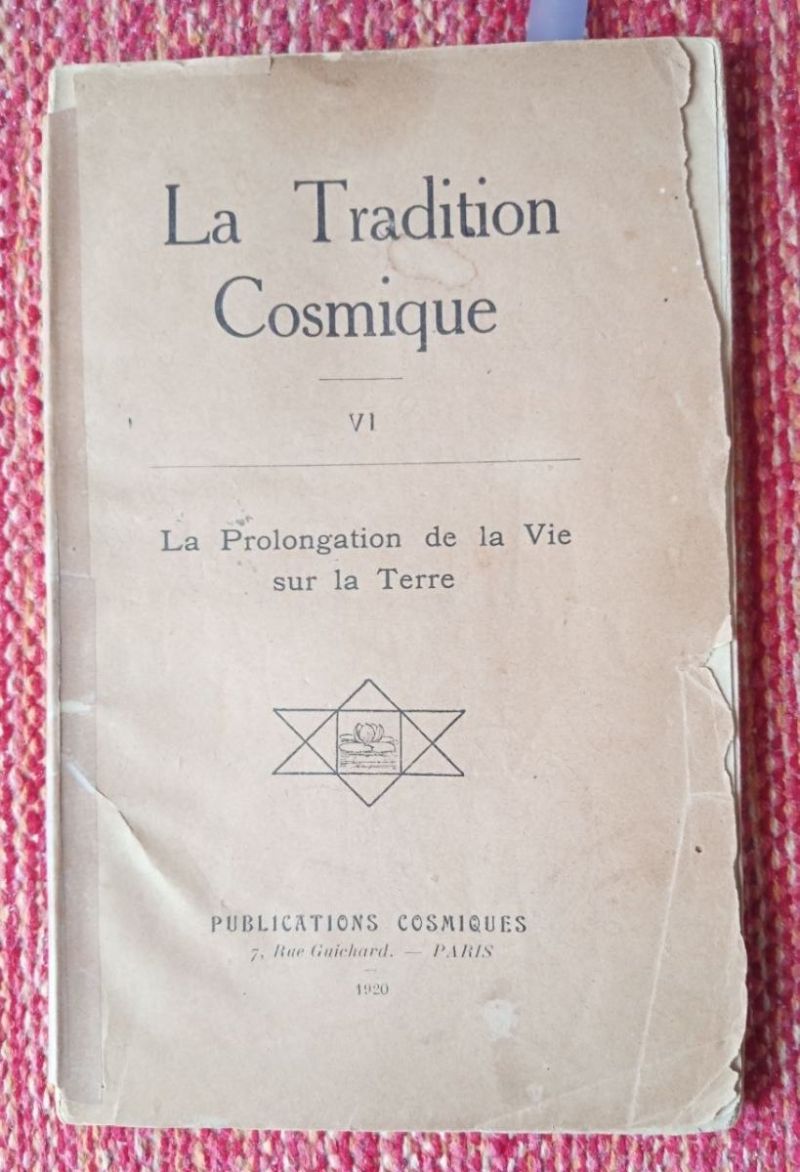
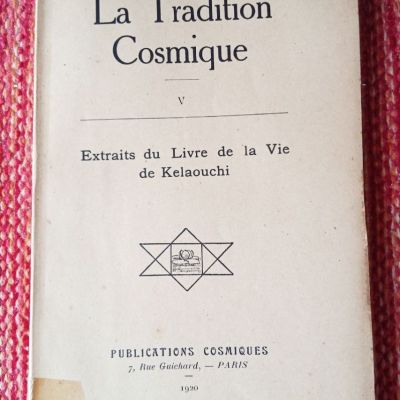
Related Articles

Leave a Reply